Pilates Private Session Pricing: 1:1 vs Duet vs Semi-Private
Price points, instructor splits, and booking rules for private, duet, and semi-private pilates sessions.
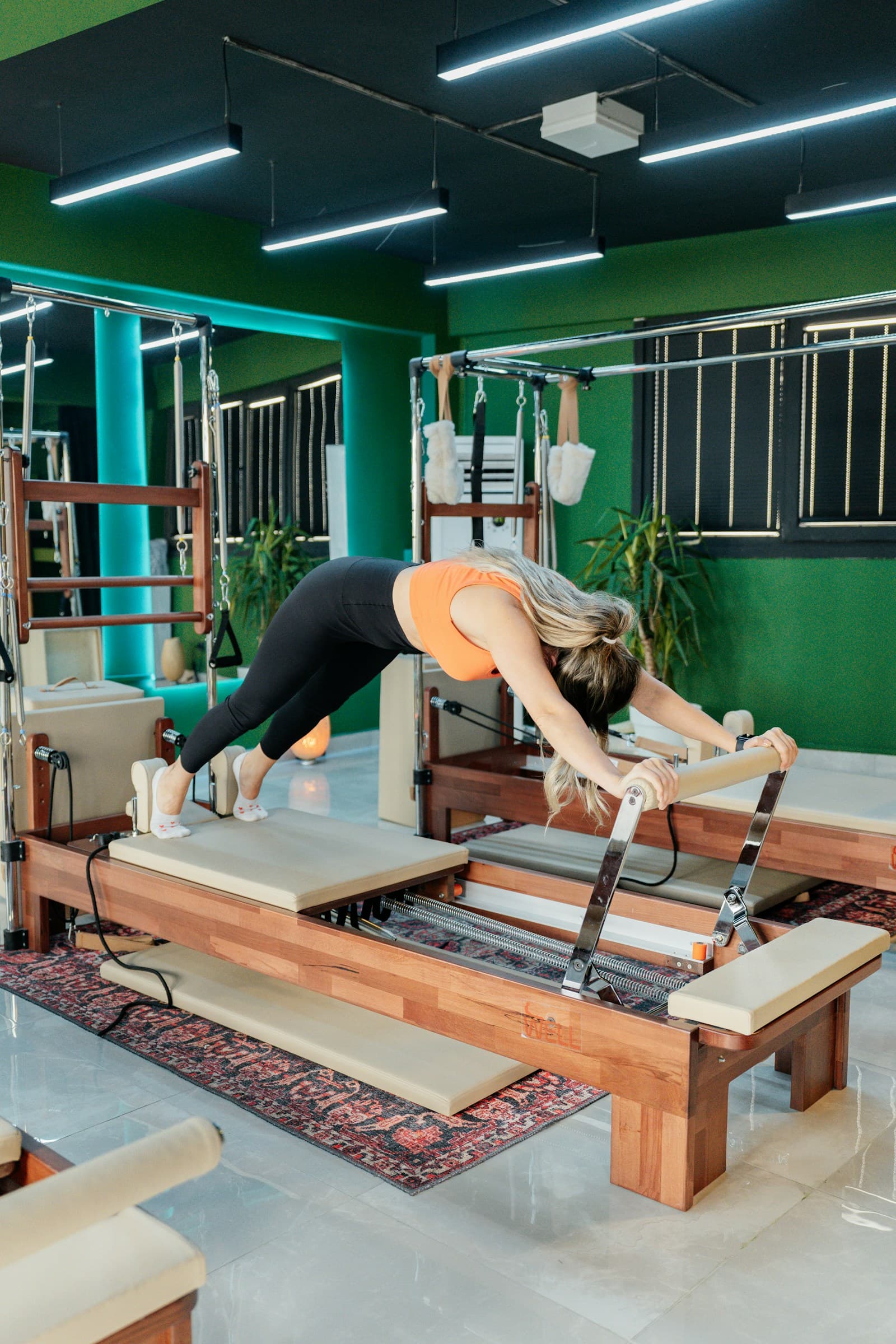
A well-priced private session program adds $3,000–$6,000 per month to a reformer studio without adding rooms or instructors — but only if the tier structure keeps private clients from cannibalizing group revenue. The key is the price gap: private sessions priced within 30% of group memberships on a per-session basis will pull members out of classes and into a format that's harder to scale.
What's the Revenue Case for Private Sessions?
Private sessions generate more revenue per room hour than group classes at typical fill rates. A group reformer class with 6 clients at $45 each earns $270/hour. A 1:1 private at $150 earns $150/hour. The math seems to favor group — but only when group classes fill above 60%.
Below 60% fill, group classes earn less than a private. And privates are reliably fillable in ways that group classes aren't: a motivated client will always show up for their dedicated instructor time. You don't need a waitlist to fill private slots.
What Are the Right Price Points for Each Tier?
The Private Session Tier Framework structures 1:1, duet, and semi-private pricing around one anchor: the 1:1 rate.
Set your 1:1 rate first, based on market comparables and your instructor cost. Everything else is priced relative to it.
The duet sweet spot is charging 65–70% of the 1:1 rate per client. This makes duets attractive to clients who want personalized attention at a slightly lower price point, while generating more revenue per session than a solo.
How Does Private Pricing Avoid Cannibalizing Group Revenue?
Cannibalization happens when private or duet sessions become cheaper — on a per-session basis — than group memberships. Clients do the math.
If a group reformer membership implies $30/class, and a duet costs $60/client per session (2x, not 4–5x), the duet is a clear value winner. Clients on memberships will shift. Group classes thin out. Your economics erode.
Protect the gap with three rules:
- Private rates should be at least 3x the effective per-class membership rate. If your unlimited membership implies $28/class, privates must be $84+/client minimum.
- Never package privates at group-class equivalence. A "private session pack" priced at $250 for 5 sessions ($50/session) in a studio where group is $35/drop-in is too close. Minimum 2.5x premium over group.
- Market privates as a different product, not a better version of group. Privates are for technique refinement, injury modification, and programming for specific goals — not just smaller group classes.
For the full group pricing framework, see our profitable pilates studio playbook and pilates class pack pricing guide.
What's the Right Booking Window and Cancellation Policy for Privates?
Private sessions need tighter policies than group classes because no-shows have a larger revenue impact. A 1:1 no-show is 100% lost revenue — there's no one else in the class to soften the blow.
Recommended private session policy:
- 48-hour cancellation window (vs 12–24 hours for group)
- Full session fee charged on late cancel or no-show (not a credit — a charge)
- Prepayment required to hold the booking
Clients who resist prepayment rarely become regular private clients anyway. Consistent enforcement trains the behavior you need.
How Should Instructor Pay Work for Private Sessions?
Private sessions command higher instructor splits than group. The instructor is selling their expertise and availability as a dedicated resource — the pay should reflect that.
The standard range is 40–50% for privates, vs 25–35% for group classes. At $150/session and 45% split, the instructor earns $67.50. The studio keeps $82.50 before room and overhead.
The risk of high private splits is that instructors build personal client bases they can take if they leave. Two protections:
- Book privates through the studio system, never via instructor-client direct payment. Clients pay the studio; the studio pays the instructor. The relationship is with the studio.
- Non-solicitation clause in instructor agreements. Private clients should not be contactable by former instructors for 12–18 months post-departure. Enforce it.
For the full pay structure analysis, read our pilates instructor pay guide.
How Do You Package Private Sessions for Maximum Conversion?
Private session packages should push clients toward commitment without making the entry barrier too high.
The structure that converts best:
- Trial single session at 10–15% discount (one-time only, framed as a trial)
- 5-session pack at 10–12% off single rate — the entry commitment package
- 10-session pack at 15% off — for established private clients
Do not offer a 3-session pack for privates. Three sessions isn't long enough to establish technique improvement the client can notice, and they'll churn before experiencing the product value.
Auto-reminder when pack has 2 sessions remaining: "You have 2 sessions left — ready to renew your pack?" Clients who run out without a renewal prompt have a 55% probability of not renewing (Zatrovo benchmark, 2026).
What Metrics Should You Track for Private Sessions?
Three numbers, reviewed monthly:
Private session fill rate. Available private slots vs sessions completed. Below 60% means you have more private availability than demand. Don't hire a third private instructor until you're above 75% fill.
Private-to-group revenue ratio. Private revenue as a share of total studio revenue. Target 20–30%. Above 35% means your group program may be underperforming.
Private client retention rate. Clients who complete a 5-pack and re-purchase within 60 days. Target 55%+. Below 40% suggests the private experience isn't delivering perceived value.
Run your studio on Zatrovo
Manage private sessions, group classes, packs, and instructor pay on one platform.

We write playbooks for studio operators — based on data from thousands of studios running on Zatrovo across pilates, yoga, lash, nail, massage, salon, dance, and fitness.
Related reading
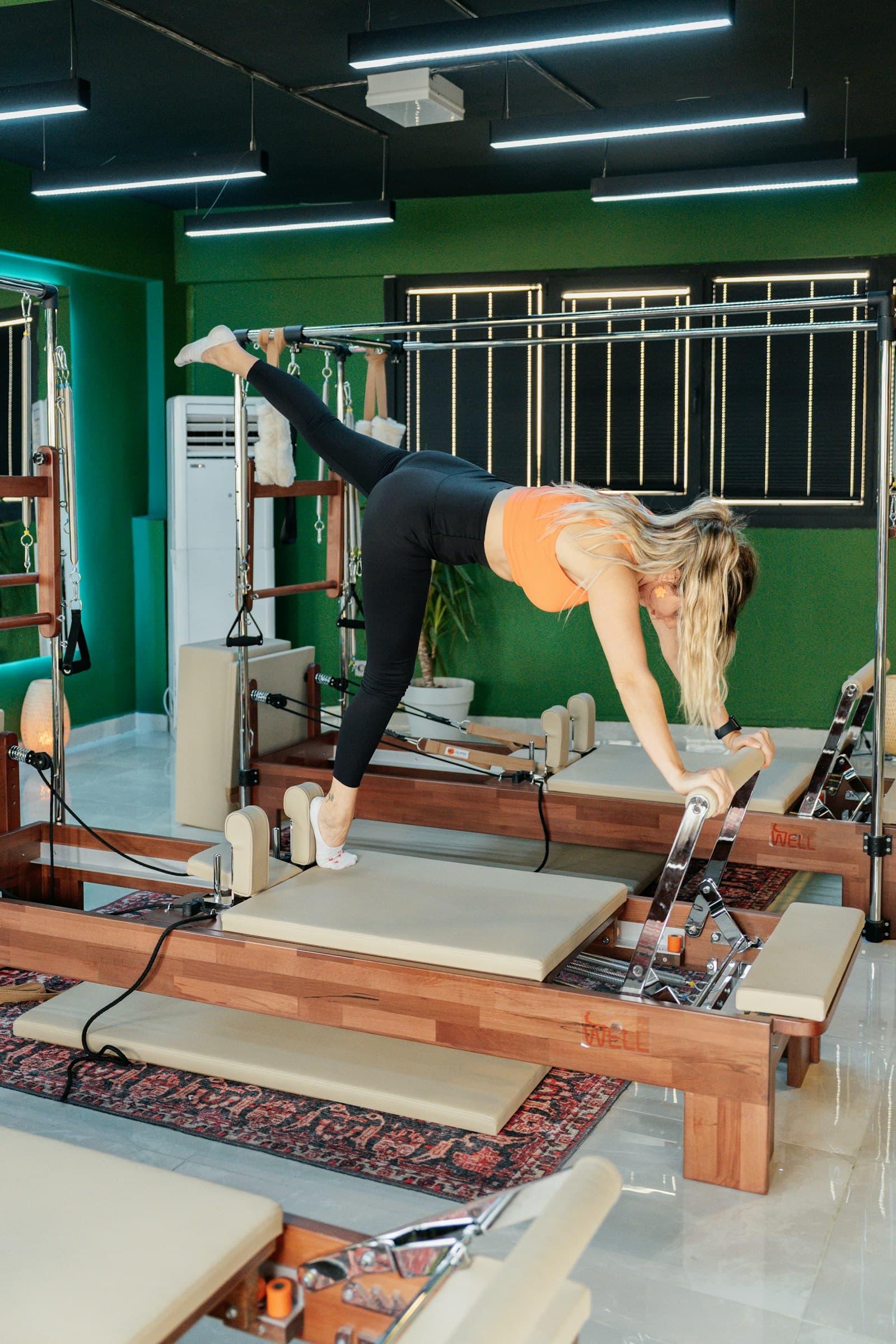
Pilates Class Pack Pricing: Real Benchmarks from 300+ Studios
What pilates studios charge for 5, 10, and 20-class packs in 2026 — with margin math that works.
Kids Pilates Program Design and Pricing: The Format That Parents Buy in 12-Week Blocks
Kids pilates program design and pricing — age-tier class structure, 12-week block pricing, parent communication, and the retention rate that beats adult classes.
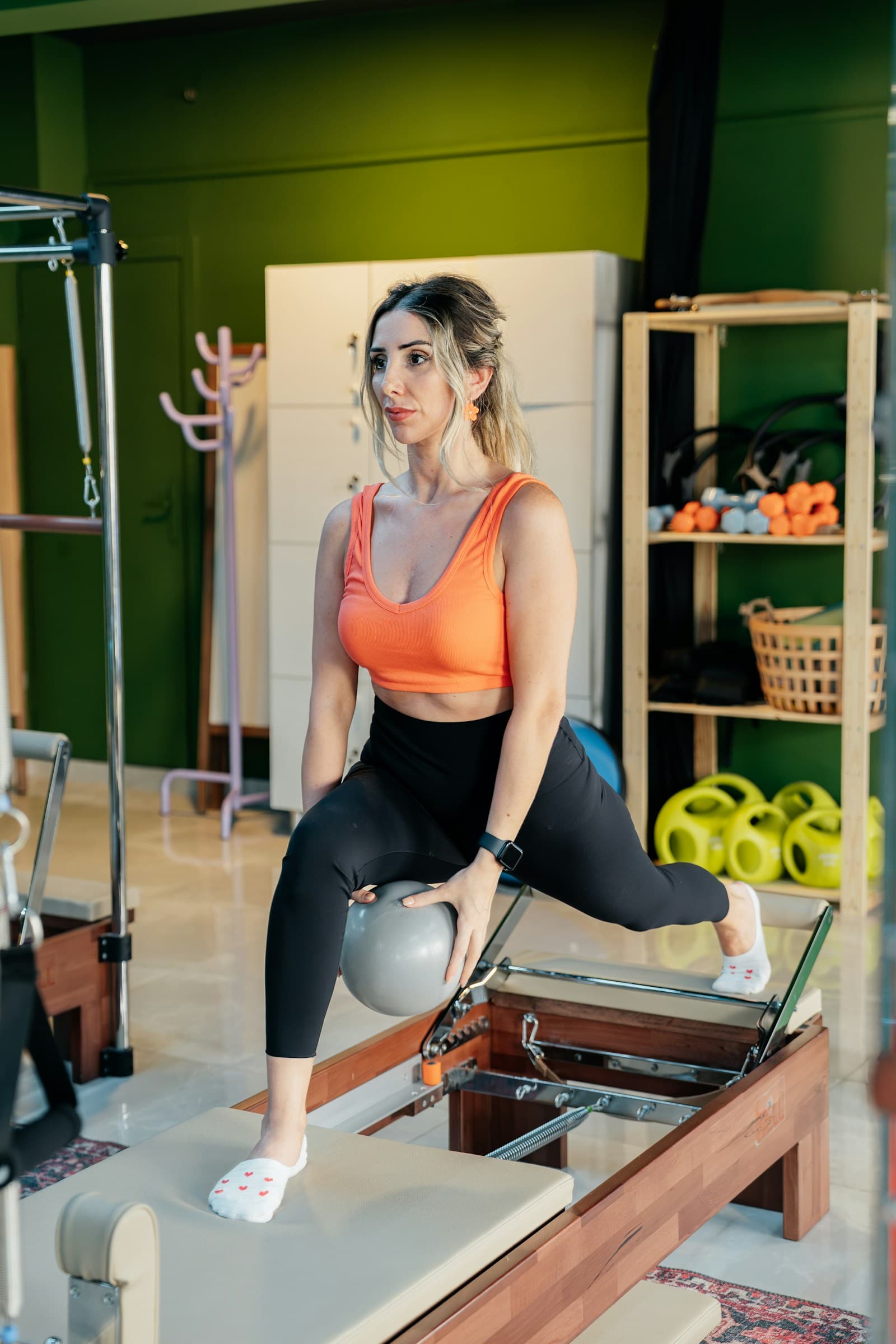
Pilates Membership Pricing Models Compared
Unlimited vs capped vs tiered — the pilates membership model that retains, with pricing math.