Hiring Pilates Instructors Without Poaching or Wasted Training
Where to source, how to screen, and the non-compete playbook that keeps pilates instructors from walking.
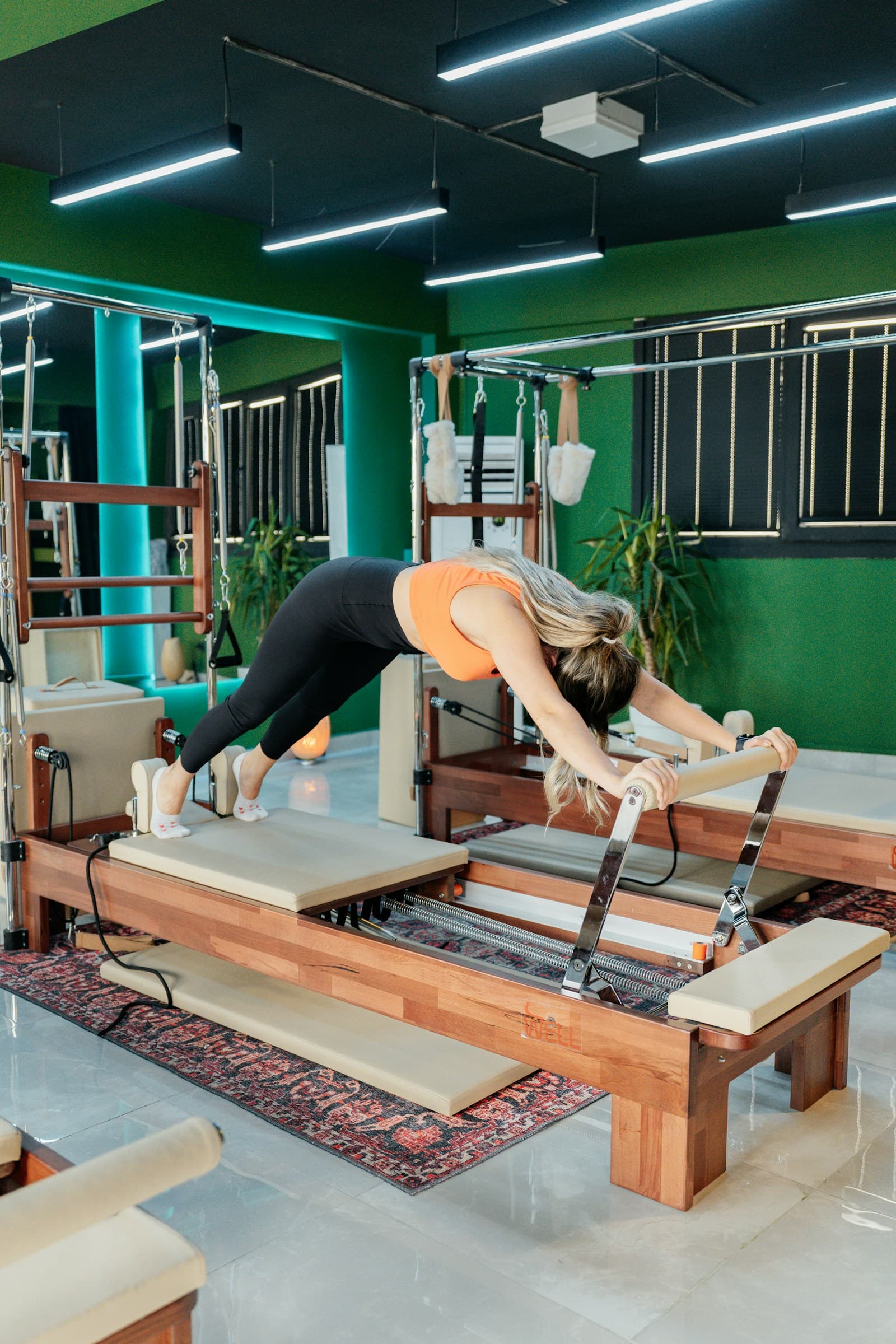
Pilates instructor hiring fails in one of two ways: hiring fast from a shallow pool and training someone who leaves within six months, or over-filtering on credentials and missing the instructor who actually builds client loyalty. The fix is a structured audition protocol and a contract with the right protections — not a better job posting.
Where Do You Find Qualified Pilates Instructors?
The supply of comprehensively certified pilates instructors is genuinely limited. Comprehensive certification (mat plus apparatus, 450–600+ hours) takes 12–18 months and costs $4,000–$10,000. That filters the pool significantly.
Your best sources, ranked by quality of fit:
Teacher training program job boards. BASI, Balanced Body, Stott/Merrithew, and POLESTAR all maintain job boards for graduates. Post there specifically. These candidates are credentialed and actively looking.
Your current instructors. The best referral source you have. An instructor who refers someone they'd actually work with self-selects for fit. Offer a $300 referral bonus payable at 90 days of employment.
Local pilates teacher Facebook groups. Active in most metro areas. Post a specific, honest listing: format, pay range, required certifications, schedule expectations.
Recent graduates. Contact local certification programs directly. Ask if any recent graduates are seeking studio employment. New graduates are trainable, enthusiastic, and appropriately priced — they need mentorship and clear systems.
What Does a Reliable Pilates Instructor Audition Look Like?
The 3-Stage Pilates Audition Protocol filters for the qualities that predict both technical performance and client retention.
Stage 1: Documentation review (before you meet). Request their certification documentation (mat and apparatus), proof of liability insurance, and a brief video of them teaching one reformer exercise — any exercise, their choice. This filters out non-starters without scheduling time.
Stage 2: Teaching audition (45 minutes). The candidate teaches a 30-minute reformer session to you and ideally one other person (a current client volunteer, not another instructor). You observe:
- Cuing clarity: do clients understand what to do without demonstration?
- Eye contact and room awareness: are they watching the client or staring at equipment?
- Safety awareness: do they spot, adjust, and verbally correct technique?
- Presence: does the energy in the room stay engaged?
Score these four dimensions on a 1–5 scale. Document it. Candidates who score below 3 in any category rarely improve with training.
Stage 3: Operational interview (20 minutes). After a strong audition, the interview focuses on fit, not credentials. Cover: availability and schedule flexibility, experience with different populations (prenatal, seniors, rehab), how they handle a client complaint, and why they're leaving or left their last studio.
What Questions Reveal the Most in the Interview Stage?
Three questions that surface red flags quickly:
"Walk me through what happened the last time a client gave you negative feedback." An instructor who deflects blame or can't recall an instance either hasn't received feedback or hasn't processed it. You want someone who describes the situation specifically, explains what they changed, and doesn't minimize the client's concern.
"What's your policy on client contact outside of class?" You want a clear boundary — they'll answer questions about soreness by text, but won't provide programming or personal training outside of scheduled sessions. Instructors without boundaries create client-relationship complications when they leave.
"What does your ideal weekly schedule look like?" Get specific. If they say "totally flexible" and you need a Tuesday 7am and Thursday 6pm, confirm those slots explicitly. Vague schedule flexibility turns into specific availability conflicts three weeks in.
How Do You Write a Non-Compete That's Actually Enforceable?
The most important thing: get advice from a local employment attorney before using any non-compete. State law varies significantly, and an unenforceable non-compete gives you false confidence.
What tends to hold up (subject to state law):
- Client non-solicitation clause. Prevents the instructor from actively contacting your clients after departure to offer competing services. Enforceable in most states. More valuable than a geographic restriction.
- Narrow geographic restriction. 3–5 mile radius, 6–12 months after voluntary resignation. Not involuntary termination — courts are skeptical of non-competes triggered by firings.
- Specific to client-facing roles. A non-compete covering someone who never interacted with clients is generally not defensible.
What doesn't hold up:
- Multi-year restrictions
- Restrictions covering employment at any studio anywhere
- Restrictions triggered by layoffs or performance-based termination
The practical protection that matters most is not the non-compete — it's the instructor contract that covers ownership of scheduling data, client records, and intellectual property (class formats, workshop materials). Those provisions are broadly enforceable and protect the assets that actually matter.
What Pay Structure Retains Pilates Instructors?
Market pay with a growth path retains better than above-market pay with no ceiling.
Entry-level instructors (1–3 years, group classes): $35–$50/class flat rate or $25–$30/hour Mid-level instructors (3–7 years, group + privates): $45–$65/class, $40–$55/private Senior instructors (7+ years, full client book): $55–$75/class or percentage-based (25–35% group, 40–50% private)
The growth path matters. Instructors who can see how their pay changes as they develop client books and fill classes have a financial reason to stay. Instructors on a flat rate with no ceiling have a financial reason to leave for a studio that pays more the minute they're worth more.
For the full pay structure breakdown, see the pilates instructor pay guide and how it fits into the overall pilates studio operations model.
What Onboarding Reduces New Instructor Turnover?
The first 90 days determine whether a new instructor stays 18 months or leaves at month four.
Week 1: Shadow two or three sessions with your most experienced instructor. No solo teaching yet. Observe your standard class format, client interactions, and administrative processes (how booking works, how no-shows are handled).
Weeks 2–4: Team-teach two or three classes per week with your senior instructor observing. Get feedback after every session. This isn't evaluation — it's calibration to your studio's style and client expectations.
Month 2: Solo teaching in their assigned recurring slots. Bi-weekly check-in with you or the studio manager — 15 minutes, focused on what's working and what they're uncertain about.
Month 3: A formal 90-day review covering client feedback, attendance trends in their classes, and their pay trajectory based on performance.
Studios that run this structure see 40% lower first-year turnover than studios that put new instructors on the schedule immediately with no shadowing period.
Run your studio on Zatrovo
Manage instructor schedules, track hours, and run payroll reporting on one platform.

We write playbooks for studio operators — based on data from thousands of studios running on Zatrovo across pilates, yoga, lash, nail, massage, salon, dance, and fitness.
Related reading
Pilates Instructor Pay: Per Class, Per Head, or Revenue Share?
Three pay structures compared with real numbers, tax implications, and retention outcomes.
Reformer Pilates Pricing: Why It Costs More Than Mat
Reformer Pilates pricing explained by studio operators: why reformer costs more than mat, how wide the price gap should be, and when to raise it.
How to Run a Profitable Pilates Studio: 2026 Operator's Playbook
Real benchmarks, pricing math, retention plays, and staffing playbooks for pilates studio owners in 2026.