Pilates Studio Operations: The Daily and Weekly SOP
The open, close, and weekly cleaning SOPs that keep a pilates studio running without the owner on-site.
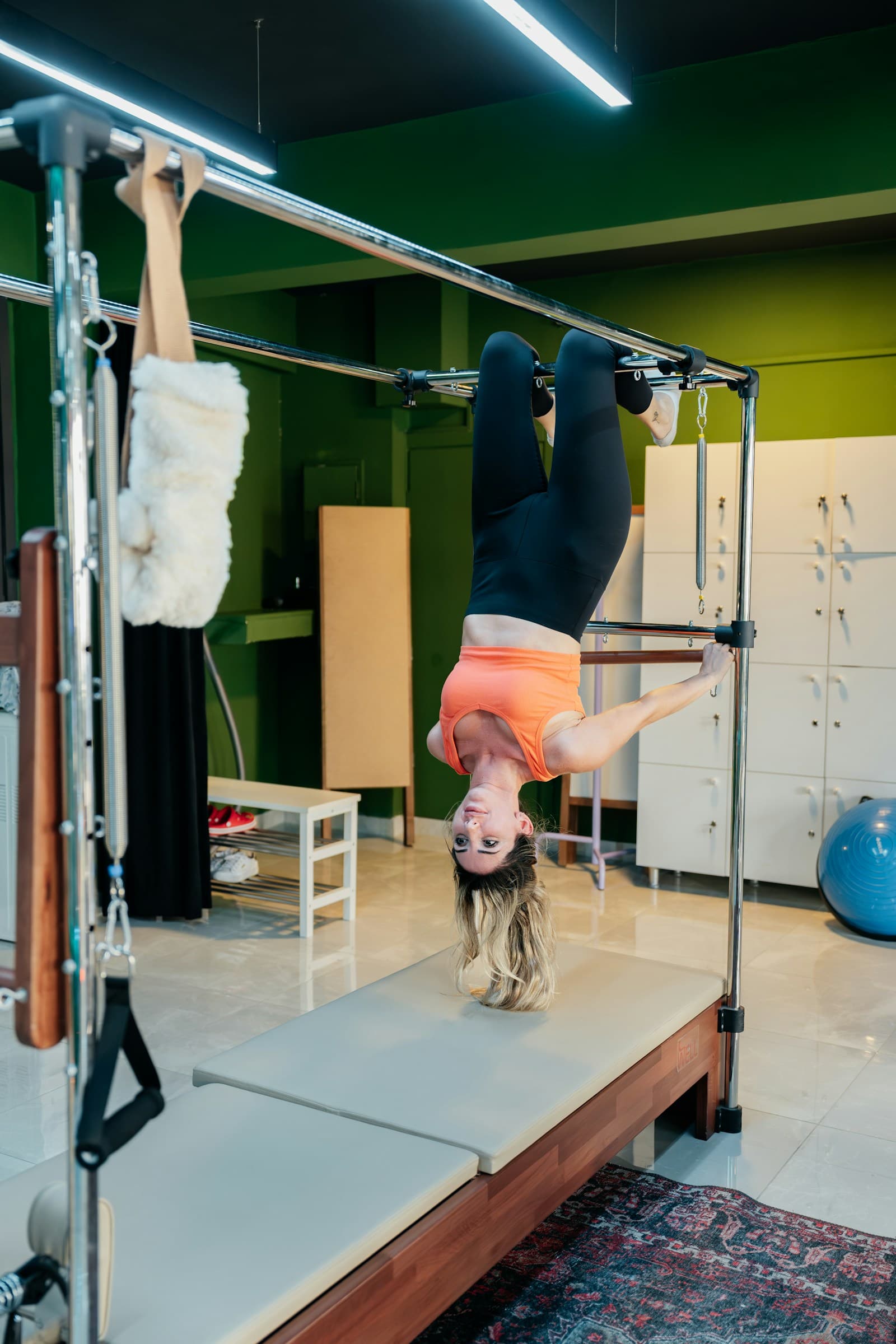
A pilates studio that runs without the owner present every day is worth owning. The studios that can't survive a single week without the owner on-site are built on tribal knowledge instead of systems. These SOPs are designed to be delegatable from day one — precise enough that any qualified staff member can execute them, and documented enough that they don't live in anyone's head.
What Should an Opening Procedure Cover?
The opening SOP has one goal: confirm the studio is safe, clean, and ready to teach before the first client arrives.
A complete opening checklist for a 6-reformer studio:
Space and climate
- [ ] HVAC set to 68–72°F, air circulation confirmed
- [ ] Lighting levels set per class type (bright for morning reformer, dimmer for restorative)
- [ ] Music system on, playlist loaded for first class
Equipment inspection
- [ ] All reformer springs visually inspected — no deformation or visible wear
- [ ] Footbars in default position, headrests flat
- [ ] Straps and handles checked for fraying
- [ ] Carriage rolls smoothly on each reformer
- [ ] Any equipment flagged from prior day addressed
Cleaning and staging
- [ ] All reformers wiped: rails, footbar, headrest, side handles
- [ ] Mats and props staged in position for first class
- [ ] Changing rooms stocked (towels, toiletries, hooks clear)
- [ ] Reception area clean, intake forms or tablets ready
Systems
- [ ] Booking system confirmed — schedule loaded, no conflicts
- [ ] First-class roster reviewed, any new-client notes flagged
- [ ] Payment terminal on and tested
How Do You Run Between-Client Turnovers Efficiently?
The between-client turnover is where studio throughput is won or lost. An 8-minute turnover that consistently works protects your schedule from compounding delays.
For a reformer studio, the 8-Minute Reset:
Minutes 1–3 (while previous client is changing or leaving)
- Instructor starts next client welcome / intake review
- Support staff wipes all contact surfaces: rails, footbar, headrests, side handles
- Replace headrest paper or wipe headrest pad
Minutes 4–6
- Return footbar to default position
- Confirm spring configuration for next client
- Stage any props for next session (box, jumpboard, balls)
- Towels and water removed, fresh towel staged if studio provides them
Minutes 7–8
- Quick visual sweep of the room: nothing left behind, equipment aligned
- Next client welcomed in if present
This sequence works consistently when it is written and trained to, not improvised each time. Turnovers that are improvised average 12–15 minutes. Turnovers with a written protocol average 7–9 minutes.
What Should the Closing Procedure Include?
The closing SOP is about leaving the studio in a state where anyone opening tomorrow can start immediately without guessing.
Equipment
- [ ] All reformers fully wiped down: carriage, rails, footbar, ropes, handles
- [ ] Springs inspected and returned to standard configuration
- [ ] Any equipment showing wear tagged for service review — do not wait
- [ ] Mats rolled and stored, props returned to storage positions
Cleaning
- [ ] All mirrors and glass cleaned
- [ ] Floors swept and mopped
- [ ] Changing rooms cleaned, trash removed, supplies restocked
- [ ] Reception desk clear, payment terminal powered down or secured
Admin
- [ ] End-of-day report pulled from booking system (attendance, revenue, no-shows)
- [ ] Any client incidents documented in incident log
- [ ] Tomorrow's schedule reviewed — flag any gaps or double-bookings
- [ ] Front desk handoff log updated with notes for opening staff
Security
- [ ] All windows and external doors confirmed locked
- [ ] HVAC set to night mode
- [ ] Lights off by zone
- [ ] Alarm set per protocol
What Does the Weekly Cleaning SOP Cover?
Weekly cleaning goes deeper than daily maintenance. It addresses the equipment and surfaces that degrade slowly and are missed in daily routines.
Equipment (weekly)
- Full reformer deep clean: under carriage, wheel tracks, frame crevices
- Inspect all spring attachments and replace any showing signs of fatigue
- Check strap buckles and carbiner attachments — replace any that don't click cleanly
- Oil wheel tracks per manufacturer recommendation
- Check footbar pivot bolts for tightening
Space (weekly)
- Baseboards and corners mopped
- Vents and filters cleaned — dust accumulation in pilates studios is high from mat work
- Light fixtures checked, bulbs replaced as needed
- Mirrors and windows cleaned from top to bottom
- Reception storage organized — consumables audited against reorder points
Admin (weekly)
- Inventory audit against par levels (cleaning supplies, consumables, retail)
- Safety log reviewed and signed off by owner or studio manager
- Equipment maintenance log updated with any service actions taken
How Do You Build SOPs That Staff Actually Follow?
The most common failure mode is SOPs that live in a binder no one reads. The SOPs that get followed have three characteristics.
They are short. A 4-page opening checklist will be abandoned within a week. An opening checklist that fits on one page with checkboxes will be used for years.
They are in the flow. If your staff has to go find the SOP binder, they won't. Build checklists into your studio software, a tablet mounted in the back room, or a laminated card at the station where the task happens.
They are reviewed, not just distributed. New staff receive a walk-through of each SOP on day one. Existing staff review any updated SOP in the next team meeting — 10 minutes, not a lecture.
See the full profitable pilates studio playbook for how SOPs connect to the broader operations and profitability picture. For automating the admin side of your pilates studio, including waitlist management and reminder sequences, see pilates waitlist automation.
How Do You Handle Instructor Handoffs Without Losing Client Notes?
Teacher handoffs are the highest-risk moment in studio operations. A client's injury modification, their spring preference, their progress goal — all of this lives in the prior instructor's memory unless you build systems to capture it.
The minimum: a client note field in your studio software that any instructor can update and read before a session. The note should contain: client's experience level, any physical restrictions or injury modifications, preferred spring configuration (if they have one), and any communication preferences (e.g., verbal cues only, no manual adjustments).
The instructor going off shift adds any relevant session notes. The instructor coming on reviews notes for their next client before they enter the room. This takes under 2 minutes per client and prevents the client from having to re-explain their history every time they see a different instructor.
For front desk training SOPs and how to onboard new staff into your operations framework, see pilates studio front desk training. Instructor pay structures that support a performance-based retention model are covered in the pilates instructor pay guide.
Run your studio on Zatrovo
Run pilates scheduling, client notes, and automated reminders from one platform.

We write playbooks for studio operators — based on data from thousands of studios running on Zatrovo across pilates, yoga, lash, nail, massage, salon, dance, and fitness.
Related reading
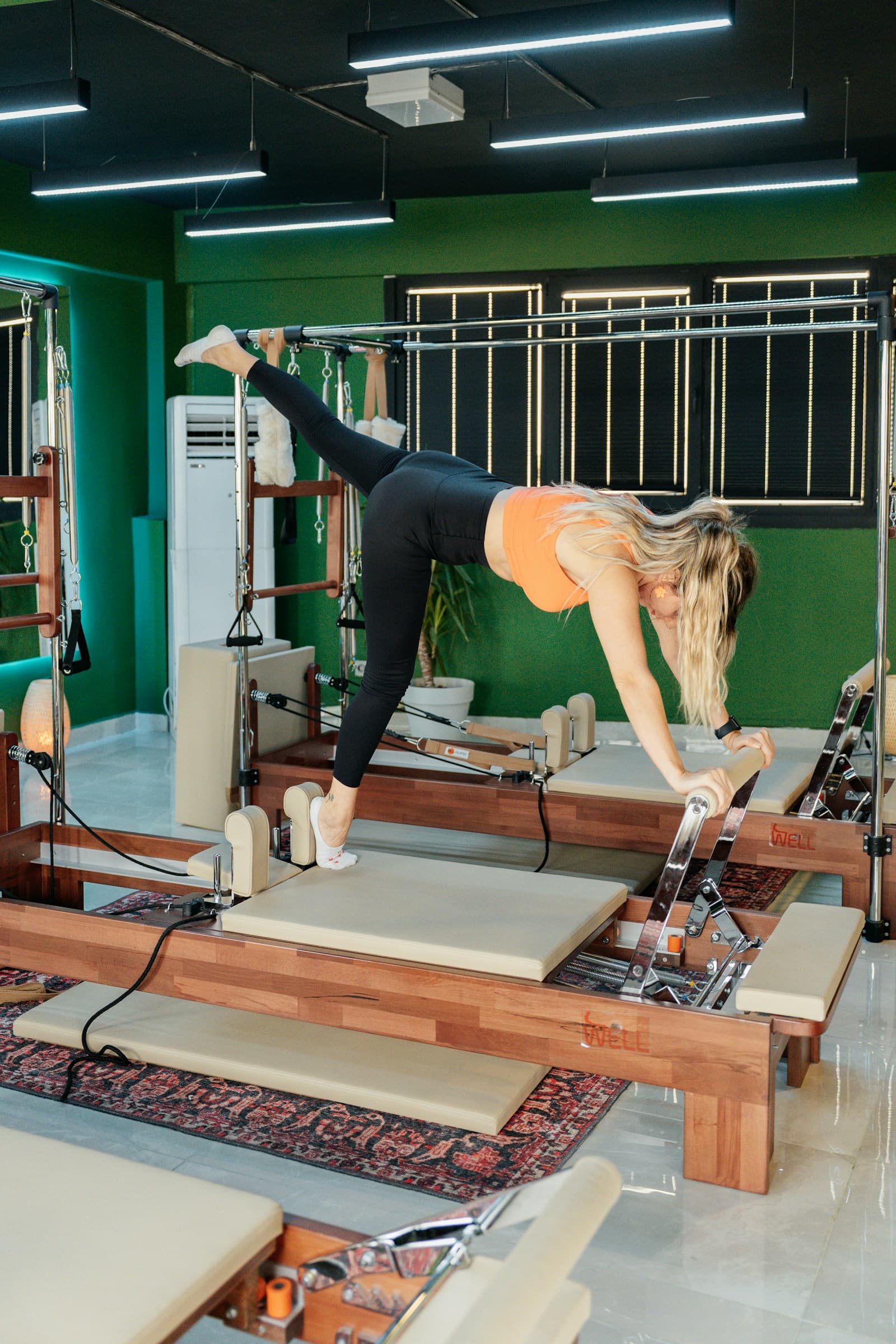
Pilates Studio Front Desk Training Playbook
Scripts, SOPs, and upsell cues that turn a pilates front desk from liability to profit center.
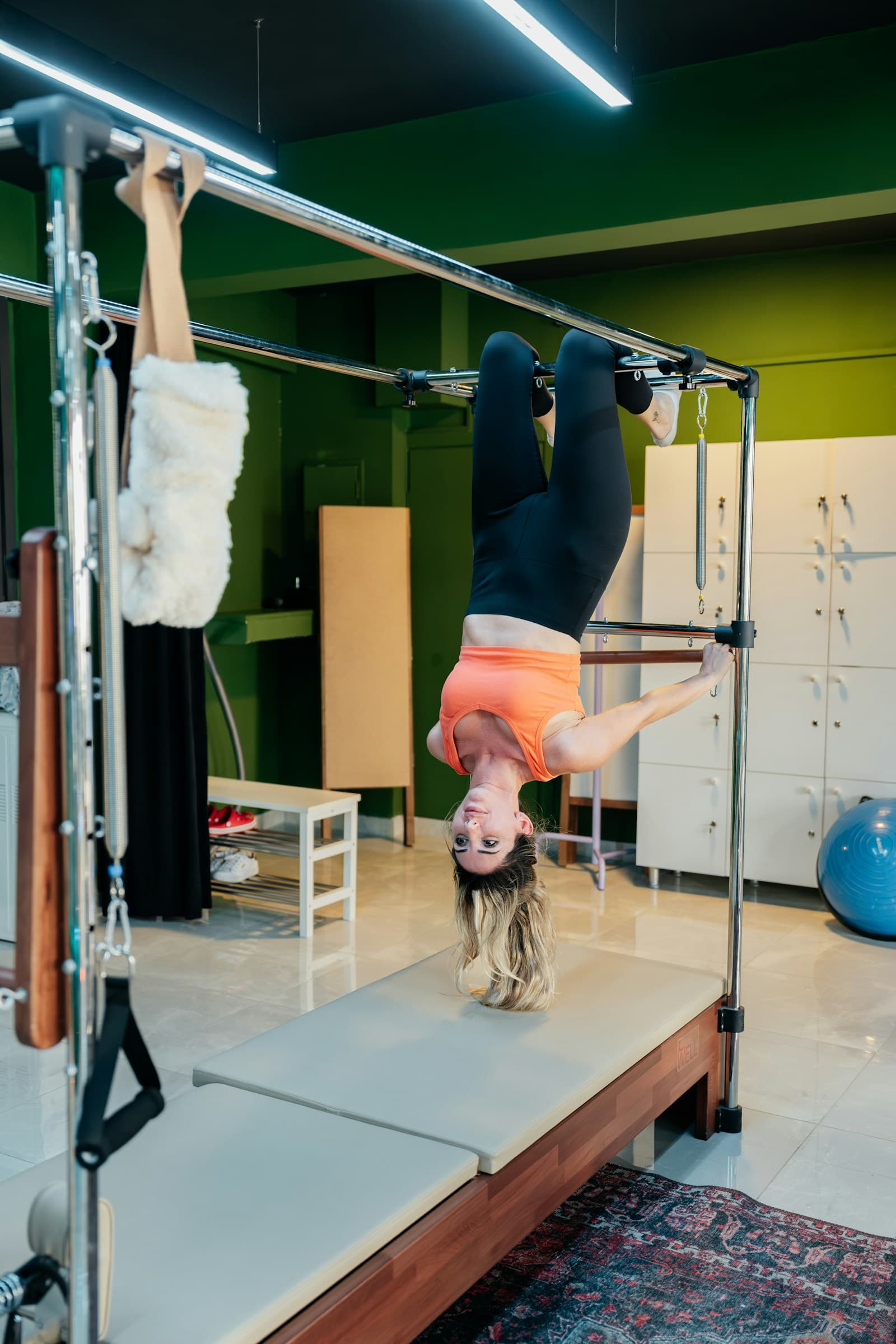
Pilates No-Show Policies That Work Without Alienating Clients
Late-cancel and no-show policies that recover revenue without driving your best clients away.
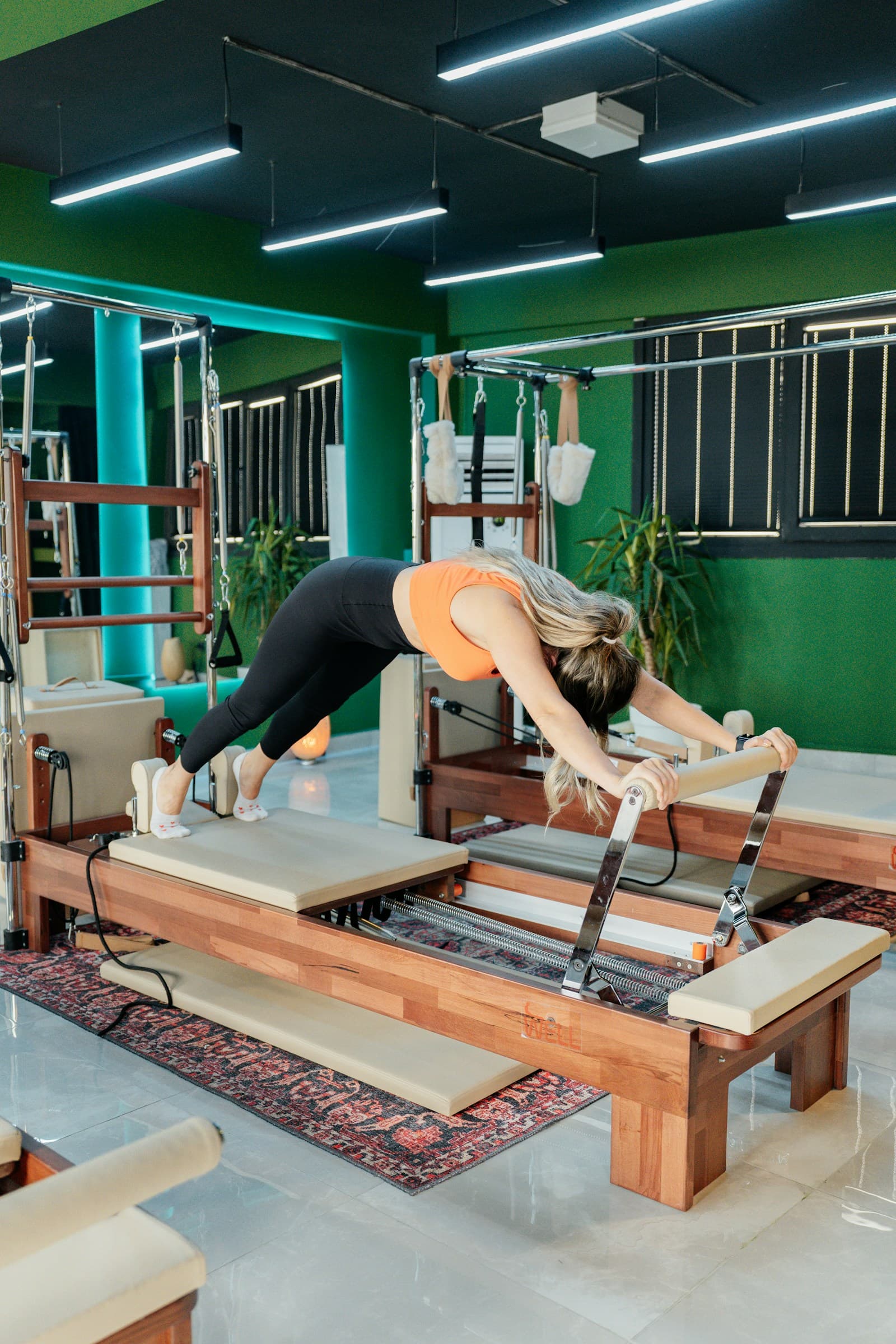
How to Run a Profitable Pilates Studio: 2026 Operator's Playbook
Real benchmarks, pricing math, retention plays, and staffing playbooks for pilates studio owners in 2026.