Pilates Waitlist Automation: Fill Every Last Seat
Auto-promote rules, cutoff timing, and penalty handling that fill waitlisted pilates seats before class starts.
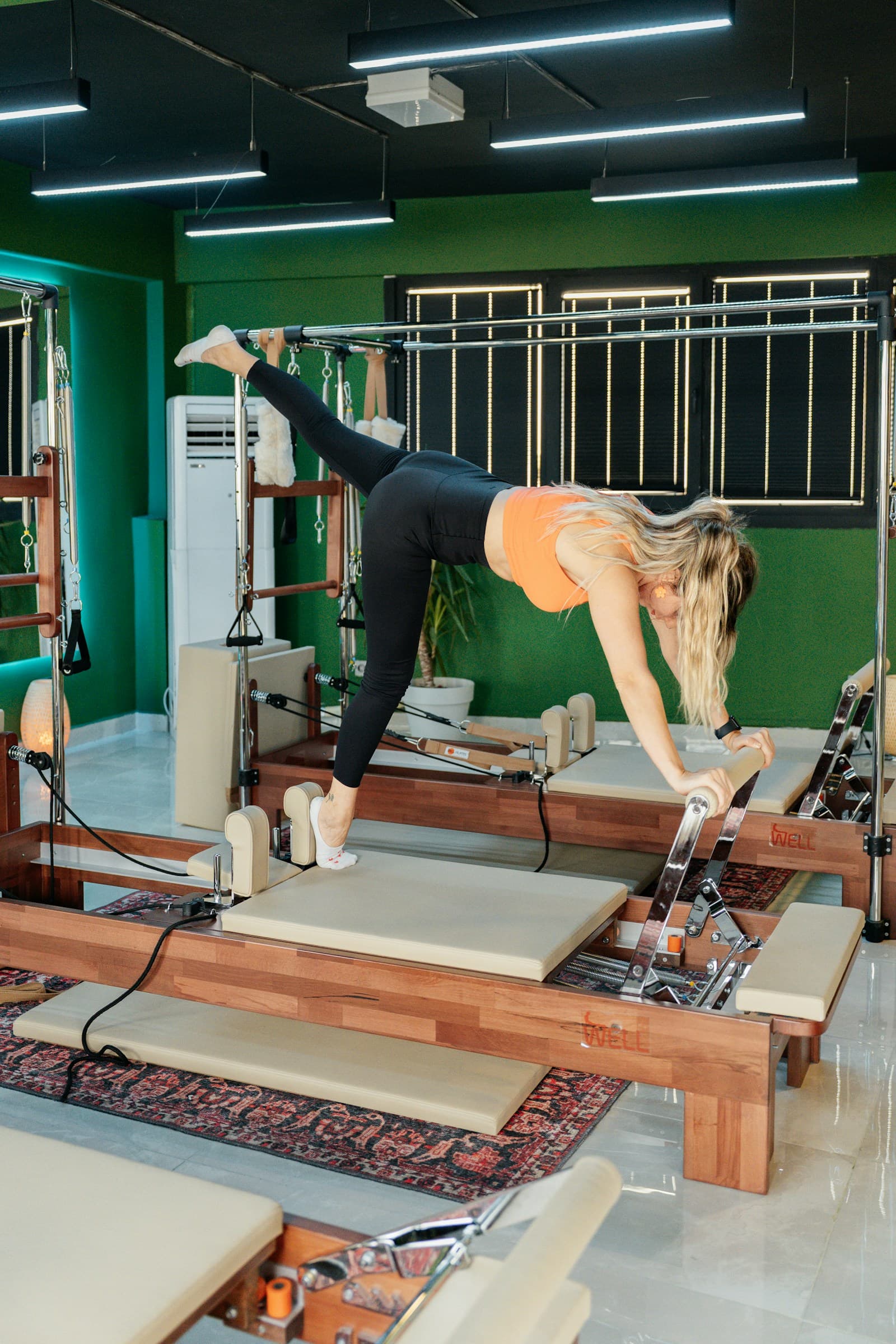
Pilates studios that automate waitlist promotion capture 3–8% more total class utilization without adding a single class to the schedule. The mechanism is simple: automated SMS promotion fires 60–90 minutes before class, the next waitlisted client accepts or declines in under 60 seconds, and the spot fills before the instructor walks in. Most studios leave this on the table entirely.
Why Does Waitlist Automation Matter for Reformer Studios?
Reformer classes are capacity-constrained and high-value. A single empty bed at $45/class in a 6-bed studio is a 17% revenue miss on that session.
The economics are unforgiving at scale. A studio running 20 reformer classes per week at 15% empty-seat rate is losing roughly $27 per class on average. Over 52 weeks, that's $28,000 in unrealized revenue — not from low demand, but from operational friction that a waitlist system eliminates.
Manual waitlist management is the failure mode most studios don't realize they have. Staff call down a list, clients don't pick up, the next person is busy, and the spot stays empty. Automation removes the human bottleneck.
What Are the Three Rules of an Effective Waitlist System?
The Three-Rule Waitlist System: promote early enough, via the right channel, with a hard response window.
Rule 1: Promote at the right time. Too early and the client has moved on. Too late and they can't make it. For reformer, the 60–90-minute window before class is the sweet spot. For mat, 30–45 minutes works. Configure this as an auto-promote rule in your booking software — not a manual process.
Rule 2: Use SMS, not email. SMS open rates for time-sensitive messages run 95%+ within 3 minutes. Email open rates for the same message run under 40% within an hour. For a 90-minute window, SMS is not optional — it's the mechanism.
Rule 3: Set a response window. Give the client 15–20 minutes to confirm before moving to the next person on the list. A window that's too long (60 minutes) means the second person gets notified too close to class time. Too short (5 minutes) generates complaints. 15 minutes balances urgency with reasonableness.
How Many People Should Be on a Reformer Waitlist?
Cap waitlists at 50–60% of class capacity.
For a 6-person reformer class, a waitlist of 3–4 is functional. A waitlist of 10 means clients at the bottom have no realistic chance of getting in and will become frustrated with the notification. Capping the waitlist manages expectations and keeps your conversion rate healthy.
For popular class times — Saturday morning, weekday evenings — you'll hit that cap. When you consistently see a waitlist at the cap for the same time slot every week, that's a demand signal to add a class. Don't cap the waitlist and leave; the demand data is telling you something worth acting on.
How Do You Handle Waitlist Penalties Without Alienating Members?
Use a tiered penalty system, not a flat fee on first offense.
The goal is behavior change, not punishment. A member who forgets to cancel their waitlist spot shouldn't receive the same consequence as a member who chronically accepts promotions and no-shows.
The key is consistency. A policy that's enforced for some clients but not others based on who complains loudest trains your entire member base to complain. Document the rules, configure them in your platform, and apply them uniformly.
Read the pilates no-show policy guide for the full cancellation and penalty framework.
What's the Difference Between Auto-Promote and Manual Waitlist Management?
Auto-promote removes the staff action entirely. Manual management requires a staff member to check the waitlist, contact clients in order, wait for responses, and update the booking record.
Manual management doesn't fail because staff don't care — it fails because the timing window is too short for a phone-call-and-wait cycle. By the time a staff member has called, left a message, waited, and tried the next person, 45 minutes have passed and the class is 15 minutes away.
How Do You Integrate Waitlist Rules With Your Pack and Membership System?
Waitlisted members who get promoted should have a credit deducted automatically, just like a regular booking.
This sounds obvious but is a common gap: some platforms process the waitlist promotion without checking credit balance or membership eligibility. A client on a 4x/month capped membership who's already attended 4 classes that month shouldn't be auto-promoted to a 5th.
Configure your booking system to:
- Check credit balance or membership allowance at promotion time, not at original waitlist join time
- Decline the promotion if no credits or capacity remain (and move to the next person)
- Deduct the credit immediately upon promotion acceptance, before the class
For a breakdown of how to structure packs and memberships for pilates, see the profitable pilates studio playbook.
What Does a Well-Configured Waitlist System Look Like in Practice?
Walk through a typical Tuesday 7pm reformer class with 6 beds:
- Monday at 7am: class books out, waitlist enabled automatically
- Tuesday 5:30pm: 90-minute auto-promote window opens, one client cancels
- 5:30pm: SMS fires to waitlisted client #1 — "A spot just opened in Tuesday 7pm Reformer. Confirm in 15 min: [link]"
- 5:43pm: Client #1 confirms, credit deducted, booking confirmed, calendar updated
- 5:30pm–5:45pm: No staff action required
- Class runs at 100% capacity
That scenario runs itself. The one-time setup — configure auto-promote timing, enable SMS, set response window — takes 20 minutes. It then runs every class, every week, without review.
For pilates-specific software features to look for, read pilates booking software features.
Run your studio on Zatrovo
Automated waitlists, SMS promotion, and credit deduction — all built into Zatrovo's scheduling platform.

We write playbooks for studio operators — based on data from thousands of studios running on Zatrovo across pilates, yoga, lash, nail, massage, salon, dance, and fitness.
Related reading

Class Waitlist Automation: Filling Every Canceled Spot in Minutes
Class waitlist automation fills canceled spots in minutes: offer ladders, timing thresholds, SMS rules and the metrics that prove it is working.
How to Reduce No-Shows at a Fitness Studio Without Annoying Members
How to reduce no-shows at a fitness studio with reminder ladders, fair cancel windows, and waitlists that fill seats without annoying your members.
How to Run a Profitable Pilates Studio: 2026 Operator's Playbook
Real benchmarks, pricing math, retention plays, and staffing playbooks for pilates studio owners in 2026.