Postnatal Pilates Program Design: The Safe Return-to-Movement Protocol That Fills Classes
A postnatal pilates program design — safe return-to-movement protocols, OB clearance policies, pricing structures, and the marketing that fills 8-person classes.

Postnatal clients are among the most underserved and most loyal segments in pilates. A 12-week return-to-movement program for new mothers — designed with correct clearance protocols, a diastasis-safe exercise progression, and an 8-person class maximum — fills through word-of-mouth within 90 days of launch and retains clients through pregnancy cycles. Here's the program design.
Why Postnatal Is One of the Best Specialty Niches in Pilates
The economics of specialty programming are better than generalist programming for two reasons: clients have a specific, urgent need that motivates consistent attendance, and the word-of-mouth network in new parent communities is extremely dense.
A new mother who finds a pilates program that makes her feel safe, seen, and physically capable doesn't just stay — she tells everyone in her mother's group, her postnatal care community, and her OB's patient base. Postnatal programs grow primarily through referral once they're established.
What Are the OB Clearance Requirements?
This is non-negotiable. Every postnatal client must provide written medical clearance before attending class. No exceptions. No instructor judgment calls about whether someone "looks fine."
The clearance requirement serves three purposes: it ensures the client's healthcare provider has assessed their specific healing status, it creates a documented record of informed consent that limits your liability, and it positions your studio as a professional medical-adjacent service that healthcare providers can confidently refer to.
Your clearance protocol:
- Client inquires about the postnatal program
- You send them your intake form and postnatal program overview
- The intake form explains the OB clearance requirement with a downloadable "clearance request" card they can bring to their provider
- Client returns a signed clearance note (photo of note accepted) before booking their first class
- Clearance note stored in their client file with expiry date tracking
Keep your clearance cards branded with your studio name. Providers who receive your clearance cards recognize your studio and begin thinking of you as the "safe" place to refer their postnatal patients.
What Does the 12-Week Return-to-Movement Protocol Look Like?
The Postnatal Pilates 12-Week Protocol is structured in three phases that reflect the physiological recovery timeline:
Phase 1 (Weeks 1–4): Foundation and breath.
- Diaphragmatic breathing and pelvic floor activation
- Gentle spinal mobility (cat-cow, pelvic tilts)
- Body-weight squats and hinges (light loading)
- No planks, no rotational loading, no forward flexion
- Class length: 40 minutes maximum
Phase 2 (Weeks 5–8): Progressive loading.
- Introduce prone exercises with careful core monitoring (linea alba assessment recommended in week 4)
- Side-lying leg series (hip stability)
- Modified reformer springs if applicable (lowest spring tension)
- Begin introducing controlled plank with belly breathing test
- Class length: 45 minutes
Phase 3 (Weeks 9–12): Return to function.
- Standard reformer exercises with modifications where diastasis remains (common)
- Introduce rotation with control
- Begin bridging and glute loading
- Progress plank to forearm plank and bear holds
- Class length: 45–50 minutes
For a full breakdown of reformer class progressions and pricing at standard pilates studios, see our profitable pilates studio playbook.
What Instructor Qualifications Are Non-Negotiable?
Postnatal pilates instruction requires specific training beyond standard pilates certification.
Required qualifications:
- Full comprehensive pilates certification (mat and apparatus)
- Additional specialization in pre/postnatal exercise or pelvic floor-informed movement (STOTT, Balance Body, PHAfit, or equivalent)
- Working knowledge of diastasis recti assessment (not clinical diagnosis — assessment for exercise modification)
- Current CPR/First Aid certification
Strongly recommended:
- Relationship with a pelvic floor physical therapist who can receive referrals when clients have symptoms (leaking, prolapse symptoms, pelvic pain)
- Annual refresher training in postnatal exercise guidelines
Do not assign a generalist instructor to postnatal classes without specific postnatal training. The liability and the ethical risk are both significant.
What Pricing Structure Works for Postnatal Programs?
Block pricing is dramatically better for postnatal classes than drop-in or month-to-month:
12-week block (24 classes, 2×/week): $720–$840 (equivalent to $30–$35/class for a specialized program). Compared to your standard group class at $25–$40, this represents fair value for the specialty instruction and small class size.
Block with baby: add $10–$15/class premium if your studio allows infants (under 4 months in appropriate carriers or pram-accessible rooms). Many postnatal clients cannot find child-free time — a baby-friendly class is a meaningful differentiator.
Alumni rate: after completing the 12-week program, offer a transition into your standard programming with a 30-day discounted alumni rate to convert postnatal clients into permanent members.
For pilates pack and membership pricing benchmarks, see our pilates class pack pricing guide.
How Do You Fill Your Postnatal Classes Through Healthcare Referrals?
Healthcare provider referrals are the highest-quality and lowest-CAC channel for postnatal programming.
Outreach approach:
Visit the three or four OB/GYN practices and midwifery groups nearest to your studio. Bring: a one-page overview of your postnatal program (safety protocols, instructor qualifications, clearance requirements), a stack of clearance cards with your studio's contact information, and your instructor's postnatal certifications (briefly mentioned, not handed out).
The pitch to the provider or office manager: "We run a 12-week postnatal return-to-movement program with instructor-certified in postnatal exercise. We require OB clearance before participation and follow conservative progression guidelines. Many of your postpartum patients ask about safe exercise options — we'd love to be a resource you can refer them to."
Providers who understand your safety protocols refer confidently. Providers who don't know your program don't refer at all.
For the postnatal fitness training context that shares community marketing best practices, see our postnatal fitness training guide.
Run your studio on Zatrovo
Manage postnatal program enrollment, block pricing, and OB clearance tracking in one platform built for pilates studios.

We write playbooks for studio operators — based on data from thousands of studios running on Zatrovo across pilates, yoga, lash, nail, massage, salon, dance, and fitness.
Related reading
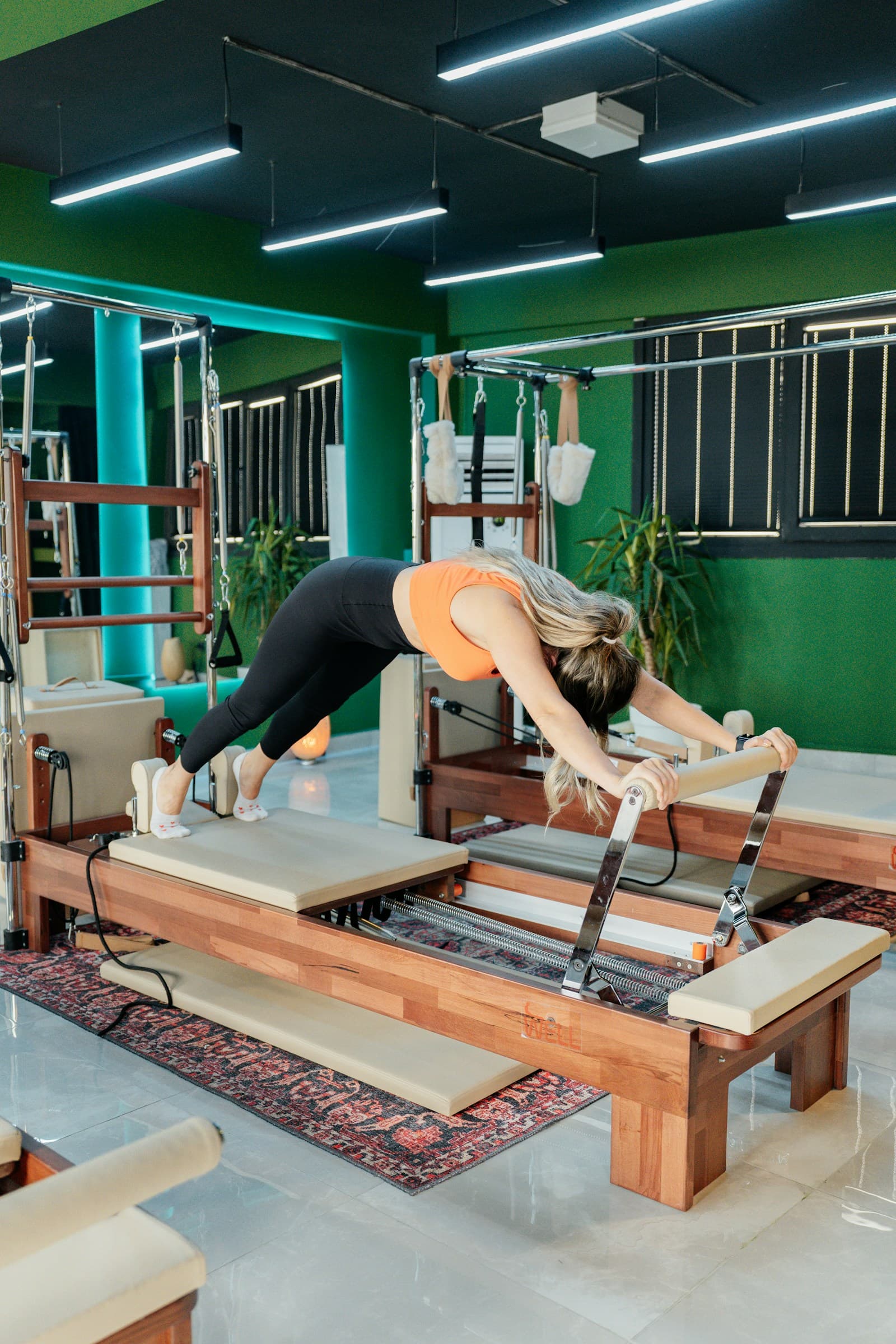
How to Run a Profitable Pilates Studio: 2026 Operator's Playbook
Real benchmarks, pricing math, retention plays, and staffing playbooks for pilates studio owners in 2026.
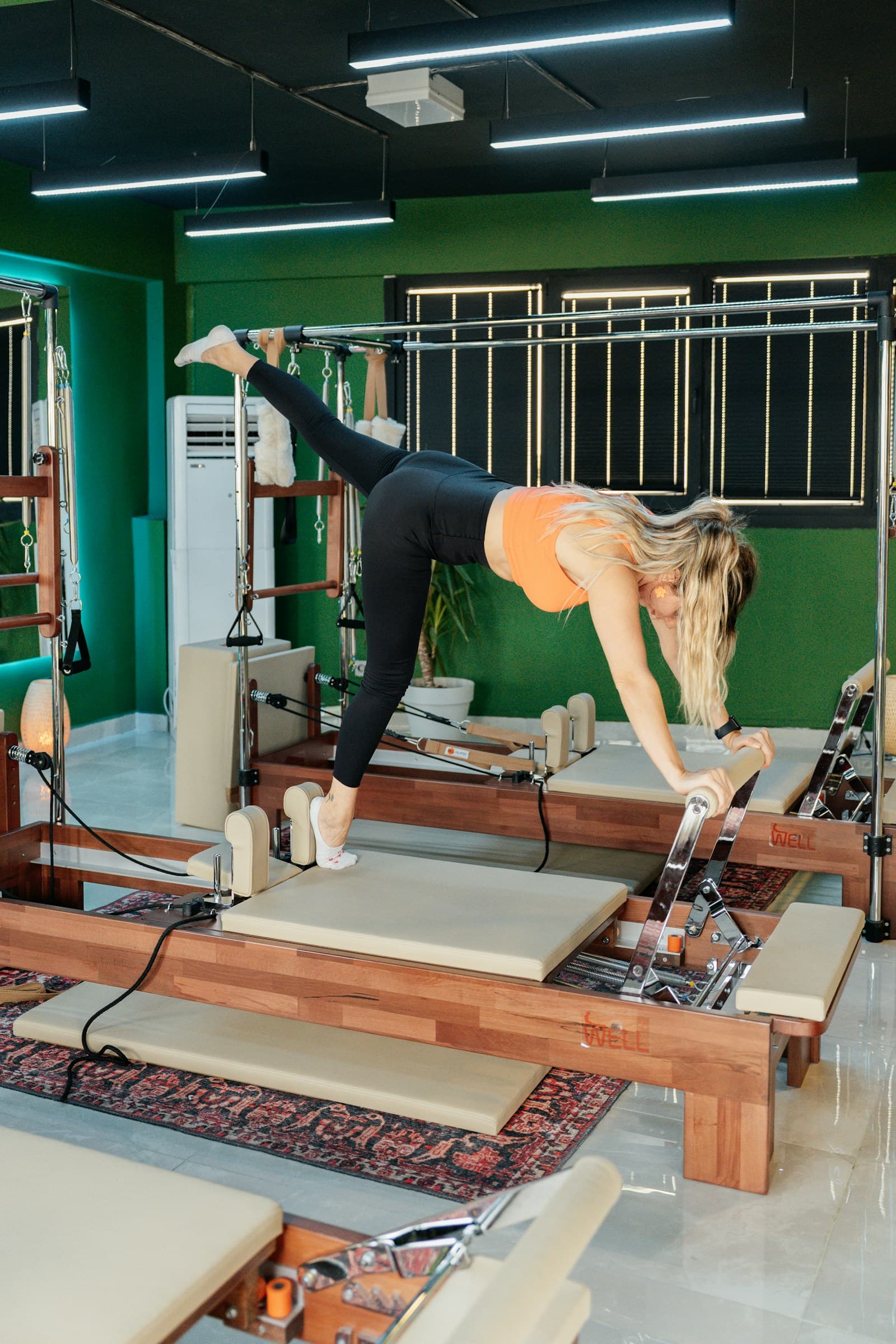
Pilates Studio Software Hub: Reviews and Comparisons for Studio Owners
Every pilates studio software guide in one place — booking platform reviews, feature comparisons, and the decision framework for choosing the right system.
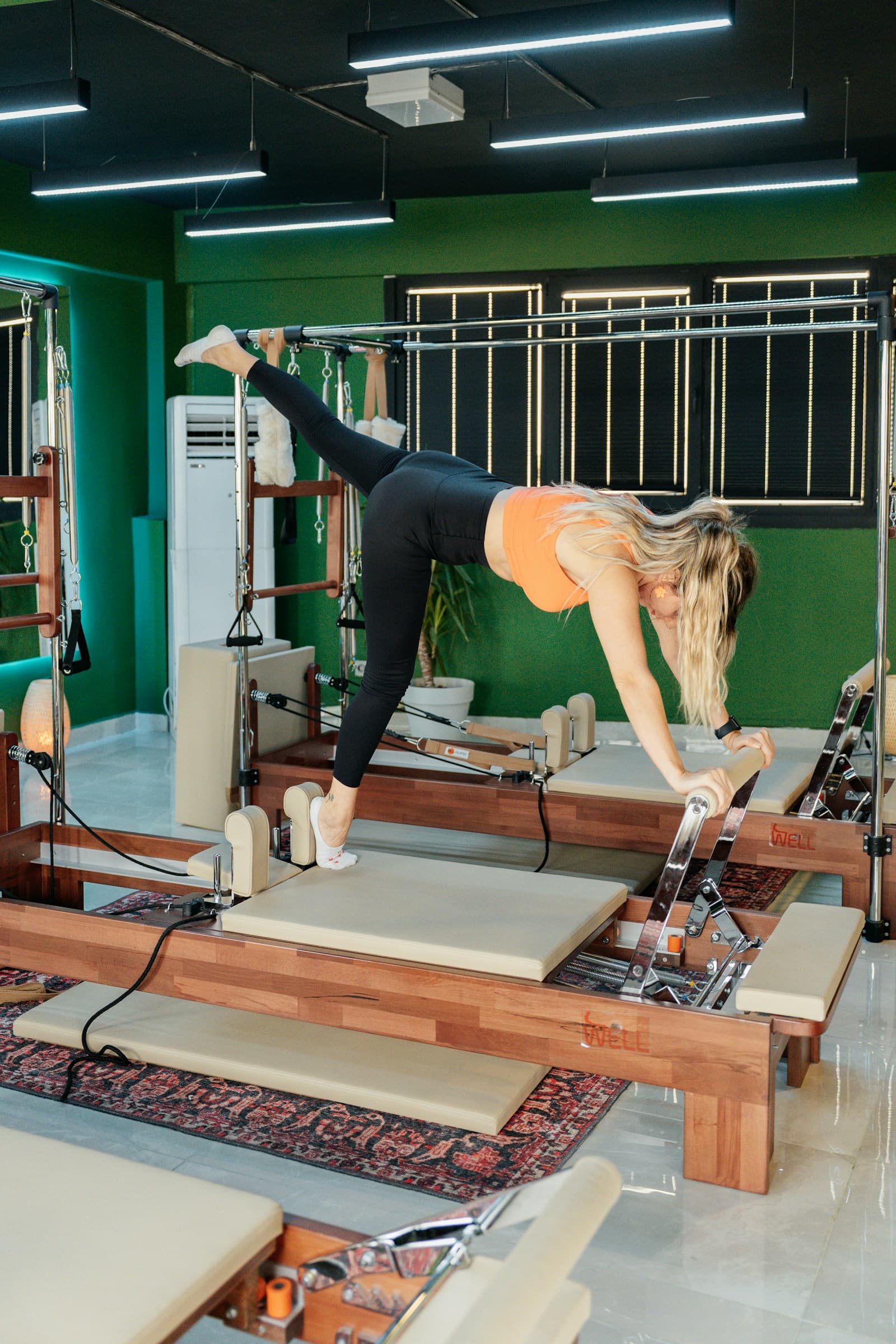
Pilates Studio Front Desk Training Playbook
Scripts, SOPs, and upsell cues that turn a pilates front desk from liability to profit center.