Hiring Yoga Teachers: The Audition Protocol That Predicts Retention
A 3-stage audition protocol — including the energy test — that predicts which yoga teachers will stick.
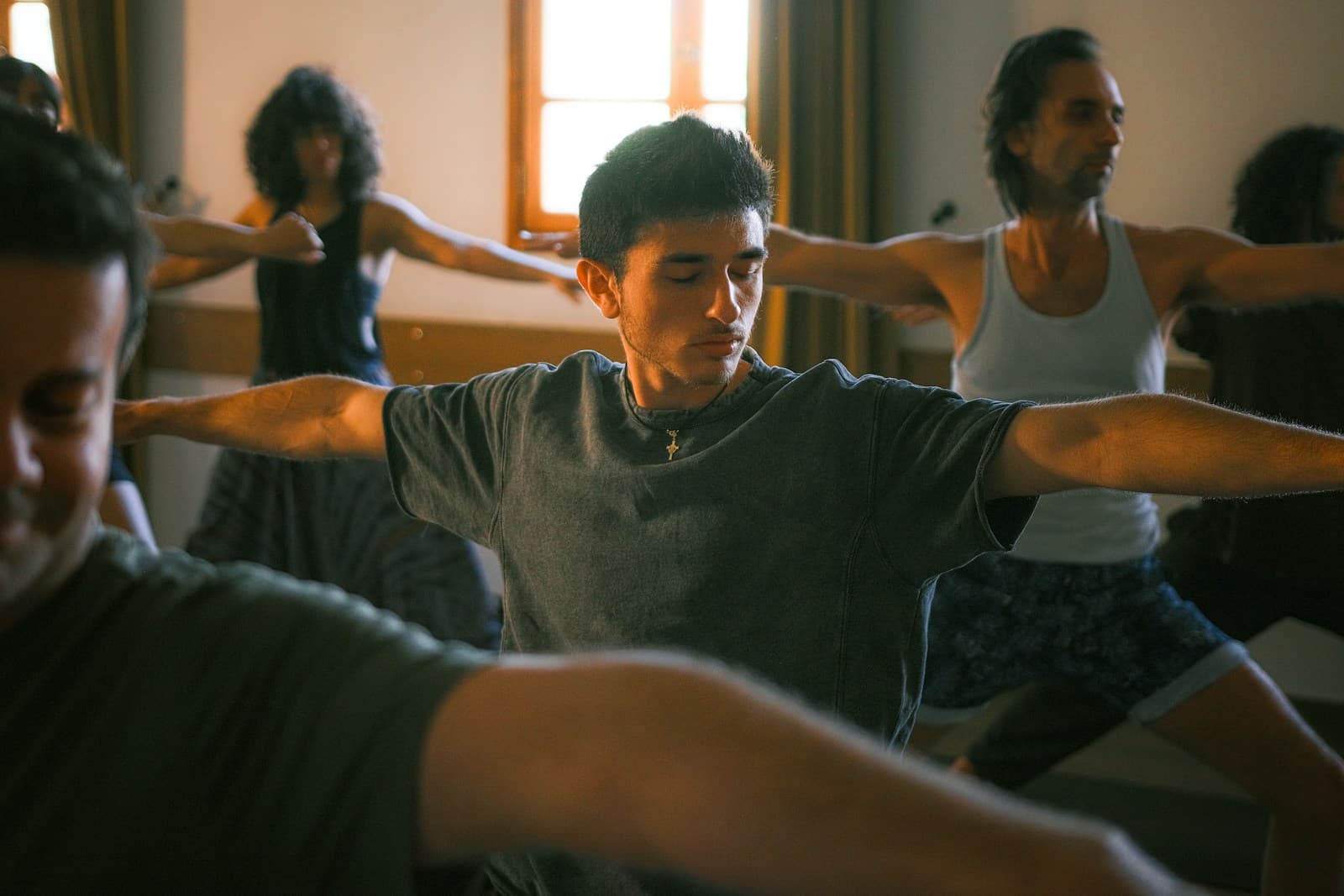
The yoga teacher who earns strong reviews and fills their recurring class slot consistently is worth more to a studio than one with a better CV who generates mediocre attendance. The energy test — watching whether student energy measurably rises during a trial class — predicts that outcome better than credential review or interview skill.
Why Do Most Yoga Hiring Processes Fail?
Most yoga studio hiring processes are credential-first and feel-second. They filter for RYT certification level, conduct a 30-minute interview, and hire based on whether the person "seems like a good fit." That sequence misses the variable that actually determines studio outcomes: does this teacher build a loyal following?
Teachers who build loyal followings share three qualities: students feel genuinely seen during their class, the pacing consistently creates an energized close rather than a flat one, and the teacher's communication style makes new students feel welcomed rather than judged. None of these are detectable from a resume.
What Certifications Should You Require?
The minimum for any teaching role is Yoga Alliance RYT-200. For an experienced hire teaching specialty formats, look for:
- RYT-500 for senior or advanced class teachers
- RPYT (Registered Prenatal Yoga Teacher) for prenatal formats
- RCYT (Registered Children's Yoga Teacher) for kids' programs
- Trauma-informed certification if you serve recovery, therapy, or clinical populations
Verify Yoga Alliance registration at yogaalliance.org — the registry is public and searchable. A claimed RYT that doesn't appear in the registry is a red flag.
Beyond credentials: ask for references from the last two studios where they taught. Call them. Ask specifically: "Did they fill their class over time?" and "Would you re-hire them?"
What Is the 3-Stage Yoga Teacher Audition Protocol?
The 3-Stage Yoga Teacher Audition filters for skill, fit, and energy match in sequence.
Stage 1: Materials review. Before meeting, request: Yoga Alliance registration number, a short paragraph describing their teaching philosophy, and availability. Screen out candidates who describe their teaching in abstract wellness language with no concrete approach. You want someone who can say "I teach alignment-focused vinyasa with an emphasis on breath cuing" — not "I hold space for transformation."
Stage 2: Teaching audition (45 minutes total). The candidate teaches a 30-minute session. You and one other person (ideally a regular student willing to volunteer) participate. Observe:
- Energy arc. Does the room feel more energized at minute 25 than it did at minute 5? This is the energy test. Teachers who flatten the room or let it stagnate produce lower student retention regardless of technical proficiency.
- Cuing specificity. Are adjustments verbal and clear without requiring demonstration? Good cuing indicates the teacher can teach large groups effectively.
- New student awareness. Do they acknowledge modified options proactively, or only when asked?
- Closing sequence. Does the savasana feel intentional, or does it feel like they ran out of material?
Score each dimension 1–5. Document it. Debrief immediately after.
Stage 3: Operational interview (20 minutes). Cover: schedule availability (confirm specific slots, don't accept vague flexibility), experience with the formats in your schedule, how they handle student complaints or injuries, and what they know about your studio's community and format focus.
What Is the Energy Test and Why Does It Predict Retention?
The energy test is simple: at the end of a teacher's trial class, do the participants look more engaged or less engaged than they did at the beginning?
Teachers who create an ascending energy arc — starting grounded, building intensity or focus, arriving at a satisfying close — produce students who want to come back. Teachers whose classes plateau or decline in energy early produce students who don't rebook.
This isn't about intensity. A restorative yin class and a power vinyasa class both have energy arcs — they're just shaped differently. The yin arc moves from active to deeply still; the vinyasa arc moves from warm to peak to integrated. In both cases, the student should feel the arc was intentional.
How Do You Run a Fair but Decisive Trial Period?
Set expectations in writing before the trial begins.
Give the teacher: a specific class slot, a specific trial period length (4–6 weeks), the metrics you'll evaluate (attendance trend, student feedback, operational reliability), and the date of the evaluation conversation.
Run a 15-minute debrief conversation after weeks 1 and 3. Not a full evaluation — a check-in. "What's going well? What's unclear?" This prevents surprises at the end of the trial and gives the teacher the feedback they need to adjust.
At the end of the trial: a clear decision conversation. If you're offering a permanent slot, say so and confirm the schedule. If not, be specific about why and give honest feedback. A vague "we'll be in touch" is unkind and unprofessional.
What Pay Structure Works for Yoga Teachers?
Total instructor payroll should stay under 38–42% of gross revenue for yoga studios. Above that, the margin erodes faster than revenue can grow to compensate.
For more on the full yoga studio business model, see the running a yoga studio by the numbers guide.
Run your studio on Zatrovo
Manage yoga teacher schedules, substitutions, and payroll reporting on one platform.

We write playbooks for studio operators — based on data from thousands of studios running on Zatrovo across pilates, yoga, lash, nail, massage, salon, dance, and fitness.
Related reading

Hiring Massage Therapists: The Audition That Reveals Fit
A 30-minute audition — including a full body work sample — that predicts client retention.
Yoga Teacher Pay Rates: Flat, Per Head, and Rev Share Compared
Real numbers on the three common yoga teacher pay structures and when to use each.

Minimum Shift Guarantees for Studio Instructors: Protecting Staff Without Paying for Empty Classes
Minimum pay guarantee mechanics for studio instructors — threshold, cancellation policy, and the language that balances staff protection with studio risk.