Esthetician Facial Menu Design: Pricing Tiers Clients Book
Learn how to price facials as an esthetician with the Chair-Hour Floor and a three-tier menu clients actually book, plus add-on and price-raise rules.
To price facials, start with the Chair-Hour Floor: what one treatment-room hour costs you, plus labor and backbar product per service. Never price below that line. Then build a three-tier menu (Essential, Signature, Corrective) and price the middle tier as the facial you most want clients to book.
How should an esthetician price facials?
Start from your cost per treatment-room hour, set a floor, then build three tiers where the middle facial is the one you most want booked.
Many estheticians price by looking at the spa down the street. That tells you what clients in your area will tolerate. It tells you nothing about whether you make money. Two studios charging the same $95 can have very different margins if one books its room 60 hours a month and the other books it 110.
So the order matters. First the floor, then the tiers, then the gaps between them, then add-ons. If you skip the floor, you can end up with a menu that looks great, books well and loses money on its most popular line.
What does a facial actually cost you to deliver?
More than the service minutes. Count consult, treatment and turnover time, plus backbar product, then divide fixed overhead by the hours you actually book.
Here is a worked example for a single-room studio:
- Room time, not service time. A 60-minute facial ties up the room for about 80 minutes: 10 for intake and skin analysis, 60 for treatment, 10 to strip linens, sanitize and reset.
- Overhead per booked hour. Rent, utilities, insurance, software and laundry come to $3,000 a month. The room is booked 90 hours a month. That is $33.33 per booked hour, or about $44 for 80 minutes.
- Labor. The Bureau of Labor Statistics publishes national median pay for skincare specialists, and recent figures have sat in the low $20s an hour. This example uses $22. For 80 minutes that is about $29, before employer payroll taxes. If you work solo, pay yourself at least this in the math.
- Backbar. Weigh your products for one week. Log the start and end weight of each cleanser, mask and serum and divide by the services performed. For a Signature facial, assume about $12.
Floor: $44 + $29 + $12 = about $86.
Why do three tiers outperform one long menu?
Three options give clients a reason to choose the middle. Research on the compromise effect shows a middle option gains share between two extremes.
In a 1989 Journal of Consumer Research study, Itamar Simonson found that an option gains share when it becomes the compromise in a choice set, and that the effect gets stronger when people expect to justify their choice. That fits a facial booking well. Clients unsure about their skin want a choice they can defend, and the middle option is the easiest one to defend.
Long menus cause the opposite problem. The Association for Psychological Science summarizes the well-known jam study: shoppers sampled more when offered 24 flavors, but were far more likely to buy when offered 6. A 14-facial menu turns every new-client call into a long consult before anything gets booked.
What belongs in each tier?
Essential is a clean, predictable 50-minute treatment. Signature adds one visible result step. Corrective carries the advanced modality and requires a prior consult.
- Essential (50 minutes). Double cleanse, enzyme exfoliation, extractions only if needed, mask, SPF. It suits maintenance clients and anyone who needs a gentle treatment.
- Signature (60 minutes). Everything in Essential, plus one step the client can see in the mirror that day, such as a hydrojelly mask, high-frequency or a light lactic peel. This is your volume line.
- Corrective (75 minutes). A stronger peel, microneedling where your state license allows it, or a multi-modality protocol. Book it only after a Signature visit or a 15-minute consult, so you are not doing a corrective treatment on skin you have never assessed.
The consult gate on Corrective also protects your calendar. A first-time client who books your longest slot online and then no-shows costs you the most room time.
How far apart should tier prices sit?
Keep each step roughly 30 to 40 percent above the last. Smaller gaps make the top tier feel pointless; larger gaps make it feel unreachable.
That range is a working rule from menu design practice, not a research finding. Test it against your own floor. Using the cost model above:
Look at the Essential margin. At $24 over floor, it is a maintenance and entry product, not a profit center. If your Essential books more often than your Signature, the problem is usually how the menu is presented, not what it costs.
Should add-ons be priced separately or bundled?
Price add-ons by the room time they consume. An add-on that extends the appointment 15 minutes must be priced like 15 minutes of room.
In the example, room plus labor runs about $55 per booked hour, so 15 minutes costs about $14 before product. A $10 lip treatment that adds 15 minutes loses money every time you sell it.
The add-ons that pay are the ones done during time the client is already in the chair. LED under a sheet mask, a scalp massage while a peel processes, or a hand treatment during mask time all add no room time. List no more than three. Give each one its own duration in your scheduler, even if the duration is zero, so the calendar blocks the right amount of room time.
How do you name facials so clients book the right one?
Name facials by outcome and tier, not by ingredient. Clients book "Clarifying Signature" with fewer questions than "Mandelic Enzyme Ritual" because they recognize their problem.
Use the same four-part line for every menu item: name, minutes, price, and one "best for" phrase. For example: "Clarifying Signature, 60 min, $130. Best for congestion and breakouts." Keep ingredients and protocol details on the service detail page or in the consult, where they help clients trust you. Putting them on the menu only makes the decision harder.
Show the duration. Clients booking around a lunch break or school pickup often filter on time before they filter on price.
When should you raise facial prices?
Raise prices when your Signature tier books more than 85 percent of prime slots for six weeks, or when rent, wages or product costs move your floor.
Prime slots are the ones that fill first, usually weekday evenings and Saturday mornings. When those are full for six straight weeks, demand is ahead of price. Treat the 85 percent mark as a rule of thumb, not a law.
The procedure:
- Recalculate your floor every January, and again whenever rent or a major product line changes.
- Raise new-client prices first, with no notice needed.
- Give existing clients 30 days of written notice, sent at checkout and by email.
- Move one tier at a time, usually the Signature, by $5 to $10.
- Watch rebooking for four weeks before touching the other tiers.
How do series and memberships fit the menu?
Sell Corrective treatments as series and tie memberships to the Signature tier. A membership covering "any facial" becomes a discount on your most expensive service.
A Signature membership at $115 a month against a $130 single price gives a clear saving and still keeps you $29 above the $86 floor. A Corrective series of four sessions at $630 instead of $700 is a 10 percent saving, paid upfront. A 150-day expiry leaves room for four sessions at four- to six-week spacing.
For the retention side of this, including rebooking at checkout, see our guide to beauty client retention. For first-visit pricing that does not cut into your floor, read our guide to the beauty studio intro offer.
What should the front desk say when a client asks which facial to book?
Ask one question, recommend one tier, and name the price once. Listing all three facials over the phone sends clients back to price shopping.
The script: "What's bothering you most about your skin right now?" Then map the answer:
- Congestion, dullness, dehydration, or "I just want a facial": recommend Signature.
- Currently on tretinoin or reactive skin: recommend Essential. Recently sunburned: reschedule.
- Acne scarring, pigmentation, or fine lines they want treated: book a Signature or a consult first, then Corrective.
Say the price once, say the duration, and offer two specific times. "I have Thursday at 6:15 or Saturday at 10. Which works?" Our beauty studio front desk training guide covers how to roll this out across a team. To check that your menu also fits the numbers in your beauty studio business plan, run your floor at your planned booked hours, not your best month.
Run your studio on Zatrovo
Set each facial tier and add-on with its own duration and reset buffer so your room is never double-booked or underpriced.

We write playbooks for studio operators — based on data from thousands of studios running on Zatrovo across pilates, yoga, lash, nail, massage, salon, dance, and fitness.
Related reading
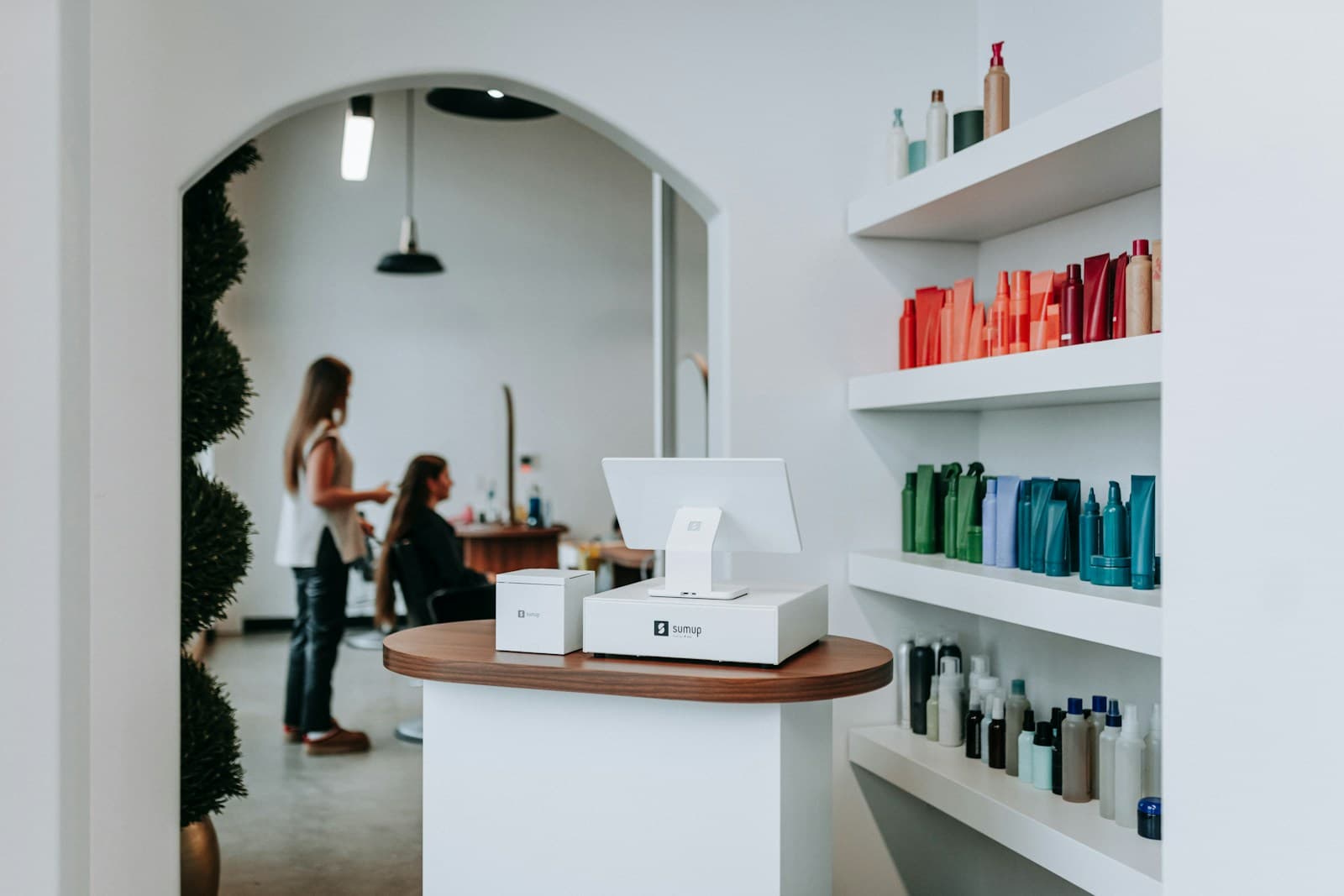
Beauty Studio Intro Offers: First-Treatment Pricing That Sells the Experience
First-treatment offer structures that prioritize experience delivery over discount depth — so clients return based on results, not habit of getting deals.
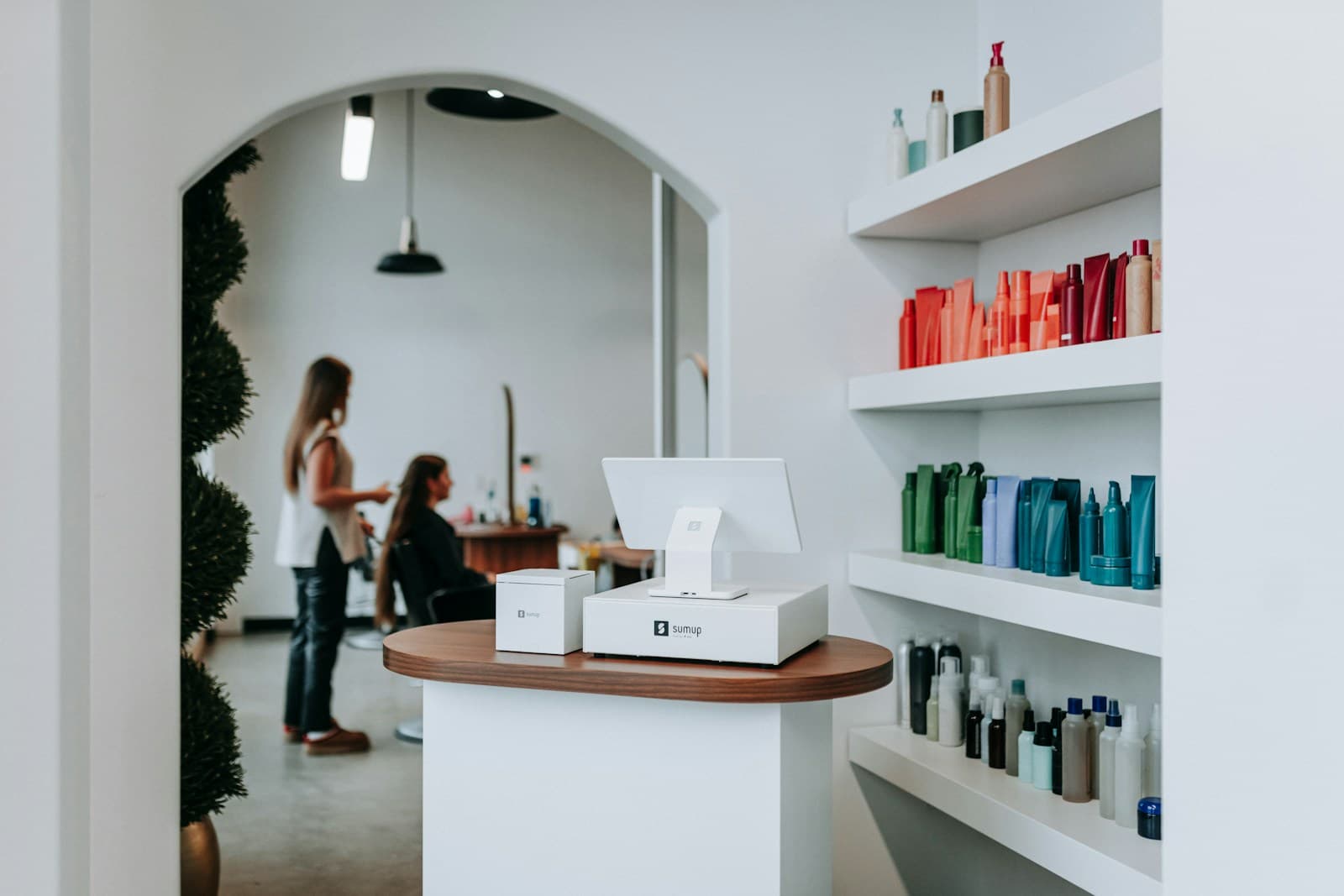
Beauty Treatment Pricing: Service Menu Rates That Reflect Skill and Suppress Discounting
A pricing framework for beauty treatments — facials, peels, waxing, lash — that reflects therapist seniority and eliminates the discount-request conversation.
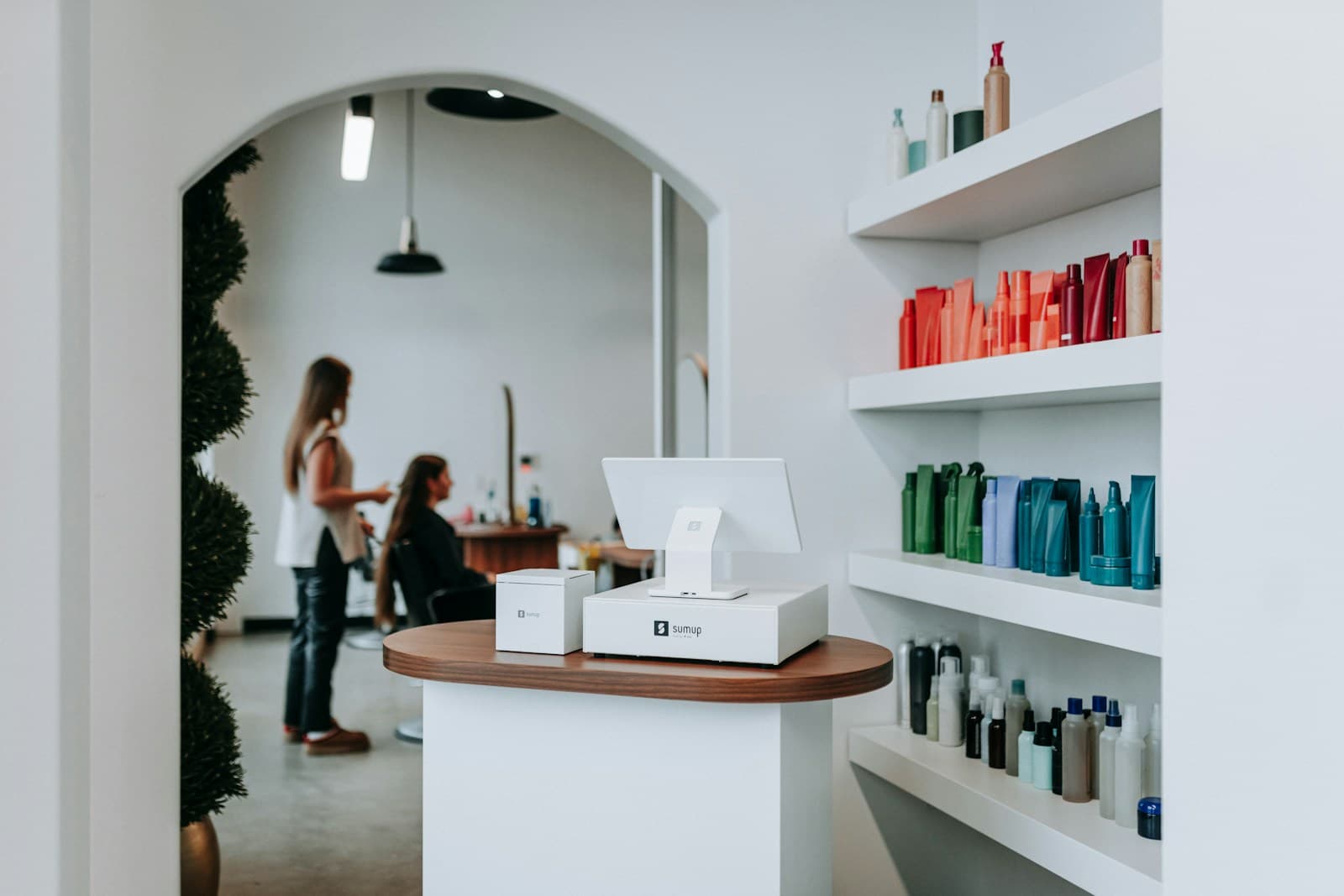
Beauty Studio Membership Pricing: Monthly Facial Plans That Retain Skincare Clients
Monthly facial and treatment memberships — with the rollover and pause policies that turn one-time clients into recurring revenue.