Hair Salon Client Retention: The Rebooking Window That Changes Everything
The rebooking window — how and when you ask for the next appointment — accounts for more retention variance than any loyalty program.
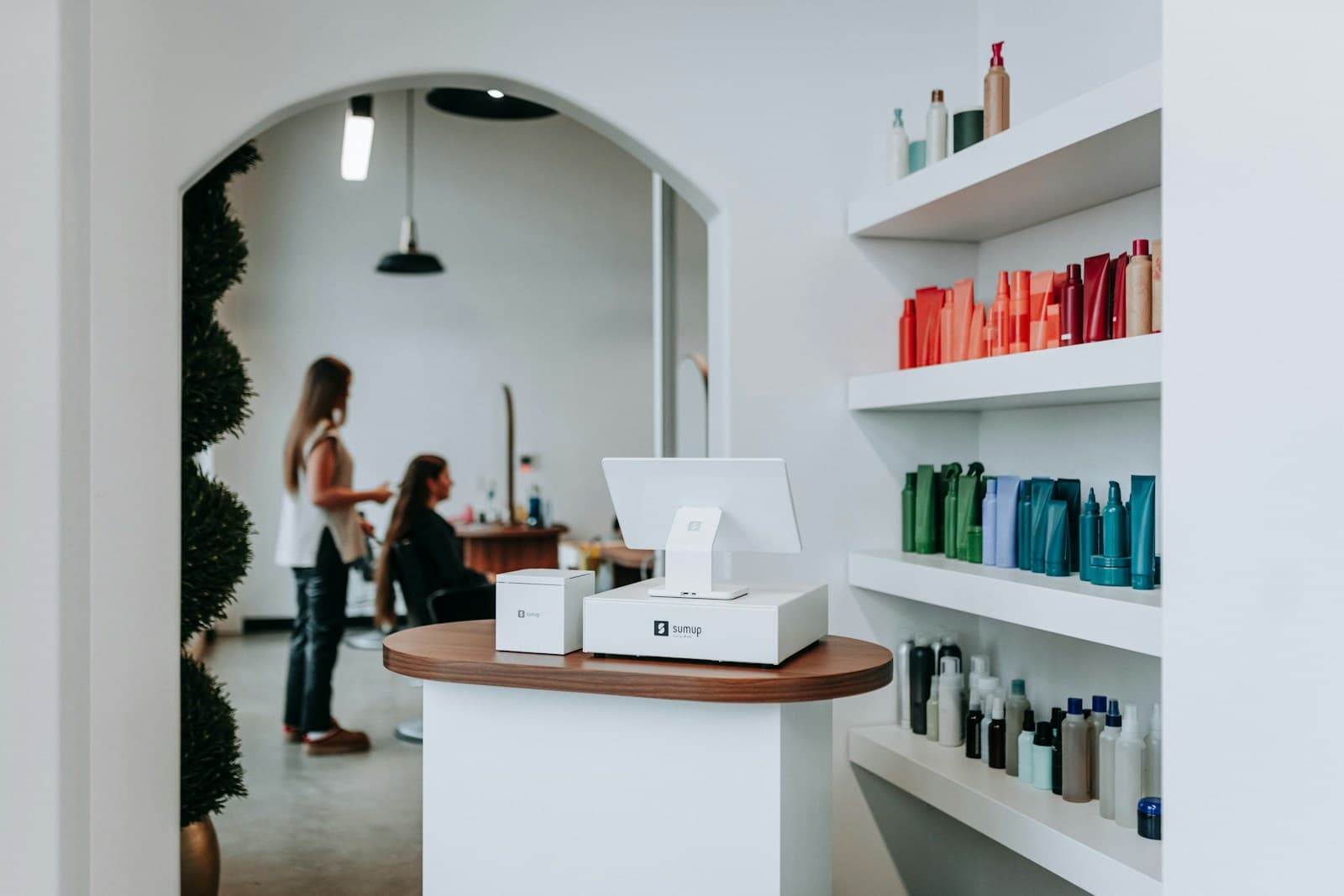
Clients who rebook before leaving the chair have a 74% return rate within 12 weeks. Clients who leave without rebooking return at 41% — a 33-point gap that no loyalty program, email campaign, or referral incentive can close as efficiently as a well-timed, stylist-delivered rebooking ask (Zatrovo salon cohort, n=212, 2026).
Why the Rebooking Window Is the Highest-Leverage Retention Tool in a Salon
Most salons treat retention as a marketing problem: send a reminder, offer a loyalty punch card, run a birthday discount. Those tactics address clients who are already at risk of leaving. The rebooking window addresses retention at the moment of highest satisfaction — while the client is still in the chair, experiencing the result of the service.
What Is the Rebooking Window and Why Does Timing Matter?
The rebooking window is the 90-second period at the end of a service — from when the stylist finishes the look to when the client stands up from the chair.
During this window, three conditions are simultaneously true:
- The client's satisfaction is at its peak (fresh results, mirror in hand)
- The stylist-client relationship is warm (post-service conversation, compliments, engagement)
- The client hasn't mentally transitioned to checkout and departure yet
Once the client stands up and moves toward the checkout desk, condition three disappears. Attention shifts to payment, scheduling, coat retrieval. The rebooking ask at the desk is fighting for attention against five other things.
At the chair: one thing. Full attention. Warm relationship. Fresh result.
What Is the Right Script for the Rebooking Ask?
The script matters. Generic asks convert poorly. Specific, service-referenced asks convert well.
Weak script: "Would you like to book your next appointment?"
Strong script: "For your color, you'll want to come back in 6–8 weeks to keep it looking this fresh. I've got a Tuesday morning slot in 6 weeks — want me to hold that for you before someone else grabs it?"
The strong script does four things: references the specific service need (not a generic follow-up), gives a specific timeframe, mentions a specific available slot (specificity creates mild urgency), and uses "hold for you" language (proprietary framing — this slot belongs to you if you want it).
The upgrade: use the client's actual service history. "Last time you came back in 7 weeks, and it was perfect timing for your roots — want to do the same?" References past behavior, signals that you noticed, and provides social proof for the recommended interval.
How Does a Stylist's Rebooking Rate Affect Studio Revenue?
A stylist's rebooking rate is the single best predictor of their contribution to studio revenue over time — more predictive than hourly service count or average ticket.
A stylist with a 70% rebooking rate generates 70% of their clients' next appointment automatically. A stylist with a 45% rebooking rate generates 45% automatically and loses 55% to chance. Over 12 months, the compounding effect is significant.
The $16,800 revenue gap between a 70% and 40% rebooking rate stylist — with identical new client volume — represents a year's worth of marketing spend for a six-chair salon. Rebooking rate improvement is the highest-ROI retention investment available.
How Do You Handle Clients Who Don't Rebook?
Some clients will always decline. The right response is a structured follow-up sequence, not no contact.
The Decline-to-Return sequence:
Week 6 after the appointment: Automated email from the stylist (first-person, signed with the stylist's name): "Hey [client name], [Stylist name] here — I wanted to check in. Your [service] from [date] is about due for a refresh. I've got some openings coming up — [booking link]. Hope to see you soon."
Week 9 (if no return): A second email with a modest offer — not a discount, but a value addition: "Still haven't booked? I'd love to catch up on [service]. I've got a few options this week — here are three times that work."
Week 12 (if still no return): Add to a win-back sequence — this client is now genuinely lapsed.
The key is that weeks 6 and 9 are from the stylist, not from "the salon." Stylist-attributed emails generate 2.4x the open rate of generic salon marketing emails (Zatrovo benchmark, 2026).
How Do You Build a Rebooking Culture Across a Whole Team?
Individual stylist coaching is necessary but not sufficient. Rebooking rate must be a team metric.
Share per-stylist rebooking rates monthly — privately, not in a group meeting. Public comparison creates resentment. Private coaching creates improvement. The conversation: "Your rebooking rate was 52% last month — the team average is 66%. Let's talk about the at-chair script. What does your current ask sound like?"
Set a team rebooking rate target (industry standard for a well-run salon is 65–75%) and track progress monthly. The target makes the metric visible; the monthly review makes it a management priority.
Read more in our running a modern hair salon guide and the hair salon win-back guide. For a multi-vertical retention playbook, see our studio client retention playbook.
Run your studio on Zatrovo
Track per-stylist rebooking rates, automate follow-up sequences, and manage client retention for hair salons.

We write playbooks for studio operators — based on data from thousands of studios running on Zatrovo across pilates, yoga, lash, nail, massage, salon, dance, and fitness.
Related reading
Hair Salon Loyalty Programs: Points vs Punch Cards vs VIP Tiers
Three loyalty models for salons — points, punch, and VIP tier — with the math on which pays back without eroding margin.
Beauty Client Retention: The Rebooking Protocol That Outperforms Every Loyalty Card
The rebooking conversation at checkout — timing, language, and the results photo that makes the next appointment feel inevitable.
Nail Salon Client Retention: The 14-Day Rebook Habit
How to train clients to rebook at checkout — the scripts, visual cues, and perks that automate it.