Running a Modern Hair Salon: Booking, Commissions, Growth
Real commission math, level pricing, and rebooking systems for hair salon owners in 2026.
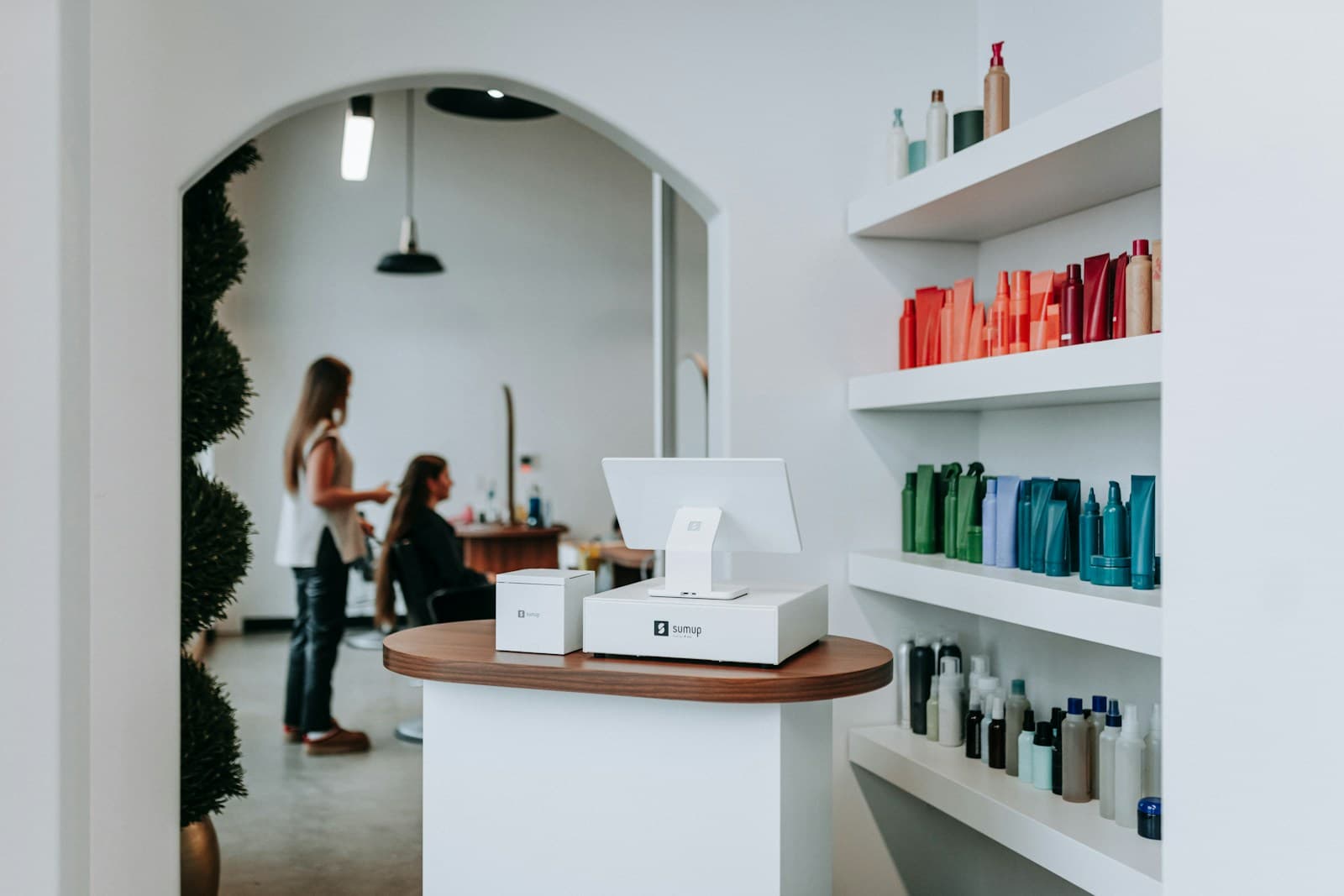
The salons that run profitably in 2026 treat commission as a math problem first. The median US hair salon on Zatrovo pays out 42% of service revenue to stylists — the ones in the top quartile by margin pay 38% while charging 15–20% more per service, because they built a level system that justifies the premium.
What Does a Sustainable Hair Salon Business Model Look Like?
Profitability in a hair salon is a commission-plus-pricing problem, not a volume problem.
A six-chair salon with well-leveled stylists charging market-rate prices and a 75%+ rebooking rate will outperform a 12-chair salon running 45-minute blowouts at $45 flat. More chairs add overhead — rent, supplies, management complexity — faster than they add revenue if pricing doesn't scale with them.
What Is the Right Commission Structure for Hair Stylists?
The market standard is a tiered commission model where new hires start at 40–45% and senior stylists earn 50–55% — with level promotions tied to performance metrics, not tenure.
Flat commission (everyone earns the same %) seems fair but creates a ceiling problem: your best stylists earn the same rate as your worst. That drives them out. Tiered commission signals that performance is recognized and creates a path for earning more without becoming a manager.
The alternative is chair rental: a stylist pays $300–$700/week for the chair and keeps all revenue. Predictable income for the owner, no payroll admin. The tradeoff: renters behave like tenants. They control client relationships, can leave without notice, and may compete directly after departing.
Most growth-stage salons run on commission for employed stylists and add rental chairs only once they have more demand than employed capacity. Don't mix models in the same front-of-house without clear brand guidelines — clients can't tell who's on commission and who's a renter.
Read the full breakdown in our hair stylist commission guide.
How Do You Build a Stylist Level System That Actually Works?
A level system ties commission rates and service pricing to objective performance metrics — not to how long someone has worked for you.
The 4-Level Salon Ladder is a framework used by the highest-margin salons in the Zatrovo cohort:
Level 1 (Associate): Passed technical assessment, building clientele. Commission: 40%. Service prices at base market rates.
Level 2 (Stylist): 80%+ rebooking rate, full appointment book within 60 days of hire. Commission: 45%. Service prices +10%.
Level 3 (Senior Stylist): 90%+ rebooking rate, 2+ week waitlist consistently, upsells treatments regularly. Commission: 50%. Service prices +20%.
Level 4 (Director/Lead): All Level 3 criteria, plus mentors team members and drives retail revenue above 15% of personal service revenue. Commission: 52–55%. Service prices +25–30%.
Promote on 90-day reviews. Annual reviews are too slow — talent leaves before it's recognized.
What Should Hair Salon Service Pricing Look Like?
Pricing should reflect stylist level, service complexity, and local market rates — not just what competitors charge for "a haircut."
The mistake most salons make: flat menu pricing regardless of who performs the service. A Level 1 stylist and a Level 4 director charge the same for a color service? Clients pick the director every time, the director is overbooked, and the junior stylist's book stays empty.
Level-based pricing solves this and creates a natural upgrade path for clients as stylists advance.
For a full breakdown of how to set service pricing by market, read our hair salon service pricing guide.
How Do You Set Up Online Booking That Actually Fills Chairs?
Online booking is not optional in 2026. Clients who can't self-book find someone who lets them.
The minimum viable booking experience: real-time availability per stylist, ability to select a specific stylist (not "any available"), service selection with accurate duration and price, and a 24-hour reminder. The rebooking experience — the moment at checkout where a client is prompted to book their next visit — is where most salons leave money on the table.
Read the full breakdown in our hair salon booking software guide.
How Do You Build a Rebooking System With Real Numbers?
The rebooking window — the 90 seconds at the end of a service before the client leaves the chair — drives more retention variance than any loyalty program.
Clients who rebook before walking out have a 74% chance of returning within 12 weeks. Clients who leave without rebooking, even if they say they'll "book online later," return at a 41% rate (Zatrovo salon cohort, n=212, 2026). The gap is not because those clients are less loyal — it's because friction wins. Life gets in between.
The prompt matters. "Would you like to book your next appointment?" is weak. "You're typically every 6–8 weeks — want me to hold your usual Tuesday slot before someone else books it?" converts at double the rate. Specificity and mild scarcity are the two ingredients.
For more on building a rebooking system, read our hair salon client retention guide.
How Do You Handle No-Show Policies Without Alienating Good Clients?
A no-show policy is a consent document, not a punishment. Frame it that way from the start.
Require a card on file at booking. Use clear language: "Cancellations within 24 hours of appointment time will incur a fee of 50% of the service price. No-shows will be charged the full service price." Include that language at the booking confirmation step — not buried in a welcome email.
Enforce consistently. Salons that waive the policy "for good clients" train every client that the policy is optional. Within 90 days, waiver requests become the norm.
Read our hair salon cancellation policy guide for template language and dispute-handling advice.
What Operations Infrastructure Does a Hair Salon Actually Need?
The core stack: booking software with stylist-level availability, commission tracking, and automated reminders. Add inventory management if you sell retail — don't track retail product stock in a spreadsheet. Add payroll software that handles tip reporting from month one.
Over-investing in software before you have 4+ stylists is common. A $200/month platform is not meaningfully better than a $60/month platform at two chairs. Add complexity when your operational friction demands it.
How Do You Grow From One Location to Two Without Breaking the First?
The second location fails most often because the owner stops being present at the first — not because the market is wrong.
Before opening a second location: your first location runs without your daily presence for at least six months, you have a documented operations manual, and you have a trusted manager at location one who owns the rebooking and upsell culture. Without those three, a second location doubles your stress and halves your margin.
The systems that matter most to replicate: booking workflows, stylist level criteria, cancellation policy, and retail merchandising standards.
What Financial Metrics Should a Salon Owner Track Monthly?
Four numbers, reviewed monthly.
Stylist utilization: Total appointment hours divided by total available hours per stylist. Below 65% means schedule capacity exceeds demand. Above 85% means you may be leaving rebooking money on the table — clients who can't get in on their preferred schedule find another salon.
Commission cost as % of service revenue: Target under 45% total. If a stylist's commission exceeds 50% of their personal revenue for three consecutive months, their pricing is too low or their book is underfull.
Retail attach rate: Retail revenue divided by service revenue. Industry benchmark is 10–15% (Zatrovo salon cohort, 2026). Under 5% means stylists aren't recommending products or clients don't trust the recommendation.
Rebooking rate: Tracked per stylist. Below 65% is a coaching conversation. Below 50% for a Level 3+ stylist is an exit indicator.
What Do Top-Performing Salons Do Differently?
The salons in the top quartile by margin share four practices.
They built a level system in the first year and never promoted on tenure alone. Commission and pricing are tied to rebooking rates, not how long someone has been employed.
They enforced a cancellation policy from day one. Not because they're harsh — because it trains client behavior early. Changing a no-policy culture after two years is significantly harder than setting standards from the start.
They made rebooking a service standard, not a sales ask. Every client leaves with a next appointment or a clear reason they declined.
They tracked per-stylist metrics monthly and acted on deviations within two weeks.
None of these require expensive software or a management consultant. They require consistency.
According to Professional Beauty Association industry data, salons with structured level systems and level-based pricing report 18% higher revenue per chair than flat-rate commission salons. The level system is the highest-leverage structural change most salons can make.
For a comparison of how Zatrovo handles commission tracking versus other salon software platforms like Vagaro, Boulevard, Fresha, GlossGenius, and Phorest, the core difference is whether commission calculations are automatic or require manual export — a distinction that matters once you have 4+ stylists.
Run your studio on Zatrovo
Run commission tracking, stylist scheduling, and client rebooking on one platform.

We write playbooks for studio operators — based on data from thousands of studios running on Zatrovo across pilates, yoga, lash, nail, massage, salon, dance, and fitness.
Related reading
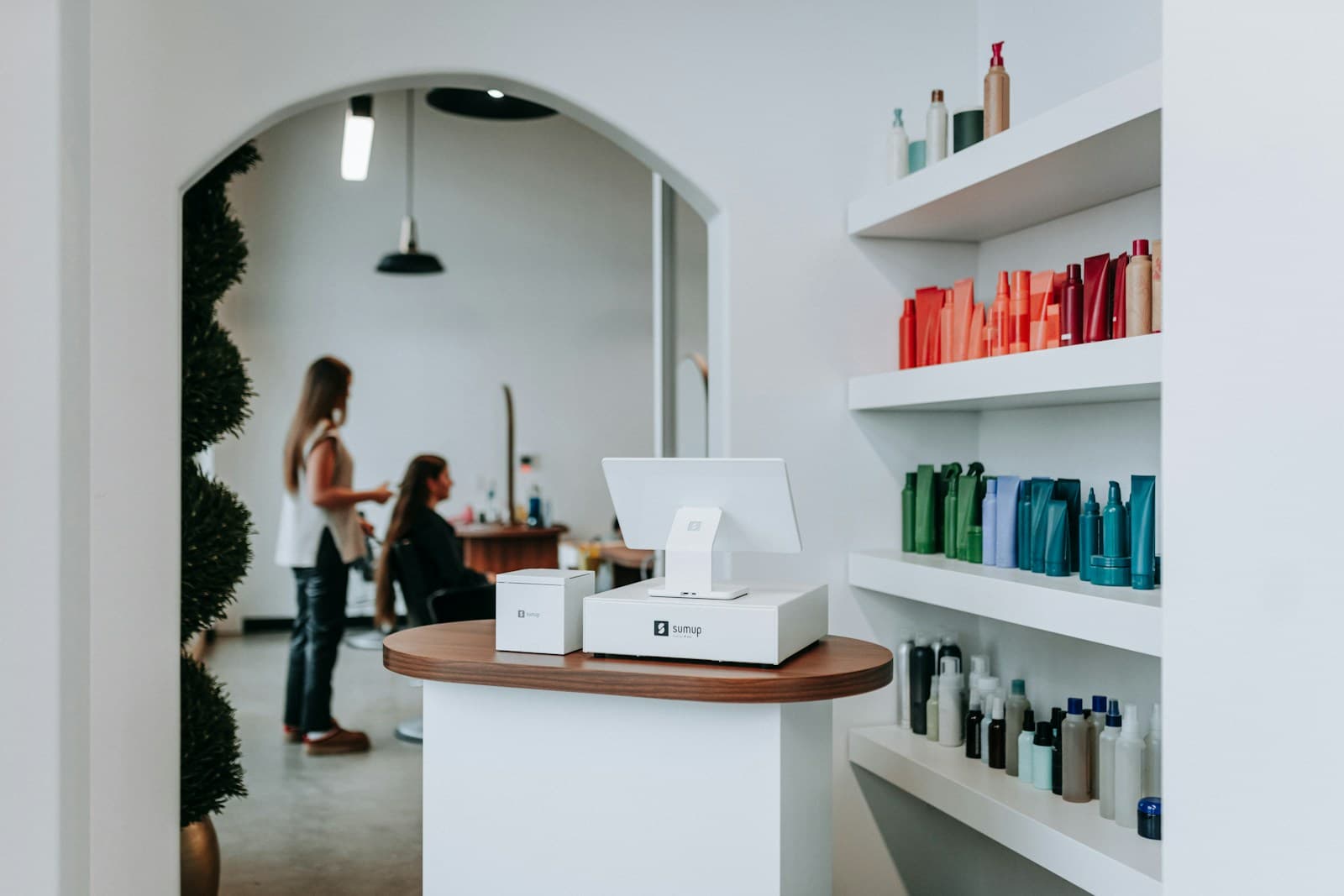
Hair Salon Scheduling: How Buffer Gaps and Double-Booking Kill Revenue
The scheduling patterns that leak revenue in salons — buffer gaps, late cancellations, and double-booking prep — and how software fixes them.
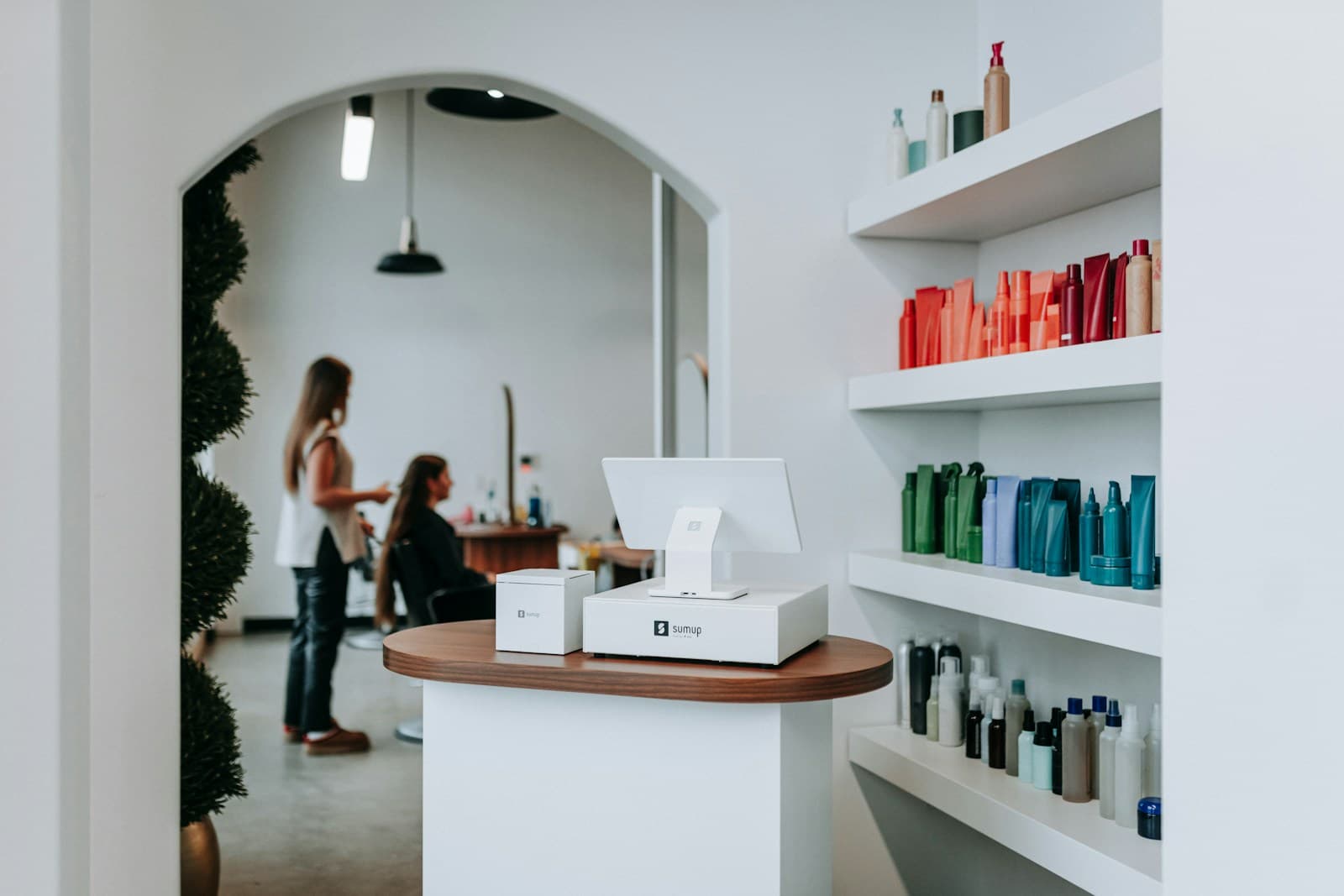
Hair Salon Front Desk Training: Scripts for the 6 Hardest Moments
Scripts for the six moments that make or break salon guest experience — from greeting to upsell to awkward price questions.
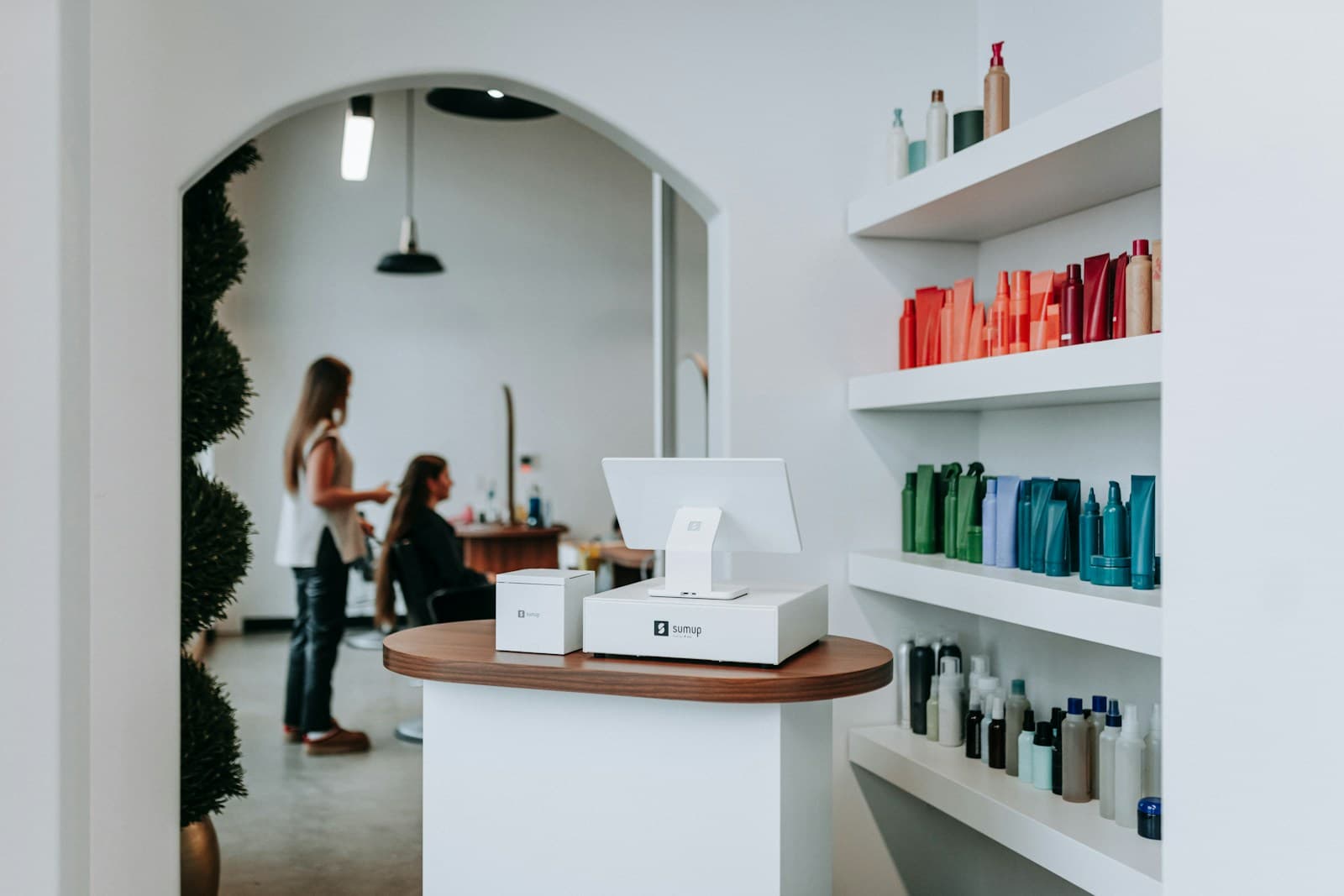
Hair Salon Operations Manual: The SOPs That Survive Staff Turnover
SOPs covering open/close, color mixing, sanitization, and client notes so quality holds when someone leaves.