Hair Salon Booking Software: 8 Features That Actually Reduce No-Shows
Booking features that specifically reduce no-shows in salons — deposit capture, automated reminders, and cancellation flow.
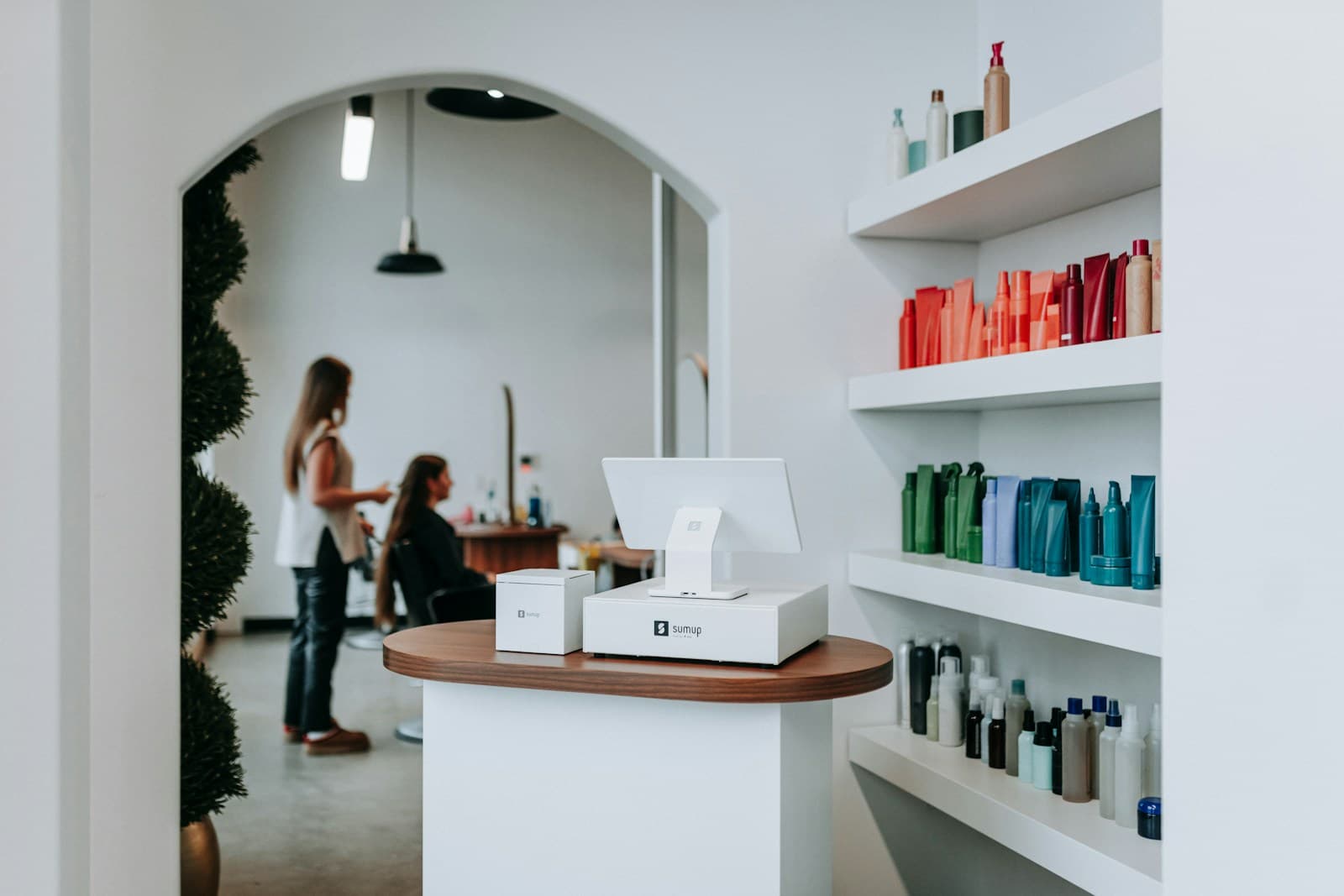
Salons that capture a card at booking reduce no-shows by 58–68% for high-value services. The setup takes one afternoon. Most salon booking software supports it natively — the barrier isn't technical, it's the discomfort of asking. These 8 features eliminate that friction by making policy automatic, not personal.
Why Hair Salons Have a Different No-Show Problem Than Studios
A yoga studio with a no-show loses a $25 class revenue. A hair salon with a no-show on a balayage appointment loses $180–$350 in service revenue plus 3 hours of stylist time that can't be backfilled.
The stakes are higher, and the booking behavior is different. Salon appointments are individual, often high-value, and require specific stylist availability. A no-show isn't just empty capacity — it's a stylist who was blocked from taking another appointment for that window. Every no-show in a salon is a double loss.
Feature 1: Card-on-File Requirement
The single highest-impact feature for reducing no-shows in salons. Card-on-file doesn't mean charging at booking — it means the client knows their card is on file and that a no-show or late cancel will result in a charge.
Configure it by service type: require card for any service over $50, for color services, for extension appointments, and for any first-time booking over $75. Don't require it for haircuts under $35 — the friction-to-value ratio doesn't support it.
The right setup: soft requirement (clients can book without a card but receive a follow-up message to add it within 24 hours before their appointment is confirmed). Hard requirement (no card, no confirmed booking) is appropriate for high-demand stylists with waitlists.
Feature 2: Automated 48-Hour and Same-Day Reminders
The reminder message should include: appointment time, stylist name, salon address, and a one-tap confirmation or cancellation link. Clients who actively confirm their appointment no-show at 3x lower rates than those who receive a reminder but don't interact with it.
Feature 3: Automated Cancellation Fee Enforcement
Manual enforcement fails because front desk staff resist the interpersonal friction of charging a cancellation fee. Automated enforcement removes that decision from the human conversation.
Configure: cancellation window (e.g., 24 hours for standard services, 48 hours for color), fee amount (typically $25–$50 for color, 50% of service cost for extensions), and whether it's a deposit forfeit or a charge at cancel.
The client communication at booking matters: "A 24-hour cancellation policy applies to this appointment. Late cancellations will incur a $30 fee that will be charged to your card on file." This language sets expectations without being threatening.
Feature 4: Multiple Stylist Calendar Views
Booking software that shows a unified salon calendar forces clients to scroll through all availability and mentally map it to preferred stylists. Software that shows per-stylist calendars lets clients book their preferred stylist directly or discover a stylist they haven't tried before.
Per-stylist calendars also enable:
- Service filtering by stylist specialty (color specialists versus cuts-only)
- Stylist bio and photo on the booking page
- Direct-link booking URL per stylist (for sharing on Instagram)
Feature 5: Waitlist with Automated Spot Notification
When a cancellation opens in a popular stylist's book, an automated waitlist fills it. Without automation, that spot stays empty — stylists don't have time to call through a waitlist between clients.
Configure: waitlist notification sent within 5 minutes of cancellation, with a 30-minute claim window. If the first waitlisted client doesn't claim within 30 minutes, it goes to the next. This system fills 40–60% of cancellation slots that would otherwise remain empty.
Feature 6: Color Consultation Booking Flow
Color consultations reduce bad-outcome risk and increase client commitment to the color appointment. Most salons that offer consultations lose value by making them free and unlinked to the follow-up appointment.
The optimized flow: a $20–$25 consultation deposit, refunded as a credit on the color appointment booked within 14 days. The deposit prevents consultation no-shows. The credit removes the financial friction of proceeding. The 14-day window creates urgency to follow through.
Feature 7: Client Notes and History Visible at Booking
When a client books online, the stylist assigned to the appointment should be able to see that client's service history and notes before the appointment. This prevents the awkward "I don't have any notes from your last visit" moment that erodes trust.
Configure: client history visible in the staff booking view, required note field after each service, and a pre-appointment brief generated from prior visit notes.
Feature 8: Deposit Capture at Booking for High-Value Services
For balayage, extension services, and any appointment over $150, require a deposit (typically $30–$75) at booking. This is distinct from card-on-file — the deposit is a partial payment, not just a hold.
The deposit serves two purposes: it reduces no-shows (clients who have paid something are far less likely to ghost) and it pre-validates the card, eliminating payment friction at checkout.
Platforms commonly used in hair salons include Vagaro, Boulevard, Square Appointments, and Mindbody. Boulevard has strong per-stylist calendar features and a polished booking UI. Vagaro is widely adopted with competitive pricing. Square Appointments integrates tightly with Square's payment ecosystem. Mindbody has deep reporting but a steeper learning curve.
For the full hair salon operations framework, see our hair salon operations manual, hair salon scheduling guide, and running a modern hair salon guide.
Run your studio on Zatrovo
Run salon scheduling, per-stylist calendars, deposit capture, and automated reminders on one platform.

We write playbooks for studio operators — based on data from thousands of studios running on Zatrovo across pilates, yoga, lash, nail, massage, salon, dance, and fitness.
Related reading
Barbershop Booking Software: Walk-Ins, Chairs, and Rebooking Tools
Barbershop booking software has to serve walk-ins, chair renters, and rebooking at once. Here is how to pick one and run it without losing Saturday.
Switching Salon Software Without Losing Client History or Appointments
A migration plan that preserves client notes, appointment history, and recurring memberships during a salon software switch.

Spa Booking Software: Features That Protect High-Value Appointments
Spa booking software should protect your highest-value slots. Here are the deposit rules, reminder timings, and gap-filling steps that actually work.