Barbershop Booking Software: Walk-Ins, Chairs, and Rebooking Tools
Barbershop booking software has to serve walk-ins, chair renters, and rebooking at once. Here is how to pick one and run it without losing Saturday.
Good barbershop booking software has to do three jobs at once: hold a live walk-in queue, keep a per-chair ledger for renters and employees, and rebook the client before the cape comes off. Run it on the Two-Lane Queue and the Chair-Hour Ledger, and Saturday stops being a guess.
What should barbershop booking software do that a wall calendar cannot?
Three things a paper book cannot: show remaining walk-in capacity in real time, split revenue by chair, and trigger a rebook prompt automatically.
The paper book fails at 11:40 a.m. on a Saturday. Three people come through the door, the desk says "about twenty minutes," and two of them leave because "about" is not a promise. What the software has to produce is a number with a position attached: "Marcus, 25 minutes, you are third." A range gets argued with. A number and a place in line does not.
The second job is the one owners underrate. If two barbers share a chair across a week, the shop's total revenue tells you nothing useful. You need the chair as a unit. That is what separates real salon and barbershop scheduling from a calendar with a booking button bolted on.
How do you keep walk-ins from getting squeezed out by online bookings?
Run the Two-Lane Queue: ring-fence a fixed share of every hour for walk-ins instead of letting online bookings take the whole grid.
Plenty of shops open the whole grid to online booking, watch it fill by Wednesday, then get frustrated when Saturday walk-ins are turned away. Ring-fencing on its own is not the fix either, because held slots die empty.
The rule that works is a release timer. Block the :30 and :45 slots on two of four chairs from 10 a.m. to 2 p.m. on Saturday. If a held slot is still empty at T-45 minutes, release it to online booking automatically. Walk-ins get protected capacity in the hours they actually show up, and any slot they do not claim converts back into a booking instead of a dead chair-hour.
How do you tell whether a chair is actually earning?
Use the Chair-Hour Ledger: every chair-hour on the schedule is booked, walked in, or dead. Count dead hours by chair and by day.
A chair open 40 hours a week that bills 22 is not 55 percent utilized in any useful sense until you subtract lunch and the turnover time you never put on the schedule. Add 10 minutes of real turnover after every cut and the picture changes.
Track dead chair-hours Tuesday to Thursday separately from Friday and Saturday. They are different problems. Midweek dead hours are a demand problem you fix with pricing and standing appointments. Weekend dead hours are almost always a no-show or a late cancellation, which is a policy and reminder problem.
What reminder message actually reduces no-shows?
One that names what the slot costs. A randomized trial found that reminders stating the specific cost beat both generic cost language and the standard reminder.
Two trials published in PLOS ONE tested SMS reminder wording across roughly 10,000 hospital patients each. The reminder that named the specific cost of the appointment cut the missed-appointment rate from 11.1 percent to 8.4 percent in the first trial. The second trial replicated the effect at 8.2 percent, and found that vaguer wording about cost performed worse, at 9.9 percent.
That is hospital data, not barbershop data, and the transfer is not guaranteed. But the mechanism is cheap to copy. Write the reminder as "Your 2:15 with Dee is a $45 slot. Cannot make it? Cancel here and someone else takes it." Send at T-24 hours and again at T-2 hours.
What do you do in the two hours after a no-show?
Call inside two hours, not the next day. The client still remembers where they were, and the chair can still be refilled today.
Three steps, in order. At minute 10, mark the no-show and push a "chair free now, 12 minutes to get here" text to the top three names on the walk-in list. At minute 90 to 120, the barber calls, not the front desk, because a regular will pick up for the person who cuts their hair. Third, rebook on that call or charge the fee, never both in the same conversation.
Charging a fee and asking for a rebook in one message is the single most common way shops turn a missed appointment into a lost client. Pick one outcome per contact. Your front desk training should make that split explicit, because under pressure people default to doing both.
How do you get the rebook before the client leaves the chair?
The 90-Second Rebook: the barber, not the desk, asks while the cape is still on and the mirror check is happening.
The script is short and specific. "You are on a four-week cycle. Same chair, same time, four weeks from Saturday?" The barber taps it into the tablet at the station, the desk confirms it at checkout against the card on file, and the client leaves with a text confirmation already on their phone.
Asking at the register does not work, because by then the client has their coat on and their card out and the answer is "I will book online." Across Zatrovo studios, 2026, the gap between chair-side asking and desk asking is the biggest difference we see in standing-appointment rates. Client retention in a barbershop is mostly this one habit repeated.
Should a barbershop hold cards or take deposits?
Hold a card for anything over 45 minutes or over $60, and for first-time bookings on a Saturday. Everything else books free.
The distinction matters operationally. A deposit is money you have taken, so it sits on your books, has to be redeemed or refunded, and a dispute means returning funds you have already spent. A card on file is an authorization you may never charge. It changes behavior at booking time with almost no administrative cost.
Reserve real deposits for the jobs that block a chair for over an hour: color correction, restoration work, a full beard reconstruction. For a 30-minute skin fade, a card on file plus a good reminder does the same job with less friction.
How should the software handle booth renters and chair rent?
A booth renter runs a separate business. The software has to separate their calendar, their money, and their client list from the shop's.
Self-employment is common in this trade. The Bureau of Labor Statistics lists self-employed workers among the largest employer categories for barbers, hairstylists, and cosmetologists, which means your booking system is often managing independent businesses rather than staff.
The IRS weighs behavioral control, financial control, and the type of relationship when deciding whether a worker is genuinely independent, and states plainly that no single factor decides it. Booking software that forces every renter onto the shop's price list, the shop's hours, and the shop's cancellation policy is quietly generating an evidence trail on the wrong side of that test.
Practically: each renter needs their own service menu, their own no-show rules, their own payout, and a client list they take with them if they leave. Configure that before your first renter starts, not after. The same logic applies to how you structure pay and rent arrangements generally.
How should you compare barbershop booking software on price?
Price it per chair per month at full staff, not per location on the intro tier, and add card processing on top.
Disclosure: Zatrovo builds studio and barbershop management software, so read this as a vendor's account of how the category prices. The three questions below apply to any system, including ours.
There are three cost lines, and shops routinely compare only the first. Subscription is the one on the pricing page. Card processing is usually the larger annual number, and it is where per-transaction differences compound across thousands of cuts. Add-ons for marketing, loyalty, or payroll are the third, and they are often the ones that turn a cheap tier expensive.
Ask three questions of any vendor before signing. Does a booth renter consume a paid seat? Does a chair on the calendar with zero bookings still bill? What is the price when a second location opens? Then divide the all-in monthly total by chair count and compare it to what one chair grosses on a Saturday.
What breaks during migration, and how do you cut over without losing a Saturday?
Recurring appointments and stored card tokens break first. Cut over on a Monday, run both systems one week, reconcile every Sunday night.
A shop we work with moved systems on a Thursday and discovered on Saturday morning that none of the standing four-week appointments had carried across. Eleven regulars showed up to a schedule that did not have them on it, and two chairs sat empty while the desk rebuilt the day by phone (Zatrovo studios, 2026).
Export the client list with phone numbers in full international format before anything else, because reformatting after import is slow manual work. Assume stored cards do not transfer between processors: either request a token migration from the old processor, which takes weeks, or re-collect at the chair over the first cycle. Plan the sequencing the same way you would plan any schedule change.
Which four numbers should the owner read every Monday morning?
Dead chair-hours, rebook rate taken at the chair, no-show rate by barber, and walk-in turn-aways. Four numbers, one page, ten minutes.
Dead chair-hours by day tells you whether the problem is midweek demand or weekend attrition. Chair-side rebook rate tells you whether the 90-Second Rebook is actually happening or whether one barber has quietly stopped asking. No-show rate by barber, not shop-wide, surfaces the person whose reminders are not going out or whose clients were never confirmed properly.
Walk-in turn-aways is the number almost nobody tracks and the one that pays for the software. Every person the desk sends away without logging is invisible revenue. Log the count, even without a name.
Run your studio on Zatrovo
Run a live walk-in queue and a per-chair ledger on the same schedule

We write playbooks for studio operators — based on data from thousands of studios running on Zatrovo across pilates, yoga, lash, nail, massage, salon, dance, and fitness.
Related reading
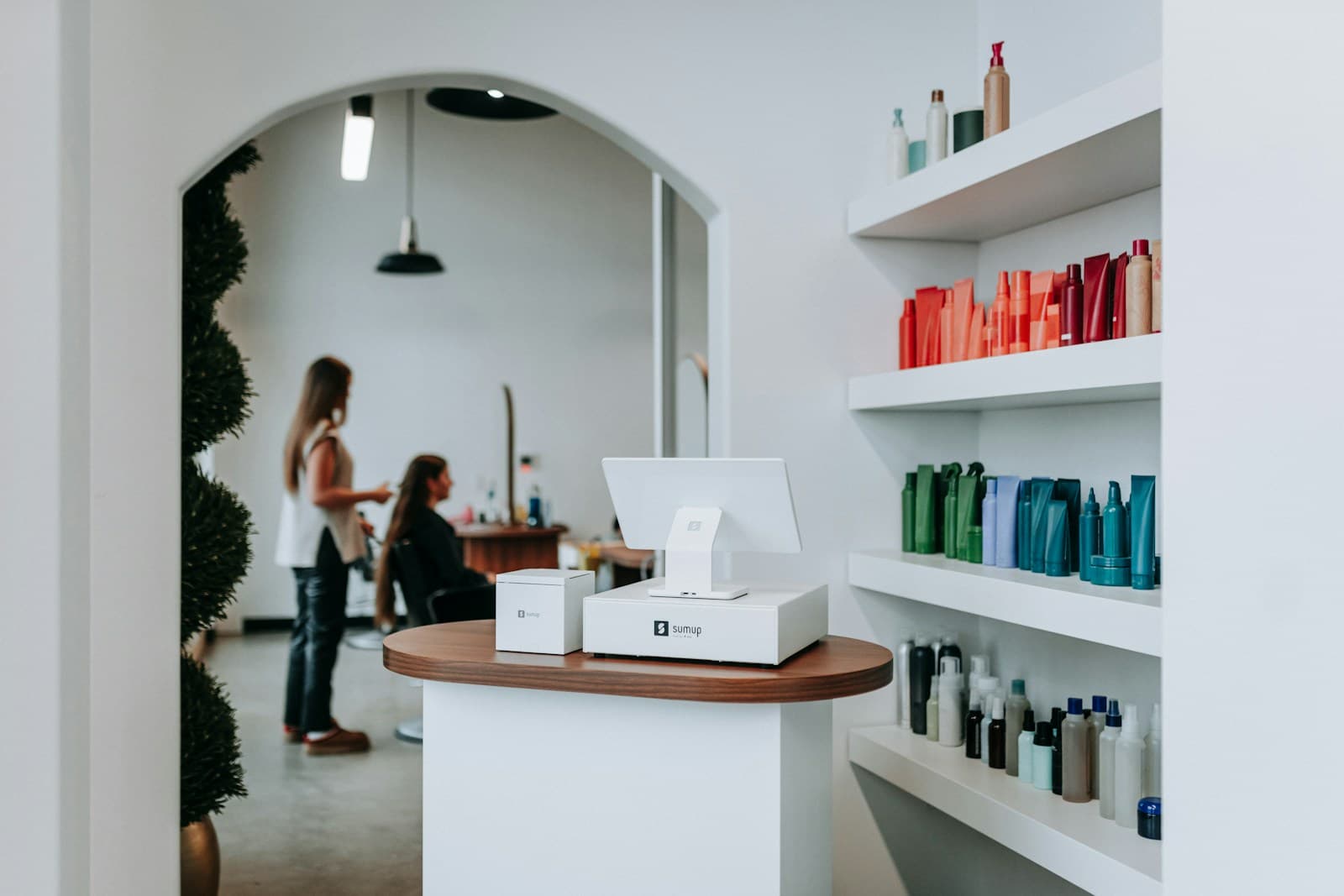
Hair Salon Booking Software: 8 Features That Actually Reduce No-Shows
Booking features that specifically reduce no-shows in salons — deposit capture, automated reminders, and cancellation flow.
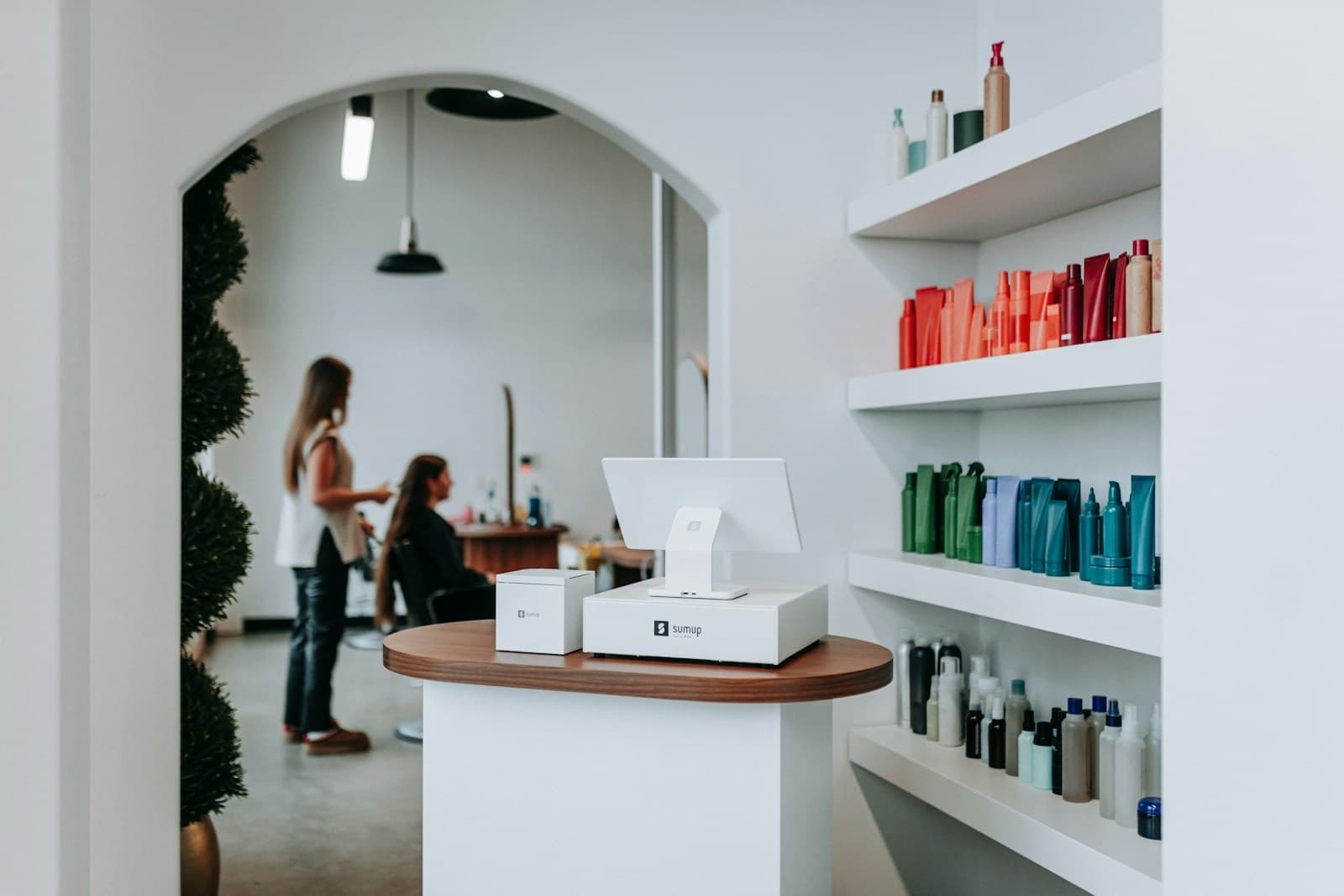
Switching Salon Software Without Losing Client History or Appointments
A migration plan that preserves client notes, appointment history, and recurring memberships during a salon software switch.
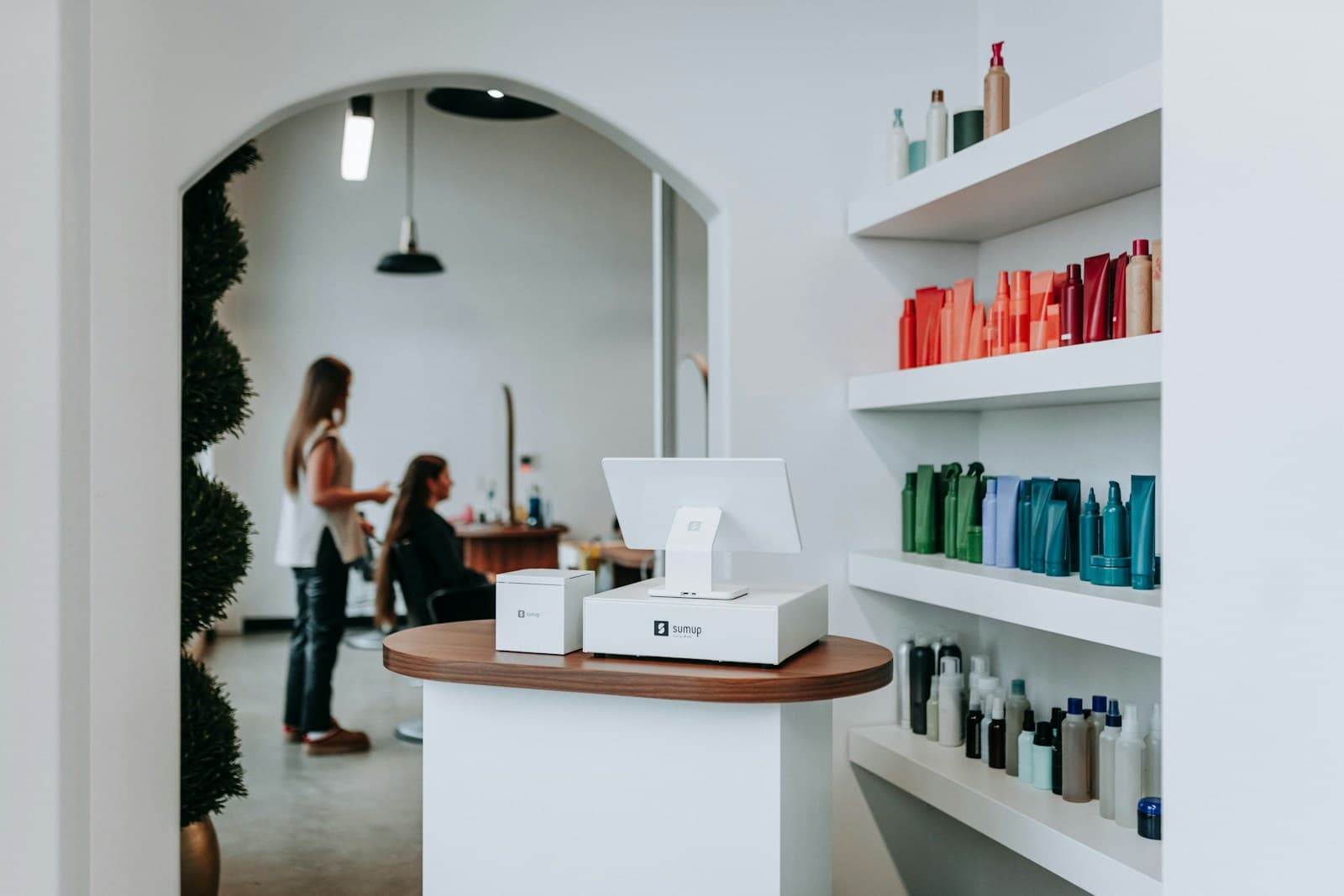
Hair Salon Client Retention: The Rebooking Window That Changes Everything
The rebooking window — how and when you ask for the next appointment — accounts for more retention variance than any loyalty program.