Standing Appointments: How Salons Lock In Recurring Clients
Standing appointments salon owners can trust: how to offer recurring slots, protect them with clear policies, and keep your best clients on the book.
Salons lock in recurring clients with standing appointments by running a simple cycle we call Offer, Hold, Protect, Review. Offer a fixed slot only to clients who already return on rhythm. Hold it on a rolling three-visit horizon. Protect it with a two-strike release policy. Review every series each quarter.
What is a standing appointment in a salon?
A standing appointment is a recurring slot, same stylist, same weekday, same time, held for one client on a fixed cycle, like every five weeks.
What sets it apart from a loyal regular is where the slot lives. A regular calls when their roots show. A standing client's Thursday at 6:00 pm is already in the book before they think about it.
Take Dana, a root touch-up client on a five-week cycle. Five weeks works out to roughly ten visits a year. If Dana books ad hoc, a few of those visits drift to six or seven weeks because Thursday evening was taken. Every drift costs visits over the year. A standing slot stops the drift at the source. Most beauty client retention work runs on the same principle: remove the moments where a client has to decide to come back.
Which clients should get a standing appointment?
Give standing slots only to clients who have already visited on cycle three times in a row. Rhythm earns the slot. Enthusiasm does not.
We call this the Three On-Cycle Rule. A visit counts as on cycle when it lands within seven days of the target interval. Three in a row means the client's life actually supports the rhythm.
Good fits are services with intervals of eight weeks or less: root color, men's cuts every three to four weeks, gel fills and lash fills every two to three weeks, and brow maintenance.
Poor fits:
- Balayage at 12 to 16 weeks. The visits are too far apart, and a lot changes between them.
- A brand-new client who loved their first visit. Prebook their next one, but do not hand them a series yet. This one runs against instinct: excitement after a first visit tells you little about rhythm.
- Clients who have moved two of their last three bookings. Their schedule is not stable enough to hold a fixed slot.
How do you offer a standing slot without sounding pushy?
Make the offer at the chair, during the finish, using a specific day and time. Frame it as holding their spot, not selling a plan.
The stylist makes the offer. The front desk confirms the dates. A script that works:
"You've been in every five weeks since spring. I can hold Thursday at 6 for you going forward, so you never have to chase it. Want me to lock that in?"
Name the date, not a range. Stylists interviewed by Modern Salon make the same point about prebooking: "I'd like to see you on the 9th" gets a clearer answer than "in about a month." Specific dates get specific answers.
At checkout, the desk reads the next three dates aloud and flags any that fall on holidays. If your desk team needs a playbook for that handoff, build it into your front desk training.
How far ahead should a standing appointment be booked?
Keep three future visits on the book at all times and add one at every checkout. Booking a full year ahead creates silent no-shows.
The rolling horizon is the Hold step. At every checkout the desk adds visit number four, so there are always three ahead. Each date was confirmed in person within the last few months.
When you create or extend a series, run a holiday sweep. Check every date against Thanksgiving week, December 22 to 31, July 4 week, and your local school district's spring break. Move any clashes in the same conversation, not by text three weeks later.
What policy protects a standing slot?
Use a written two-strike rule: two no-shows or late cancellations inside six months releases the slot. Put it in the confirmation text.
Late means under 48 hours of notice. Moves made seven or more days out are free and never count.
The Protect procedure:
- Strike one. Text the client within two hours of the missed time, not the next morning. Keep it warm: "Missed you today, want me to grab Tuesday at 5?" Rebook inside the same week.
- Strike two. Call, do not text. Explain that the recurring slot goes back to the general book and that you will prebook their next visit at checkout instead.
- Release. Remove the series the same day. Offer the slot to the next client who meets the Three On-Cycle Rule.
The policy protects the other clients who wanted Thursday at 6. Say that out loud when you explain it. People accept a rule that is about fairness.
How should reminders work for recurring clients?
Send two reminders per standing visit: seven days out and 48 hours out. The seven-day message matters most because the booking is months old.
The seven-day reminder gives clients time to move without earning a strike. The 48-hour reminder catches the rest.
Usually the client simply forgot, and outside salons the evidence for text reminders is good. A Cochrane review of randomized trials looked at healthcare appointments. Attendance was 67.8 percent with no reminders, 78.6 percent with text reminders and 80.3 percent with phone call reminders. Texts also cost less per attended visit. Healthcare is a different industry, but people forget appointments the same way.
How is a standing appointment different from prebooking?
Prebooking books one next visit at checkout. A standing appointment reserves a repeating slot. Most salons need both, applied to different clients.
Prebooking is the on-ramp. When a prebooked client hits three on-cycle visits, the stylist offers to convert them. Track your own prebook rate before and after you introduce standing series. Industry benchmarks for prebooking vary widely and many are years old, so your own trend line is the number worth watching.
What happens when a stylist leaves or changes hours?
Standing series follow the chair schedule, so any schedule change needs a four-week notice plan. Call standing clients personally before the book changes.
When a stylist drops Saturdays, pull every series in the affected slots. Call in order of tenure, longest first. Offer two options: the same stylist at a new time, or the same time with a named colleague. A mass text is how you lose a series.
When a stylist leaves, hand each client to a specific person with their formula notes attached. Hold the same weekday and time for the first visit.
Booth-rental salons need one extra step. The BLS reports that a large share of hairdressers, hairstylists and cosmetologists are self-employed. In a rental setup, the standing book may belong to the renter. Write down who owns recurring bookings in the rental agreement before anyone gives notice.
How should standing clients handle price increases?
Give standing clients 30 days of written notice and honor the old price for the next visit already booked. Surprise pricing breaks series fast.
The less obvious rule: do not discount standing slots in the first place. The client is paying for a guaranteed prime-time chair with their preferred stylist. That is your scarcest inventory.
How do you review standing appointments each quarter?
Once a quarter, pull every active series and sort by moves, strikes and cycle drift. Fix the slot before the client quietly drops it.
The Review checklist:
- Moved two of the last three visits. The slot is wrong. Offer a new day before they give up on it.
- Cycle drift. A five-week client who keeps pushing to six or seven weeks needs a six-week series, not more reminders.
- One strike on file. Check in at the next visit. Do not wait for the second.
- Prime-time share. As a rule of thumb, keep a few Saturday and weekday-evening slots per chair out of standing series so new clients can get in. A salon with no open prime time stops growing.
Fold the results into your wider salon scheduling review, so you plan the recurring book and the open book together.
Run your studio on Zatrovo
Set up recurring standing slots with automatic seven-day and 48-hour reminders for your regulars.

We write playbooks for studio operators — based on data from thousands of studios running on Zatrovo across pilates, yoga, lash, nail, massage, salon, dance, and fitness.
Related reading
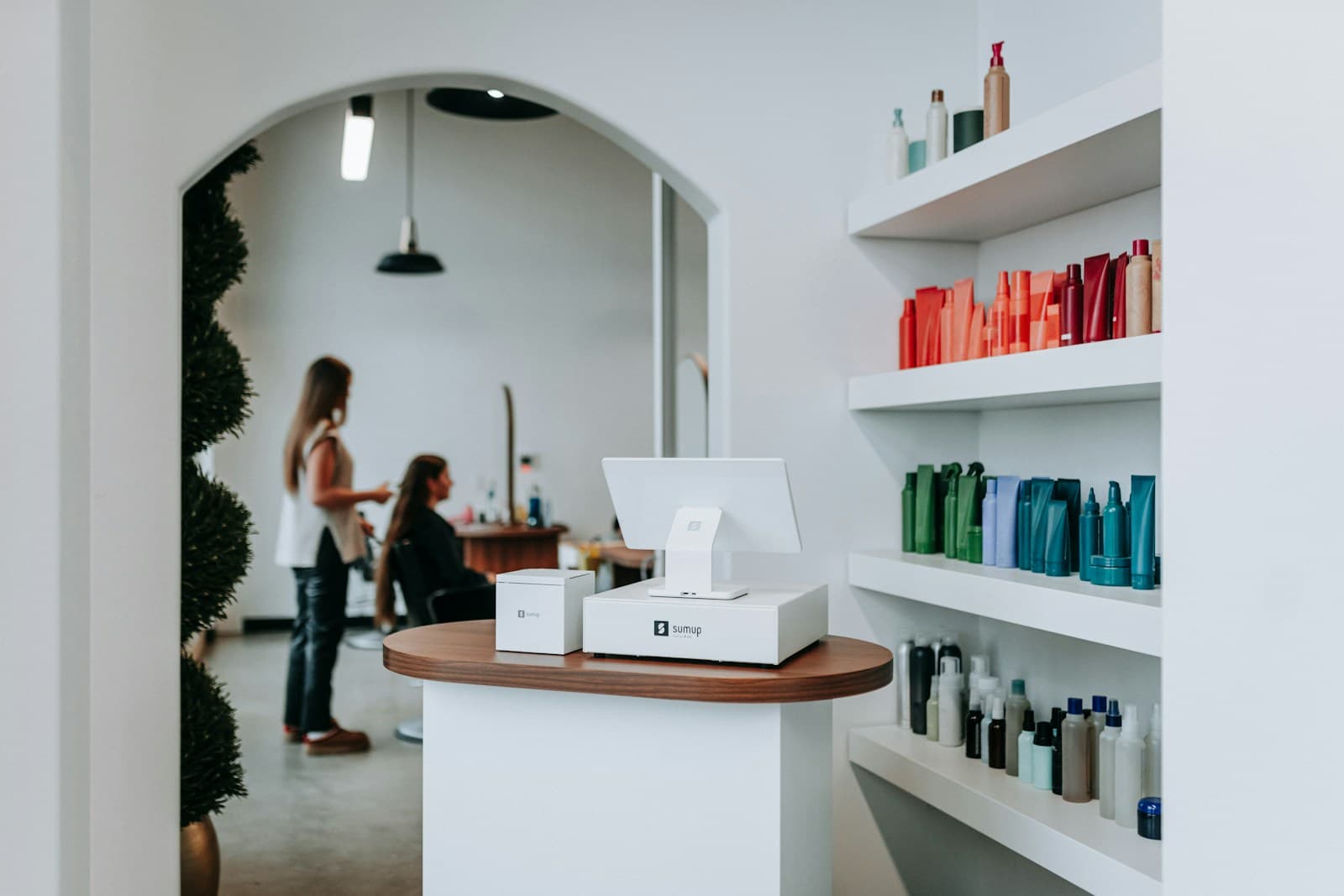
Running a Modern Hair Salon: Booking, Commissions, Growth
Real commission math, level pricing, and rebooking systems for hair salon owners in 2026.
Barbershop Booking Software: Walk-Ins, Chairs, and Rebooking Tools
Barbershop booking software has to serve walk-ins, chair renters, and rebooking at once. Here is how to pick one and run it without losing Saturday.
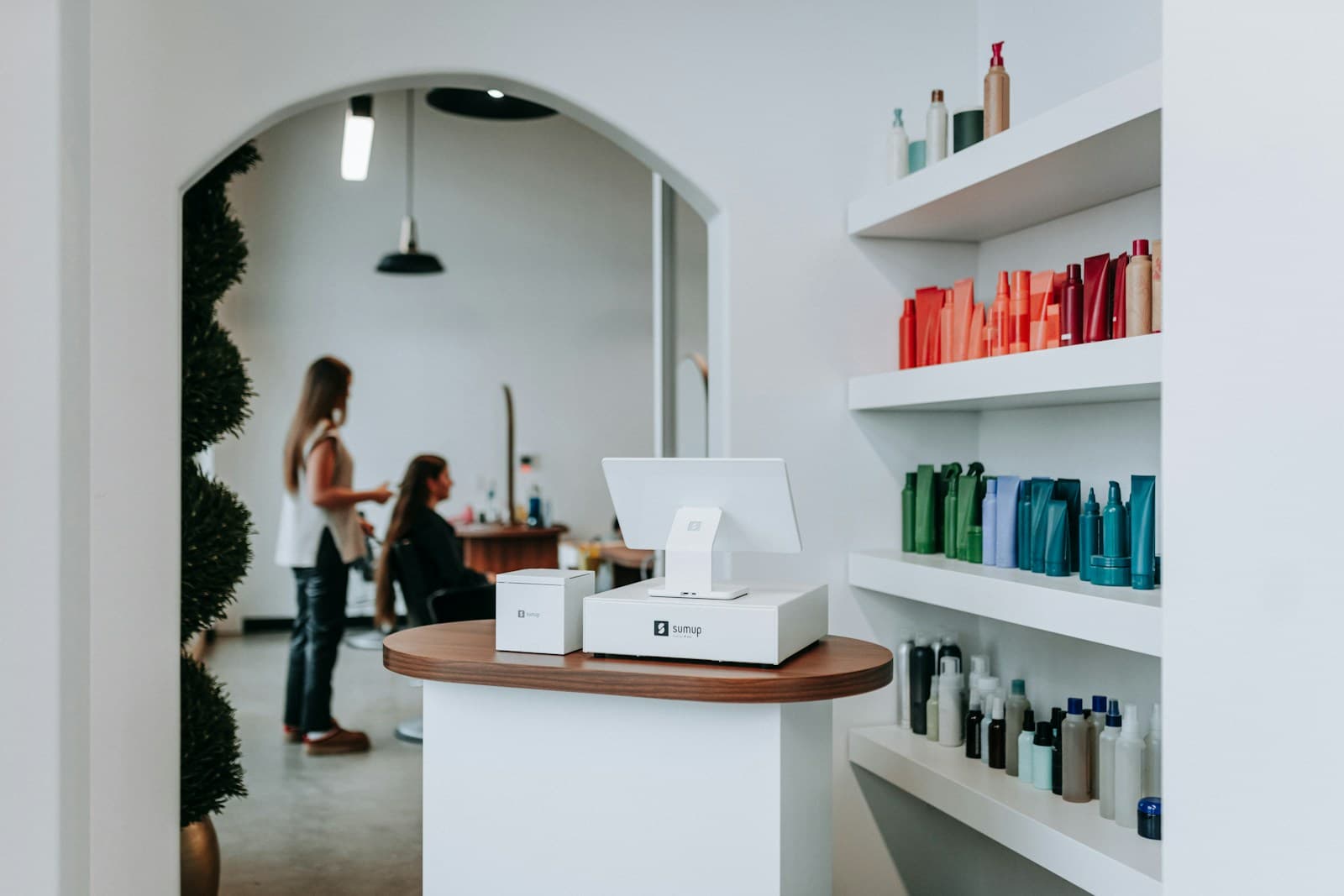
Hair Salon Client Retention: The Rebooking Window That Changes Everything
The rebooking window — how and when you ask for the next appointment — accounts for more retention variance than any loyalty program.