Hair Salon Referral Programs: Incentives That Don't Attract Bargain Hunters
Referral mechanics — service add-ons, retail, upgrades — that attract loyal new clients instead of coupon-seekers.
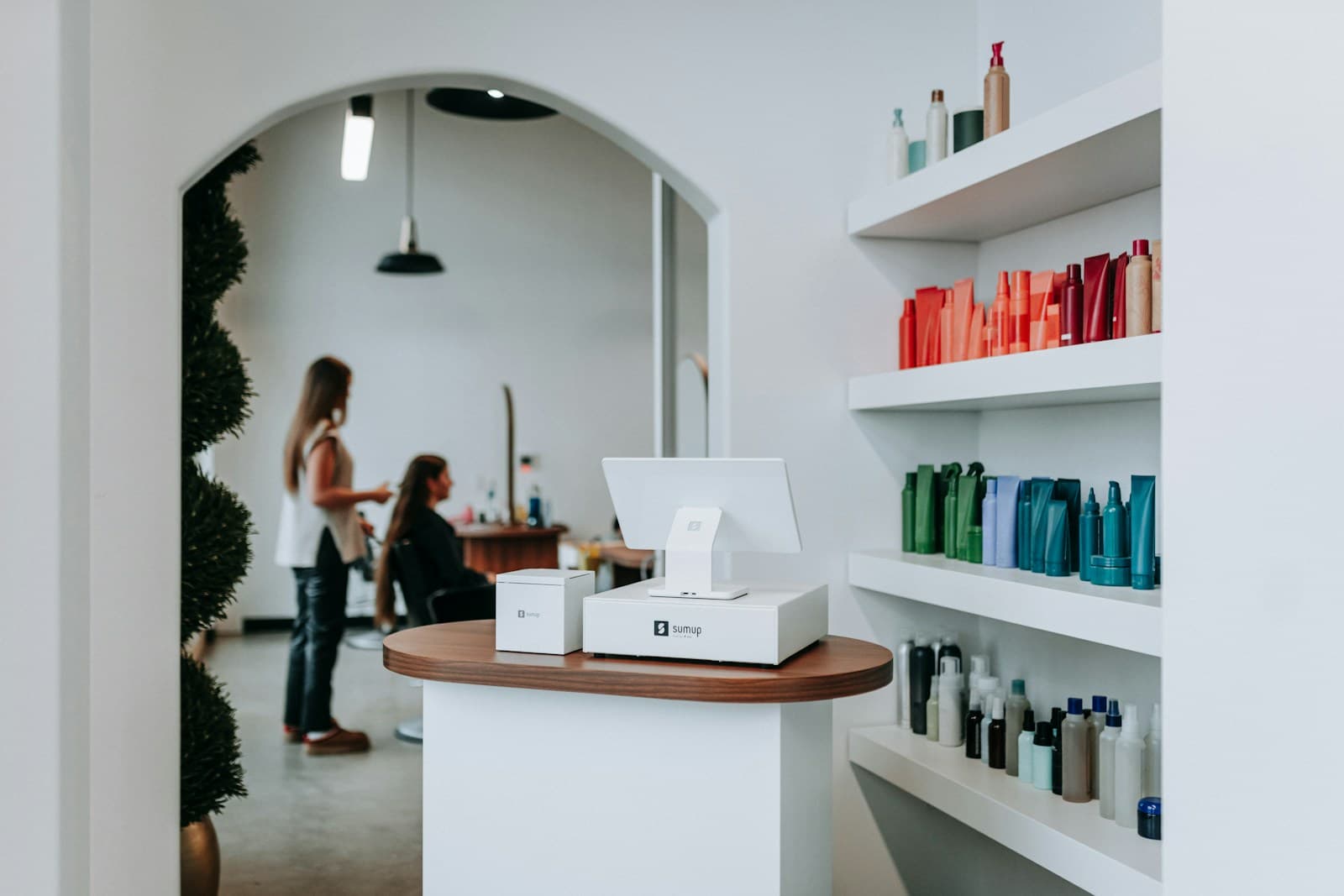
Hair salon referral programs based on upgrade rewards — free toning gloss, retail credit, blowout add-on — retain both the referrer and the new client at higher rates than cash discount programs. Cash discounts attract clients loyal to the price. Upgrades attract clients loyal to the experience. The incentive structure is the filter.
Why Upgrade Rewards Outperform Cash Discounts for Referrals
When you offer "$20 off your next visit" for a referral, you're training the referrer to be motivated by price. When you offer a free toning treatment or retail credit, you're rewarding them with a service enhancement. The referrer's perception of your salon — and their conversation with the friend they're referring — is shaped by which type of reward they're working toward.
A client who tells their friend "I get a free gloss treatment when you book" is positioning your salon as generous with experience. A client who says "I get $20 off" is positioning it as a place with negotiable prices.
What Upgrade Rewards Work Best?
The double-sided upgrade reward — both referrer and new client get a free toning treatment or retail product — is the highest performer on almost every metric. The incremental cost over a one-sided program is minimal, but the referral rate and referred-client LTV increase significantly.
When and How Do You Ask for Referrals?
The best time to ask is immediately after a result the client is excited about — color reveal moment, after a major transformation, or after they express satisfaction unprompted.
Script: "I'm so glad you love it. We're always looking for clients like you — if you know anyone who'd enjoy this kind of experience, we'd love to meet them. When they come in, you both get [specific reward]."
Key elements:
- "Clients like you" — specific and flattering
- "If you know anyone" — low pressure, not demanding
- "You both get" — double-sided framing
- Specific reward named, not vague "you'll get something"
Do not ask for referrals on a bad day or at the end of a visit the client seemed ambivalent about. Dissatisfied clients who refer are inviting friends to share a neutral-to-bad experience. Only ask when you see genuine enthusiasm.
How Do You Structure Double-Sided Rewards?
Double-sided referral mechanics:
- Referrer receives a notification when their friend books (automated via your booking software or a manual tag at intake).
- New client books and mentions the referrer's name or uses a referral link.
- Both receive their reward: referrer gets a message "Your friend [name] booked — your free toning gloss is ready at your next visit." New client sees "Welcome — your complimentary [reward] has been added to your first visit."
- Rewards are delivered at the next appointment, not as credits to use someday.
Delivering the reward at the specific next appointment — rather than as an open-ended credit — creates urgency to book and reinforces the positive experience of the referral.
For the overall hair salon business model and retention framework, see the running a modern hair salon guide. For client retention tactics beyond the referral program, see hair salon client retention. For Instagram tactics that amplify word-of-mouth reach, see hair salon Instagram marketing. For local SEO that converts referral traffic into organic search visibility, see hair salon local SEO.
According to Professional Beauty Association industry data, word-of-mouth remains the leading source of new client acquisition for independent salons, accounting for 41–58% of new bookings depending on market. Formalizing the referral program captures value that was previously happening informally.
Run your studio on Zatrovo
Zatrovo's referral tracking and automated reward notifications work across all client communication channels.

We write playbooks for studio operators — based on data from thousands of studios running on Zatrovo across pilates, yoga, lash, nail, massage, salon, dance, and fitness.
Related reading
Hair Salon Instagram Marketing: Before/After Reels That Book Chairs
Before-and-after Reels structure, posting cadence, and hashtag strategy built for hair salon booking conversions.
Hair Salon Local SEO: How to Rank for 'Haircut Near Me' Without Ads
GBP optimization, service-specific landing pages, and review cadence that outrank chains in local search for hair.
Hair Salon Loyalty Programs: Points vs Punch Cards vs VIP Tiers
Three loyalty models for salons — points, punch, and VIP tier — with the math on which pays back without eroding margin.