How to Market a Dance Studio to Parents, Not Just Kids
Learn how to market a dance studio to parents with the Cost, Calendar, Confidence filter: all-in pricing, sibling scheduling, and trust-building trials.
To market a dance studio to parents, answer the three questions every parent asks before enrolling: what the season costs in total, whether the class fits the family week, and whether their child will be safe and happy. Call it the Cost, Calendar, Confidence filter. Kid-facing content creates interest. Parent-facing answers close the enrollment.
TL;DR
- Put one all-in annual cost (tuition, registration, costumes, recital fee) on your website this week, next to the monthly price.
- Stack sibling classes in the same time block and publish the full-year calendar, including recital and picture day, on enrollment day.
- After every trial class, give the parent a doorway debrief and send a follow-up text within 24 hours.
Why does a dance studio need to market to parents and not just kids?
Because parents hold the card, the calendar, and the car keys. Kids want to dance; parents decide whether a ten-month season fits.
A flyer full of glitter and "Come dance with us" speaks to a six-year-old who cannot drive or pay. The inquiry that actually lands in your inbox comes from a parent, and it almost always asks the same things: how much, what day, and can I watch.
Parents are also looking harder at activity budgets. Aspen Institute's Project Play found that the average youth sports family spent $1,016 on a child's primary sport in 2024, a 46% increase since 2019. That survey covers sports, not dance specifically, but dance competes for the same household budget and the same weeknights. For more on the dance side of the business, the dance studio resource hub collects our operator guides in one place.
What is the Cost, Calendar, Confidence filter?
It is a three-part check parents run before enrolling: what it costs all year, whether it fits the family week, and whether their child will do well.
Every marketing asset should answer at least two of the three within ten seconds. Run this audit once per season:
- Print your homepage, your enrollment Facebook post, and your flyer.
- In the margin, mark C1 where cost is answered, C2 for calendar, C3 for confidence.
- Any asset with fewer than two marks gets rewritten before enrollment opens.
A common result is a homepage that scores one out of three: lovely recital photos (confidence), no price, no schedule.
How should a studio show the full-year cost upfront?
Publish one all-in annual number before a parent asks. Surprise costume and recital fees in January do more damage to trust than the tuition itself.
Parents compare dance to soccer and swim on total yearly cost, not monthly tuition. Show both numbers, and translate the total into a weekly figure, because the weekly figure is what feels fair.
Worked example (illustrative numbers, not a pricing benchmark): a studio charging $85 a month for 10 months collects $850 in tuition. Add a $40 registration fee, two costumes at $75 each ($150), and a $60 recital fee: $850 + $40 + $150 + $60 = $1,100 for the season. Spread across 36 weeks of class, that is $1,100 ÷ 36 = $30.56 a week.
Put "$1,100 all-in, about $31 a week" on the fee page. If costume prices are not final, publish a per-costume range and the deposit due dates. Set the tuition number itself from your own costs and local market (our guide to dance class pricing walks through that math), then build the all-in figure on top of it.
How do you market the calendar to a parent who is already overbooked?
Sell the schedule as a solved logistics problem: sibling classes stacked in one block, a full-year calendar on day one, and no surprise Saturdays.
A dance parent with two kids in two classes on two different nights is driving, waiting, and rearranging dinner twice a week. Anything that removes a trip is a selling point.
Three calendar moves that win families:
- Sibling stacking. Run creative movement for ages 3 to 5 at 4:30 in Studio B while ballet for ages 7 to 9 runs at 4:30 in Studio A. One drive, one wait.
- Full-year dates on enrollment day. Closures, picture day, dress rehearsal, and recital. A date that moves after families have planned around it is the change parents remember.
- Fixed pickup windows. End classes on the half hour so carpools line up with school and work schedules.
What makes a parent confident their child is safe and progressing?
Parents need proof their child is safe, liked, and improving. Show the teacher, open a viewing week, and send a progress note twice a year.
Teacher bios should include a photo, training, and how many years they have taught at your studio. State background checks only if you run them.
Closed-door classes help focus, but parents get nervous with no window in. Many studios open the last class of each month for watching, or run a watch week in November and March.
The progress note is three lines: one skill mastered, one skill in progress, one thing to practice at home. Send it in early December and late March, just before re-enrollment opens. The front desk should know every new child's name by week three.
Which channels actually reach dance parents?
Go where parents of young dancers already scroll and search: Facebook, local Google results, and the school-pickup conversation, then use Instagram to show kids dancing.
Pew Research Center's 2025 survey found 71% of US adults use Facebook, with higher use among adults ages 30 to 49. That is the age range of many parents with elementary-age dancers.
In local parent groups, do not post ads. Answer the "anyone know a dance class for a shy five-year-old?" threads with a plain, helpful reply and your trial link. Keep your Google Business Profile current, with fresh photos, class times, and the trial link, before the late-July to mid-September search window.
How should a trial class be run for the parent watching from the lobby?
Run the trial for two audiences. The child gets a class; the parent gets a doorway debrief and a text within 24 hours.
The doorway debrief takes two minutes and has three parts: one specific thing the child did ("she held her balance for the full count"), the class you recommend, and its start date.
The follow-up text goes out the next morning, not at 9 p.m. Include the recommended class, the start date, and a booking link. Hold the spot for 48 hours, then release it. For the full structure of the class itself, see our dance studio trial class guide.
What should parent-facing messages say at each point in the season?
Map parent messages to the season. August sells fit, October confirms costume costs, January protects the second half, and April sells next year.
January is where studios lose families quietly. A short progress note plus a recital date reminder gives the parent a reason to keep going through the cold months.
How do you turn current parents into your best marketing?
Ask current parents for referrals right after a high point, such as the recital or first showcase, and give them a ready-to-forward message.
Parent-to-parent word of mouth carries more weight than any ad, because it answers Confidence from someone they already trust. The best ask windows are the week the recital video goes out and the first two weeks of August.
Write the text for them: two sentences and the trial link. Pay in tuition credit, applied after the referred family's second paid month, so the reward goes to families who stay. Set the credit at a level you could afford to give every family who refers. Our dance studio referral program guide covers reward sizing and tracking in more detail.
What mistakes make parent marketing backfire?
Most parent marketing fails on trust, not reach: hidden fees, competition-team pressure on recreational families, and posting children's photos without a signed media release.
Recreational parents who signed up for one class a week get nervous when every post is about competition team tryouts. Keep two message tracks, one for recreational families and one for competition families.
Run your studio on Zatrovo
Show families every tuition, costume, and recital charge in one parent account.

We write playbooks for studio operators — based on data from thousands of studios running on Zatrovo across pilates, yoga, lash, nail, massage, salon, dance, and fitness.
Related reading
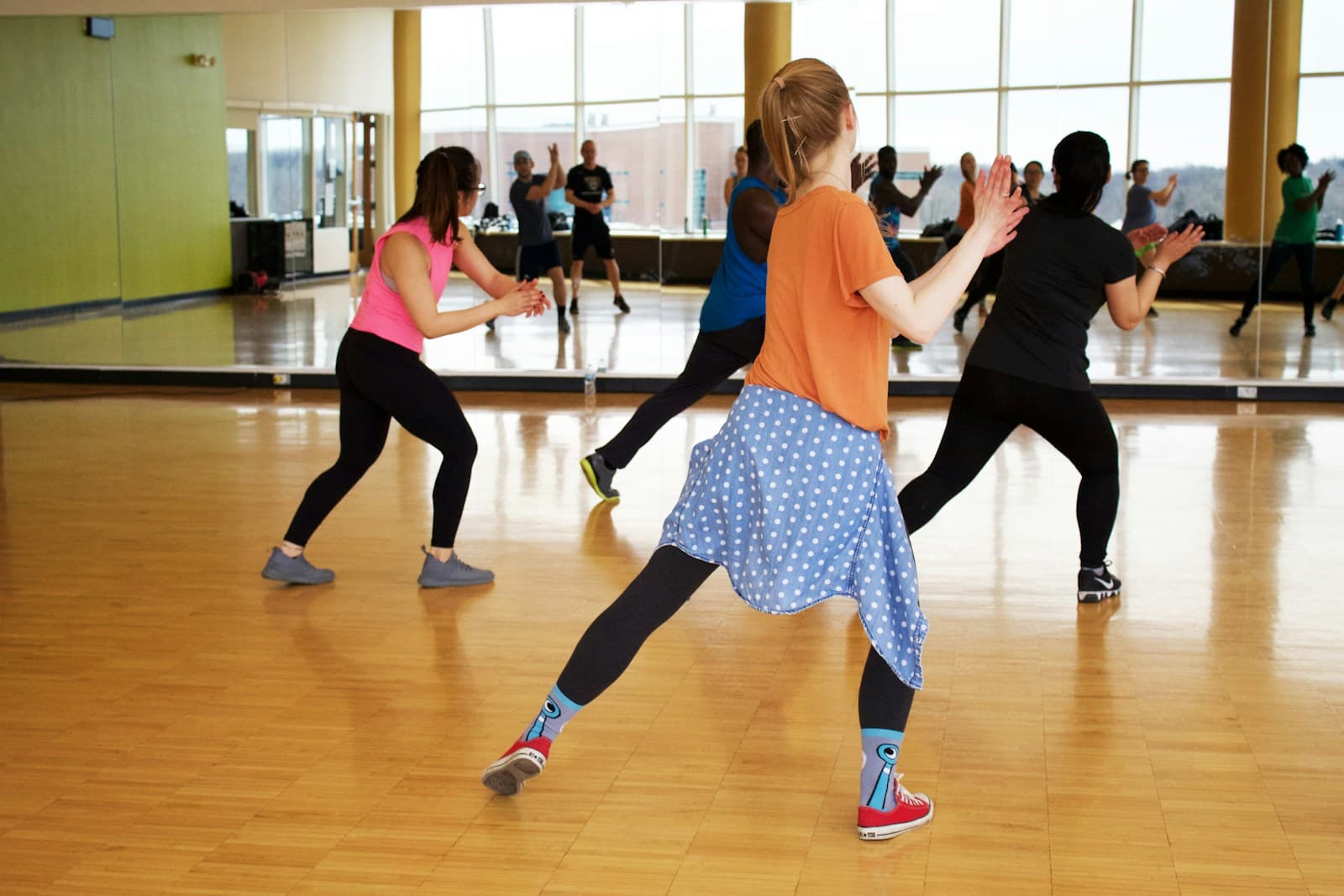
Dance Studio Referral Programs: Turn Recital Night Into an Enrollment Event
Using recital night — peak family attendance — as a structured referral trigger that fills next season's enrollment.
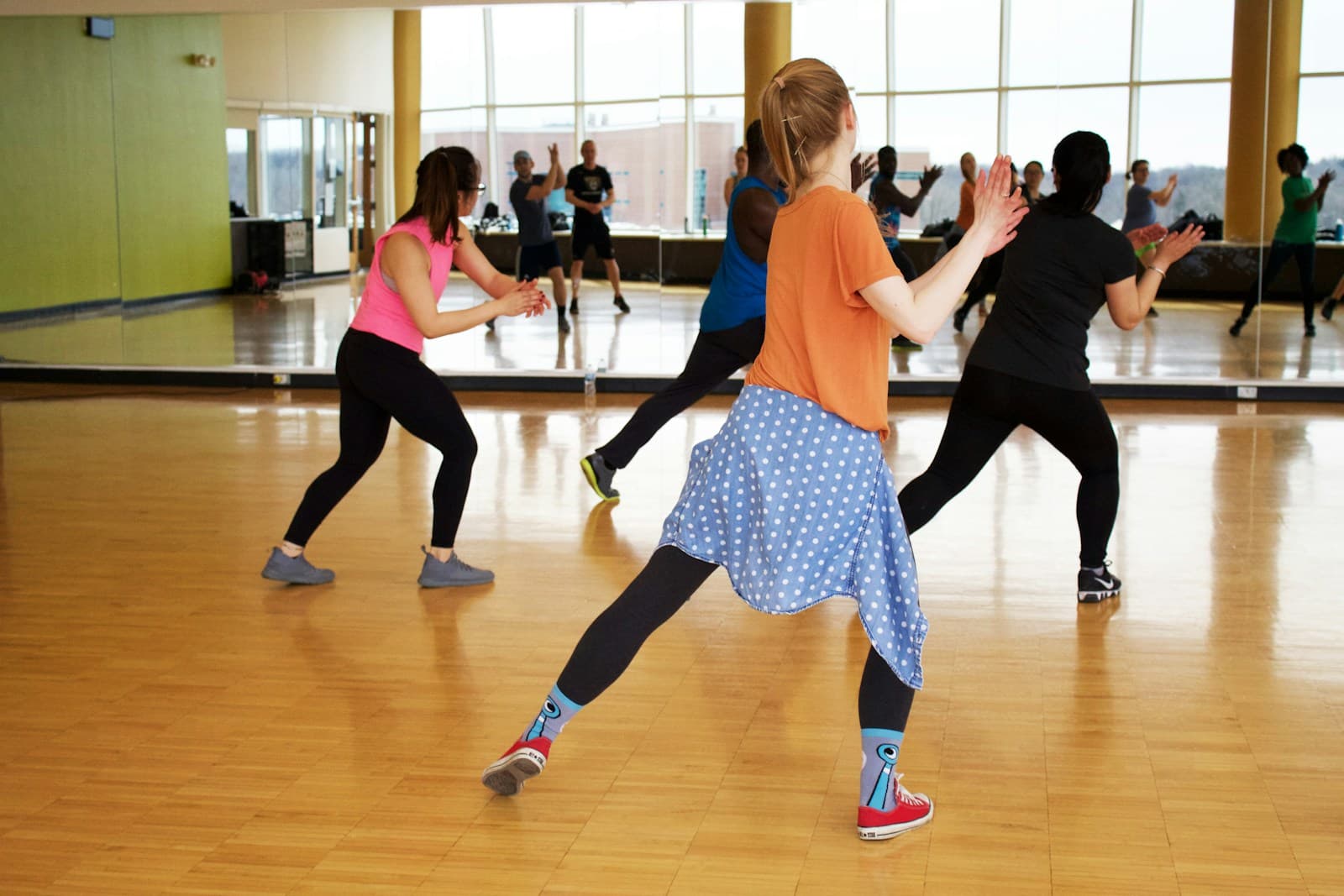
Dance Studio Instagram Marketing: Performance Clips That Fill Enrollment Slots
Short-form performance content strategy for dance studios — what to post, when to post, and how it drives enrollment inquiries.
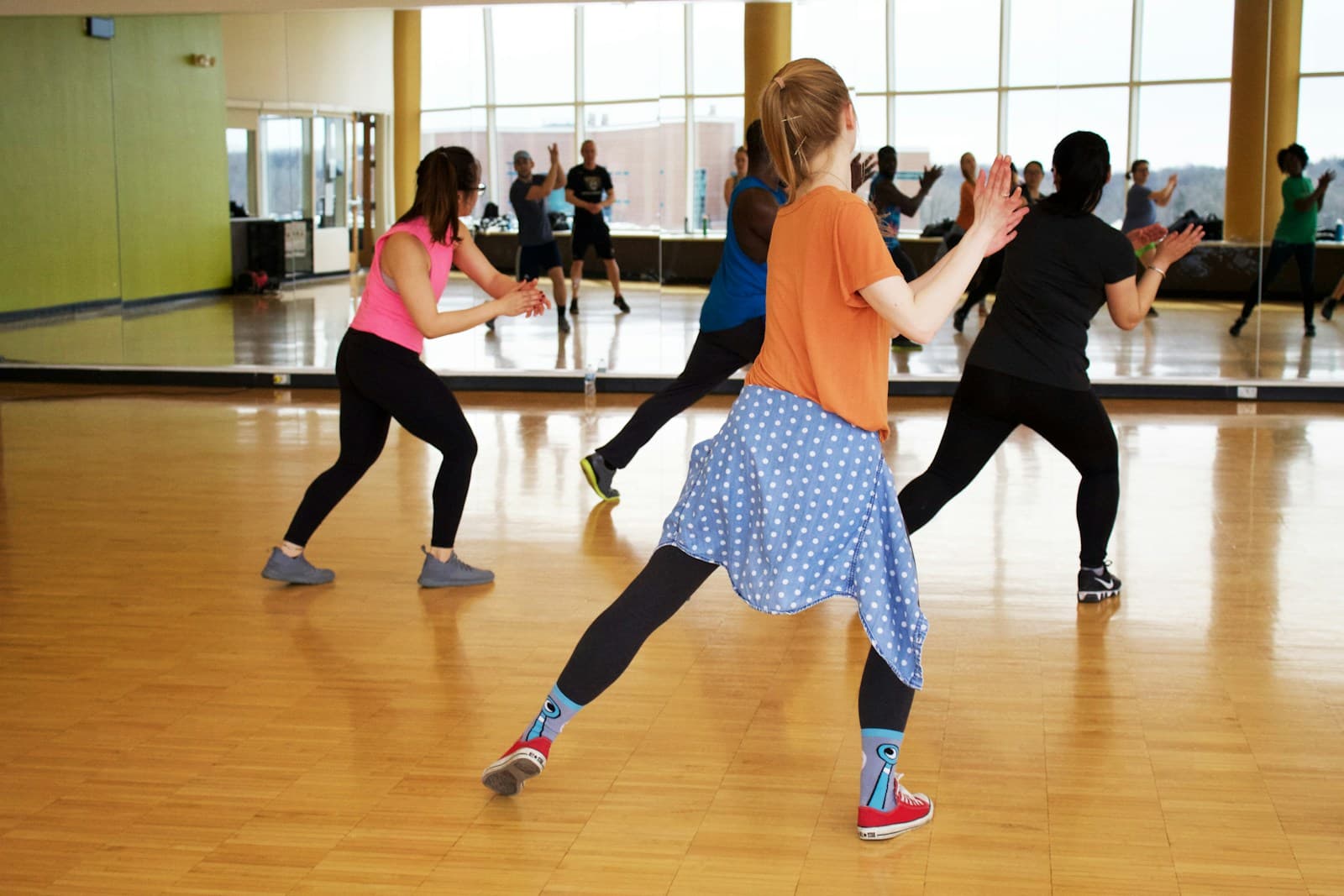
Dance Studio Local SEO: Rank for 'Dance Classes Near Me' Before the Big Studios Do
GBP optimization, discipline-specific service pages, and review cadence that give independent dance studios a local search edge.