Reformer Pilates Pricing: Why It Costs More Than Mat
Reformer Pilates pricing explained by studio operators: why reformer costs more than mat, how wide the price gap should be, and when to raise it.
Reformer Pilates costs more than mat for one structural reason: capacity. A professional reformer, listed at about $3,600 on Merrithew's product page, occupies floor space that would hold two mats, so a room fits half as many paying clients. Halve the heads and the cost per client roughly doubles before the instructor is paid.
TL;DR
- Price the reformer drop-in at roughly double the mat drop-in, then narrow the gap on memberships, not on drop-ins.
- Run the per-spot cost calculation for your own room before setting any price, because rent and instructor pay dominate, not the machines.
- Raise reformer prices on a fill-rate trigger: 90 percent or more in prime slots for six straight weeks with a waitlist of three or more.
Why does reformer Pilates cost more than mat Pilates?
Reformer classes cost more because machines cap the room at six to ten clients, where the same floor space holds sixteen on mats.
A standard reformer needs about three feet by nine feet once the carriage is fully extended, plus a walkway so the instructor can reach every client's springs. A 600-square-foot room that fits sixteen mats with a yoga-studio layout fits eight reformers with a workable aisle. That is the whole economic story in one sentence. The rent for the hour does not change. The instructor's fee does not change. The number of people paying for the hour halves.
There are secondary costs on top. Springs lose tension and get replaced on a rotation. Straps, loops and foot bar grips wear through. Most studios schedule a ten-minute gap between reformer classes for a spring check and full wipe-down, where a mat class turns around in five. Over a twelve-class day that gap alone costs one class slot.
The Pilates studio hub collects the pricing, hiring and retention guides that build on this same constraint.
What does one reformer spot actually cost to run?
Run the arithmetic per class, then per spot at realistic fill, and the answer is usually higher than the owner's gut says.
Worked example: an eight-reformer studio pays $4,500 a month in rent and runs 130 reformer classes a month, so rent is $34.62 per class. Eight reformers at about $3,600 each cost $28,800, amortized over 60 months is $480 a month or $3.69 per class. Spring and strap replacement budgeted at $100 a month adds $0.77. The instructor earns a $50 flat fee. Total cost per class is $89.08. At 75 percent fill, that is six paying clients and a break-even of $14.85 per head. A mat class in the same room at sixteen spots and 75 percent fill has twelve clients and no equipment line, so cost is $84.62 and break-even is $7.05 per head. Same room, same hour, and the reformer break-even is 2.1 times the mat break-even.
The counterintuitive part: the machines contributed $3.69 to an $89.08 class. Owners who justify reformer pricing by pointing at the equipment invoice are arguing the wrong case. The premium is the room, not the machine.
How wide should the price gap between reformer and mat be?
Most studios set the reformer drop-in near double the mat drop-in, which mirrors the halved capacity, then narrow the gap on memberships.
The typical reformer drop-in sits between 1.6 and 2 times the mat drop-in at the same studio (Zatrovo studios, 2026). Studios below 1.5 tend to have underpriced reformer, not overpriced mat. Studios above 2.2 usually run mat as a loss-leader feeder class, which works only if the studio tracks how many mat clients convert to reformer within 90 days.
The floor matters as much as the gap. Mat should still cover the instructor's fee at six heads. If a mat drop-in is $18 and the instructor costs $45, six heads clears it with $63 to spare toward rent. Price mat at $12 to make reformer look reasonable and six heads returns $72, leaving $27 for a class that used the room for an hour.
How should instructor pay shape reformer class pricing?
Reformer instructors cost more than mat instructors, and the pay structure should reward filling the room rather than simply showing up.
The U.S. Bureau of Labor Statistics puts the median hourly wage for fitness trainers and instructors at around $22 an hour. Reformer-certified instructors sit well above that median in most markets, because comprehensive reformer certification takes far longer than a mat certificate and there are fewer of them.
The structure that works for most studios is a flat base per class plus a per-head bonus above a threshold. For example, $40 base plus $3 for every client above five. A full eight-reformer class pays $49. An empty one pays $40. The instructor has a reason to remind their regulars to book, and the studio's exposure on a dead 6 am slot is capped. A common operator ceiling is instructor cost at one third of class revenue at target fill. The full pay-model breakdown is in the guide to Pilates instructor pay.
Which pricing model works best for reformer: drop-in, packs, or memberships?
Reformer studios need all three, but the drop-in exists mainly as an anchor, and memberships are where the reliable margin lives.
The pack discount should stay modest. A 10-pack at 11 percent off a $45 drop-in still yields $40 a class, well above the $14.85 break-even from the worked example. A 25 percent discount looks generous and quietly gives away a third of the margin. The reasoning behind pack sizing and expiry is covered in the guide to Pilates class pack pricing, and the tier structure question in Pilates membership pricing.
How do you explain the reformer price to clients at the front desk?
The front desk answer names capacity, takes one sentence, and never includes the word sorry.
The script that works: reformer is eight people, each on their own machine, with the instructor adjusting springs and form for every one of them, and mat is sixteen. Then stop. Staff who keep talking end up explaining rent and equipment, which invites negotiation.
Two rules for staff. First, no discount is ever offered at the desk. If a discount exists, it exists as a published intro offer with an expiry. Second, when a prospect hesitates on the drop-in, the desk offers the intro pack, not a cheaper class. The intro pack lets the client feel the difference in attention, and attention is what the price buys.
When should you raise reformer class prices?
Raise reformer prices on a fill-rate trigger, not on a calendar, and hold existing members at their rate for 60 days.
The trigger most studios use: prime slots at 90 percent or more of capacity for six consecutive weeks, with a waitlist averaging three or more names. Prime slots are typically 6 to 7 am, 5:30 to 7 pm on weekdays and 9 to 11 am on Saturday. When that pattern holds, the drop-in goes up $2 to $4, members get written notice with a 60-day lock at their current price, and fill rate is re-checked after eight weeks. If prime slots still fill above 85 percent, the increase held.
Demand is on the studio's side. The Health & Fitness Association's 2025 consumer report counted 77 million US fitness facility members in 2024 and reported strong growth in Pilates participation among them, and Athletech News reports Allied Market Research projecting the global Pilates and yoga studio market to reach about $521 billion by 2032. An owner sitting on a six-week waitlist is not charging enough.
Should intro offers be priced differently for reformer?
Reformer intro offers should be a small fixed pack with a short expiry, never an unlimited week, because unlimited weeks burn prime capacity.
A three-class reformer intro priced near two drop-ins, expiring 14 days from purchase, gives the prospect enough sessions to feel the machine and forces a decision while the experience is fresh. An unlimited intro week on reformer lets one prospect occupy five prime spots for the price of two and displaces members who would pay full rate. The conversion mechanics, including the follow-up call within 24 hours of class three, are laid out in the guide to Pilates intro offer conversion.
What pricing mistakes do reformer studio owners make most often?
The common mistakes are underpricing mat to flatter reformer, discounting packs too deeply, and treating the equipment invoice as the pricing argument.
Four patterns show up repeatedly. Pricing mat below its own instructor cost, so the studio subsidizes the cheap product with the expensive one. Setting pack discounts at 20 to 25 percent, which converts the studio's most loyal buyers into its lowest-margin ones. Offering a blended unlimited membership that sends every client to the reformer schedule. And justifying the price with the machine cost, when the worked example above shows the machines at under 5 percent of class cost.
The fix for all four is the same: run the per-spot cost for your own room, set the reformer drop-in at roughly double mat, keep pack discounts near 10 percent, and let fill rate, not the calendar, decide when the price moves.
Run your studio on Zatrovo
See fill rate and waitlist depth per reformer slot, so the price increase trigger fires on data instead of guesswork.

We write playbooks for studio operators — based on data from thousands of studios running on Zatrovo across pilates, yoga, lash, nail, massage, salon, dance, and fitness.
Related reading
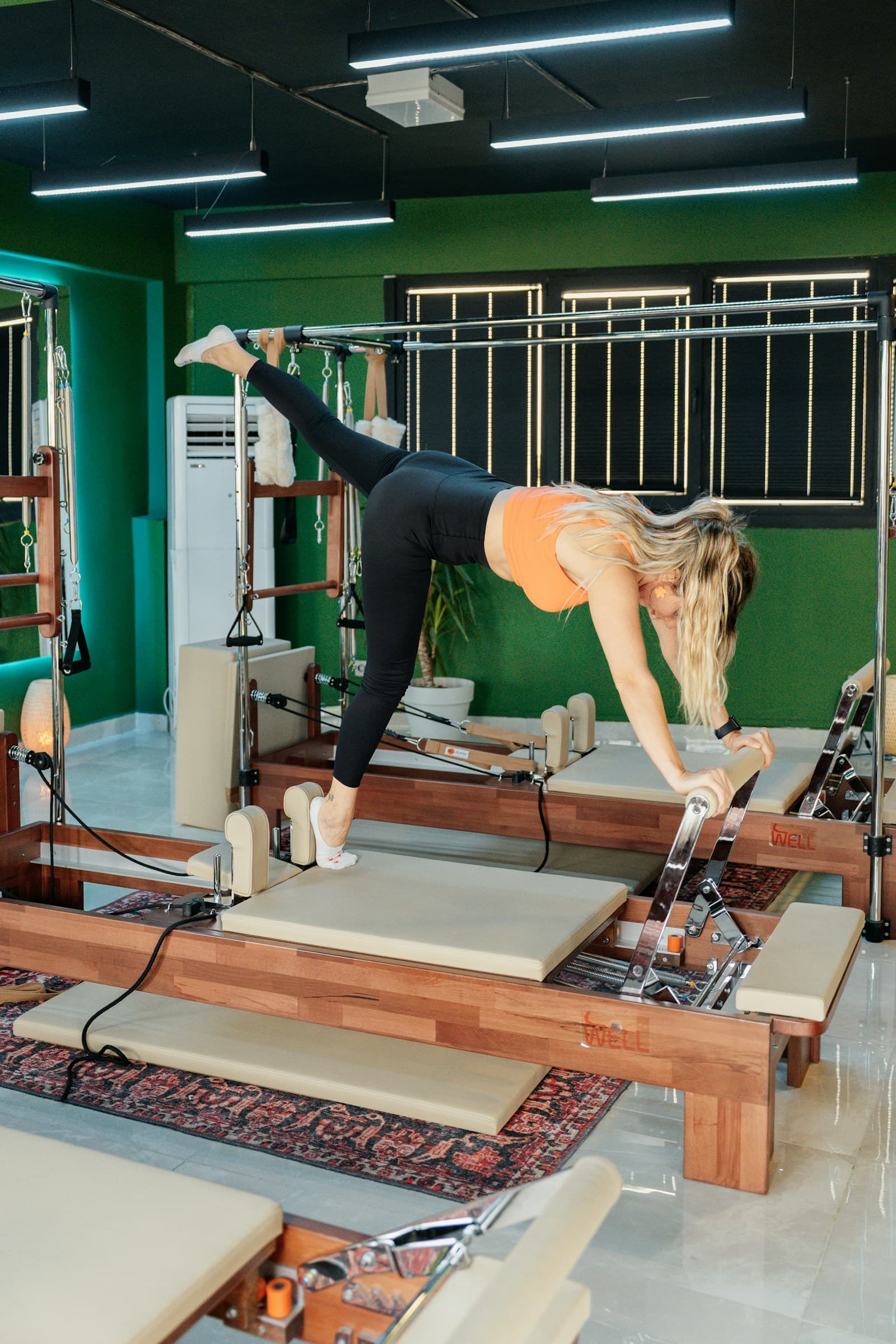
Pilates Class Pack Pricing: Real Benchmarks from 300+ Studios
What pilates studios charge for 5, 10, and 20-class packs in 2026 — with margin math that works.
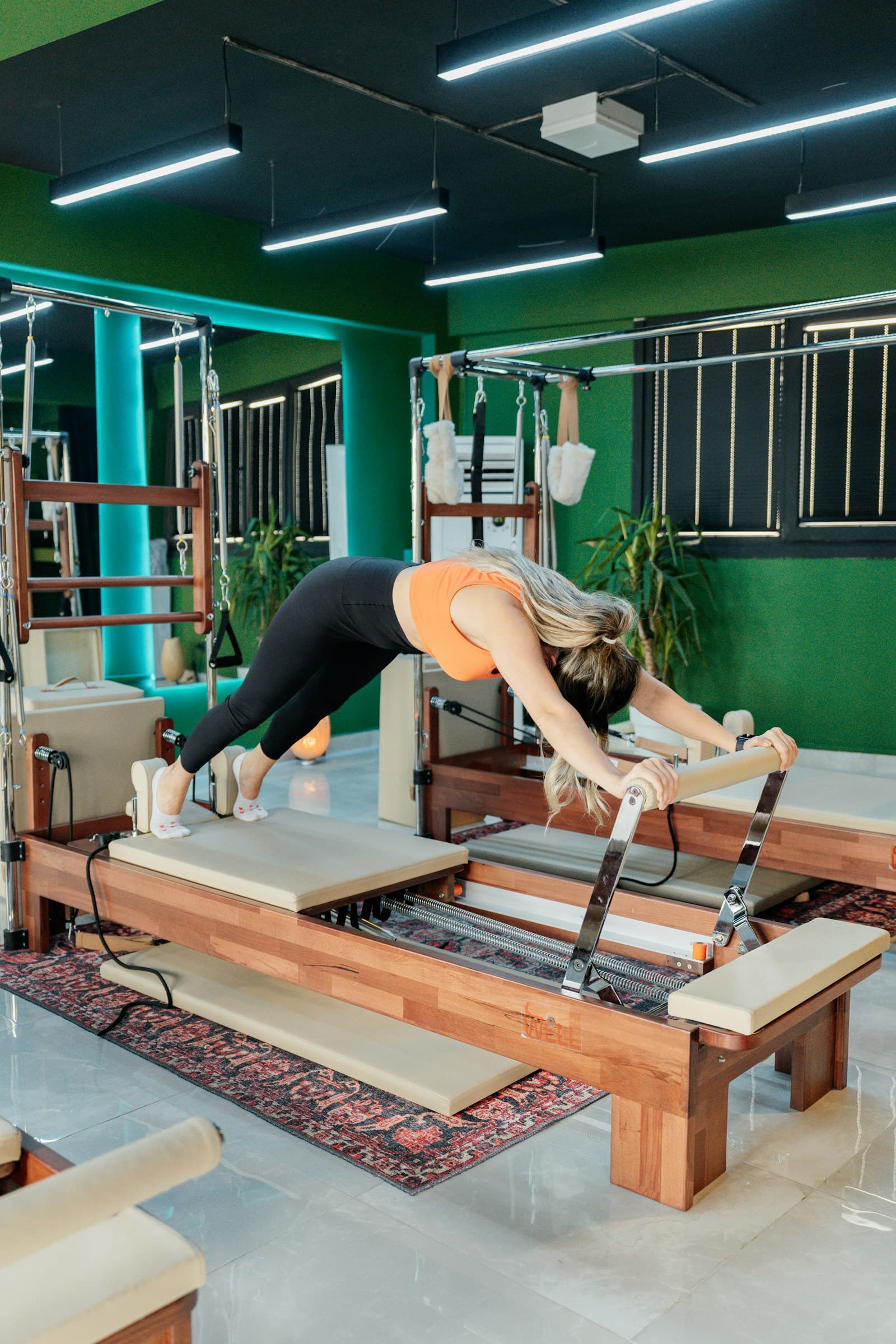
Pilates Private Session Pricing: 1:1 vs Duet vs Semi-Private
Price points, instructor splits, and booking rules for private, duet, and semi-private pilates sessions.
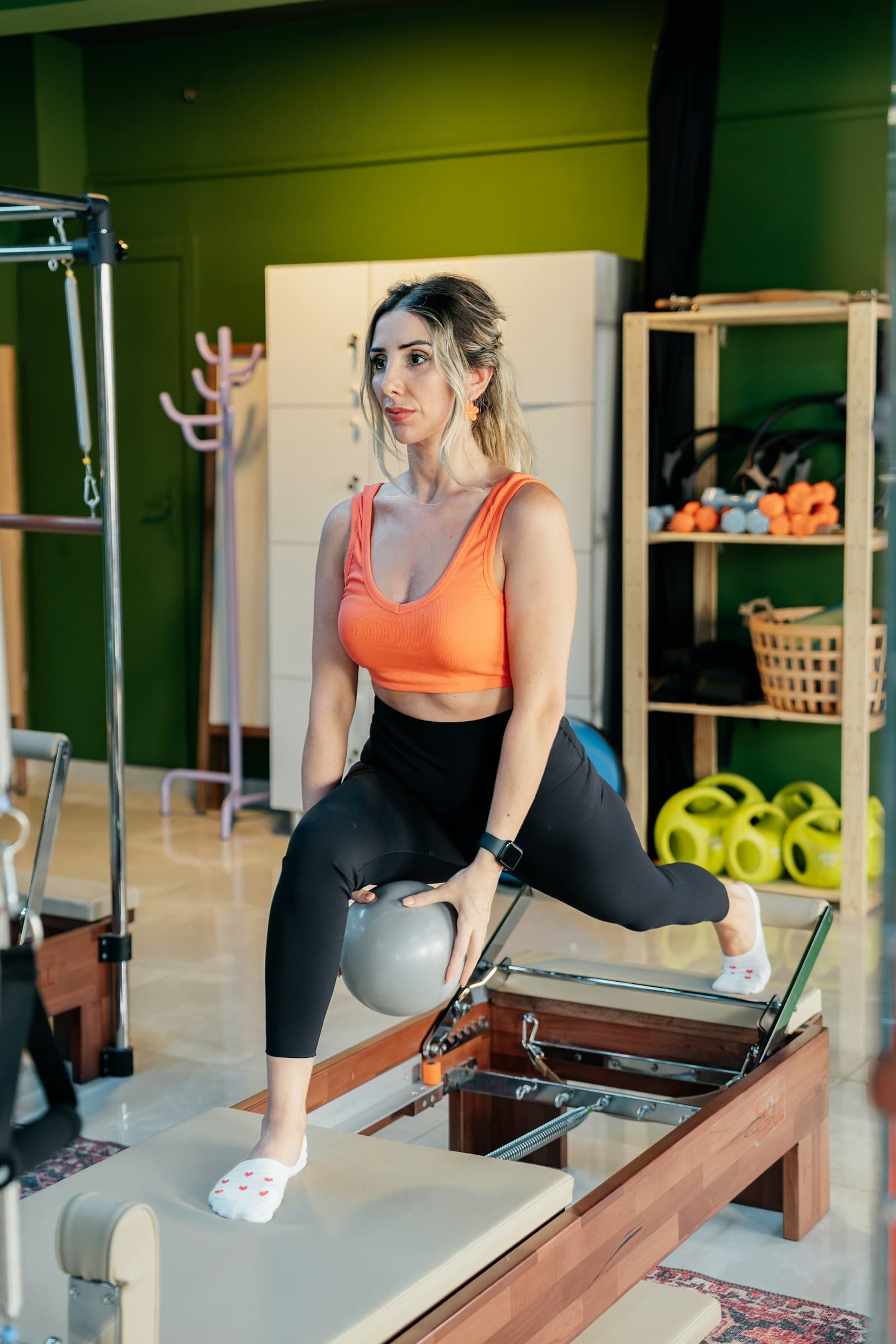
Pilates Membership Pricing Models Compared
Unlimited vs capped vs tiered — the pilates membership model that retains, with pricing math.