Adult Dance Classes: Is the Demand There for Your Studio?
Should your studio offer adult dance classes? Use the Room-List-Floor Test to check demand, price an 8-week series, and fill dead studio hours.
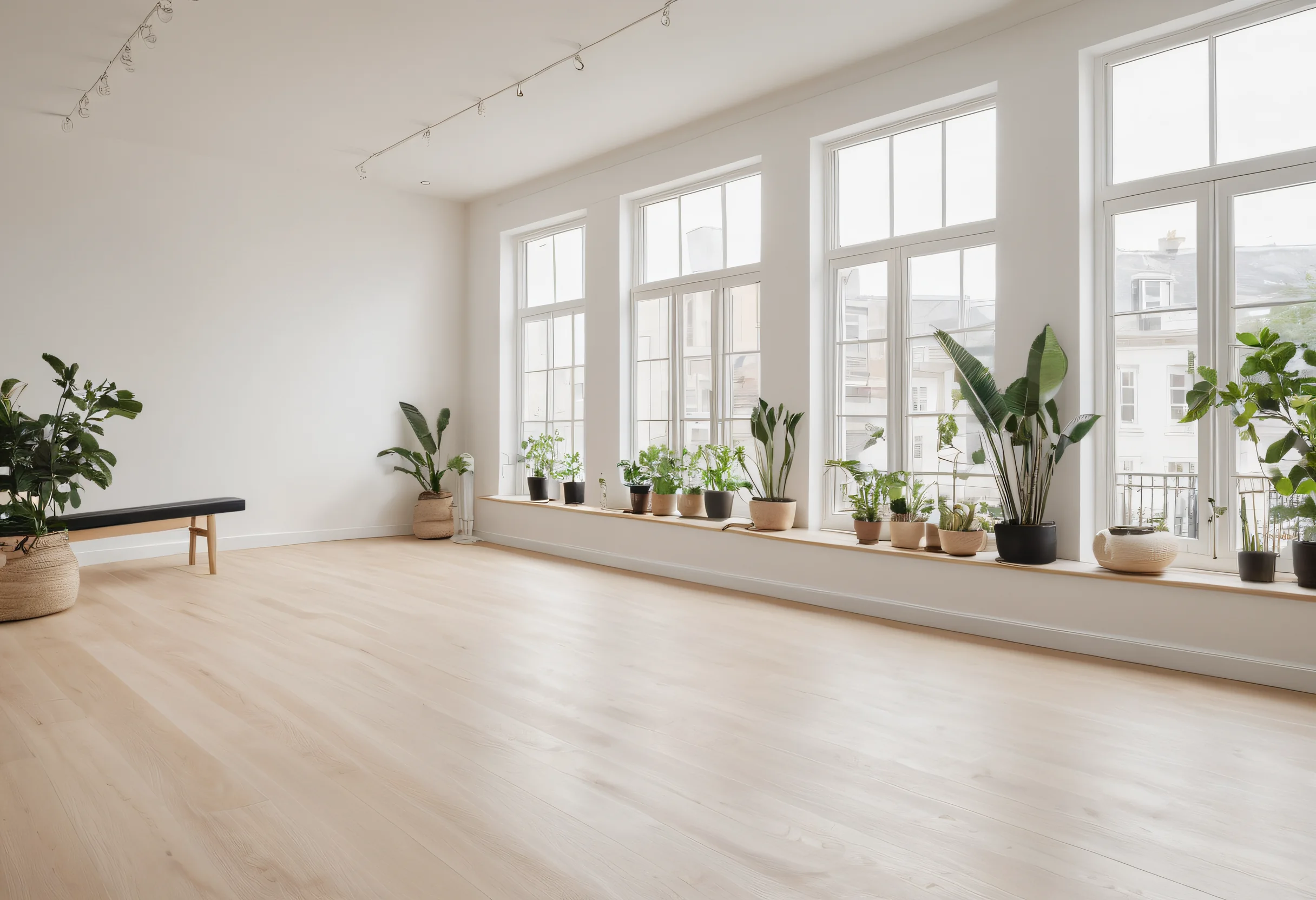
Yes, most dance studios should offer adult classes, but only after the idea passes the Room-List-Floor Test. You need an empty room in a dead hour, a warm list of at least 25 interested adults, and a floor of six paid students per section. Skip any of the three and the class tends to stall before it pays for itself.
TL;DR
- This week, mark every room-hour on your fall schedule that has no class between 9 a.m. and 3 p.m. on weekdays or after 8 p.m. Those are your adult slots.
- Send current parents a one-question interest email and leave it open for 14 days. Do not schedule anything until you have 25 names.
- Sell an 8-week prepaid series, and set a go or cancel date seven days before week one with a six-student minimum.
Should a dance studio offer adult classes at all?
Usually yes. Adults already dance socially in large numbers, but demand at your address still needs local proof.
The National Endowment for the Arts' Survey of Public Participation in the Arts reports social dancing as one of the most common ways US adults make art themselves. Many of those adults dance at weddings and parties, not in a class. That gap is your opening: interest exists, but many adults have no structured place to dance.
The health angle helps your marketing. The CDC says adults need 150 minutes of moderate-intensity activity a week plus two days of muscle strengthening. Yet the NCHS reports that only 24.2% of adults met both guidelines in 2020, and the share for women was 20.4%. A weekly 60-minute class covers 60 of those 150 minutes. Put that in the listing in plain words.
What is the Room-List-Floor Test?
It is a three-gate check: an empty room in a dead hour, a list of 25 interested adults, and six paid students minimum.
Room. Print last season's schedule grid. Shade every room-hour that had a class, and leave the dead hours blank. In most youth studios the blank cells cluster on weekday mornings and after the last junior class. If the only open slot means bumping a Level 2 jazz class, stop here.
List. Add one question to your next parent newsletter: "Would you take an adult class? Tap, ballet basics, hip hop, or no thanks." Put a clipboard at the front desk with the same four boxes. Close it after 14 days. Plenty of names drop off once payment is due, so treat 25 as a rule-of-thumb minimum that gives you a cushion to reach six paid seats.
Floor. Publish the start date, then set an internal go or cancel date seven days earlier. If fewer than six have paid by then, refund the same day, tell everyone the class will reopen next series, and keep every name.
Which time slots work for adult dance classes?
Weekday mornings from 9:30 and late evenings after 8 p.m. tend to work best, because those rooms sit empty while youth classes own afternoons.
A 9:30 a.m. start lets parents finish school drop-off, and those classes often draw parents of preschool students. An 8:00 or 8:15 p.m. start catches working adults once the last junior class clears the floor. Leave a 15-minute buffer so adults do not walk in on a class still bowing out.
Many owners miss one move: parallel scheduling. Put a beginner adult class in Studio B at the same hour as a popular youth class in Studio A. Those parents are already in the building, and many would rather dance than sit in the lobby for 60 minutes. For more on room-grid planning, see the guide to building a dance studio class schedule.
Which styles should a studio offer adults first?
Start with beginner tap, ballet basics, or a choreography-of-the-week format, because new adults buy low-embarrassment entry points well before technique-heavy classes.
Adult students tend to fall into three groups:
- Beginners have never danced. They pick tap, hip hop, or a fun choreography class where nobody is graded.
- Returners danced through their teens and want ballet or jazz technique back. They get bored fast in a true beginner room.
- Parents usually want the style their child takes, so they can practice together in the kitchen.
Put the level in the class name, for example "Adult Ballet: Never Danced" and "Adult Ballet: Returning Dancer." Write the dress code in one line: "Leggings, a T-shirt, and socks. No leotard required." For tap, keep four or five loaner pairs in common adult sizes so nobody has to buy shoes before they know they like the class.
How should you price adult dance classes?
Price adult classes as a prepaid 8-week series near your youth hourly rate, then check that six students cover teacher pay at least twice over.
A heavy discount for adults is a mistake. Adults pay their own way, they compare you to the boutique fitness studio down the street, and a low price makes the class look like a side project. Use the same rate logic covered in the dance class pricing guide, then run the arithmetic below.
Worked example (illustrative numbers): An 8-week, 60-minute adult tap series priced at $144 is $144 ÷ 8 = $18 per class. A teacher at $40 per hour plus about $10 per hour of marginal costs (lights, HVAC, card fees) makes each class cost $50, so break-even is $50 ÷ $18 = 2.8, or 3 students. At the six-student floor, weekly revenue is 6 × $18 = $108, the contribution is $108 − $50 = $58 per class, and the series nets $58 × 8 = $464.
At six students, the $108 weekly revenue covers the $40 teacher wage 2.7 times, which passes the twice-over test. Every seat past six is close to pure margin until the room hits its cap. For adults, a cap around 14 in a standard room is sensible, because adults need more floor space than 8-year-olds. Swap in your own rate and teacher pay before you publish a price.
Should adult classes be a series, drop-in, or season enrollment?
Use a 6 to 8 week series for beginners. Adults miss weeks, and a series with a start date gives everyone the same restart point.
Allow one make-up per series in any adult class at the same level. It costs you nothing in a room that has spare spots, and it removes a common reason adults give for not signing up.
How do you market adult classes without a big budget?
Market to the parents already in your lobby first. A one-question email and a lobby sign-up sheet cost nothing and can often fill a first section.
Work in rings. The first ring is current parents. The second ring is alumni: pull the names of students who graduated or aged out over the past five years, because they are your returners. The third ring is friends. In week three of each series, give every adult one free guest pass for a friend.
Hold off on paid social ads until a section has run once. You want photos of real adults in your room, not stock images, and a first section gives you that.
Should adults perform in the recital?
Make recital participation optional and opt-in by a fixed deadline, because many adults joined to dance, not to buy a costume and perform.
Set the adult opt-in deadline two weeks before your youth costume order deadline so the adult number can never hold up the main order. Keep the costume to one purchased piece worn over each dancer's own black base. Place the number right before intermission, where watching parents dance tends to get a big reaction from the kids in the audience. Adult performers also bring their own ticket buyers: partners, coworkers, and grandparents who might not otherwise come. The recital planning guide covers the timeline that this deadline plugs into.
How do you keep adult students past the first session?
Open re-enrollment for the next series before the current one ends, with a held spot, because the final weeks decide who comes back.
Run a simple 6-7-8 re-enrollment sequence. In week 6, the teacher announces the next series at the end of class. In week 7, the front desk takes enrollments in person, and each current student's spot is held. In week 8, send a last call by text, and release unclaimed spots 48 hours after the final class.
Keep the gap between series to one week at most. A two-week gap gives an adult time to fill that evening with something else. Watch attendance too: when an adult misses two classes in a row, text them within 24 hours. A short "we missed you, here is what we covered" message tends to bring back more people than a reminder sent after the series ends.
Build a visible next step so the class has somewhere to go. "Beginner Tap 1" should lead into "Beginner Tap 2," which leads into a season-long adult tap group. You can find more playbooks like this in the dance studio resource hub.
Run your studio on Zatrovo
Run adult series with prepaid 8-week billing, held re-enrollment spots, and waitlists in one place.

We write playbooks for studio operators — based on data from thousands of studios running on Zatrovo across pilates, yoga, lash, nail, massage, salon, dance, and fitness.
Related reading
Dance Studio Class Scheduling: Fixing the Age-Group Conflicts That Empty Your Rooms
The scheduling conflicts specific to dance studios — age overlaps, discipline room collisions, recital rehearsal blocks — and how to resolve them.

Studio Attendance Reports: The Weekly View That Spots Schedule Problems Before Members Notice
How to structure and read weekly attendance reports — class-level, instructor-level, and member-level — to catch schedule and retention issues early.
Dance Studio Auto-Pay: Reducing Late and Missed Payments
Dance studio auto pay tuition collection: draft dates, card vs ACH fees, failed payment recovery, and how to keep costume charges out of tuition.