Esthetician Appointment App: Features That Cut No-Shows
An esthetician appointment app should cut no-shows, not just fill a calendar. Here are the features, rules and timings that protect your treatment room.
The best esthetician appointment app cuts no-shows with three locks we call Hold, Confirm, Backfill. Hold the slot with a card or deposit. Confirm it on a fixed reminder schedule. Backfill any opening from a waitlist within hours. A feature that does none of the three is nice to have, but it won't fix no-shows.
Why does a no-show hurt an esthetician more than a gym?
A treatment room serves one client per hour or longer, so an empty slot is revenue you cannot recover by squeezing extra clients in.
A spin class with one empty bike still runs. A 75-minute facial with no client brings in nothing for 75 minutes. And you have already done the prep: towels warmed, bed made, products out.
The Bureau of Labor Statistics counts a large share of skincare specialists as self-employed. For a solo esthetician, nobody else covers the gap or chases the client. The app is the front desk.
Here's an illustration. Three no-shows a week on a $120 facial comes to $360 a week, or $18,720 over 52 weeks. Swap in your own prices and no-show count, and that figure is what your booking software is protecting.
What reminder schedule actually gets clients to show up?
Use three messages at fixed times: a confirmation request at 72 hours, prep instructions at 24 hours, and a short arrival note at 2 hours.
Each message has a job. The 72-hour message asks for a reply, not just a read: "Reply C to confirm or R to reschedule." That timing leaves room to rebook the slot if they cancel. The 24-hour message carries prep instructions, like pausing retinoids before a peel or arriving without eye makeup for a lash lift, if your protocol asks for it. The 2-hour message covers parking, door codes and which suite you're in.
The evidence base is healthcare, not spas. A Cochrane systematic review of mobile phone reminders found attendance rose from 67.8 percent with no reminder to 78.6 percent with text reminders. Treat that as a direction to follow, not a promise for your room.
Should a text reminder replace a phone call?
For routine bookings, yes. Calls work about as well as texts on average, so save them for clients who have gone quiet.
In the same Cochrane review, texts and calls produced similar attendance: 78.6 percent versus 80.3 percent. Two of the included studies found the cost per attendance for texts was 55 percent and 65 percent lower than for calls.
A call is wasted on a client who already replied "C." Set the app to flag anyone still unconfirmed at 20 hours out, then make those calls in one block at a set time, like 10 a.m. A two-minute call to a wavering client can turn a no-show into a reschedule.
How much deposit should you take, and for which services?
Keep a card on file for every booking. Take a 25 to 50 percent deposit only from first-timers, long services, and anyone who has missed before.
A flat deposit on everyone punishes your best regulars. A client who has booked a monthly facial for two years has earned a card-on-file booking with no deposit. A new client booking a 90-minute microneedling session online at 11 p.m. has not.
Your app should let you set deposit rules by service and by client tag, not just a single switch for the whole account. Test this before you buy, because some tools only offer one deposit setting for every service.
What does "confirm to hold" look like in practice?
An unconfirmed booking stays on the calendar but gets marked at risk. The app flags it, you call it, and you release it only by rule.
Here's the procedure. If there's no reply to the 72-hour request, the app resends at 48 hours. If there's still no reply at 20 hours, the booking turns amber and goes on your call list. Release a slot automatically only for clients with two or more past no-shows, and only after 12 hours of silence. Auto-releasing everyone else angers loyal clients who just don't text back.
How fast should a waitlist fill a canceled slot?
Within hours. Offer the slot to three waitlisted clients at once, give them a 15-minute claim window, and let the first to claim it take it.
If you offer the slot to one client at a time, it ages while you wait. With an hour's window per person, a 2 p.m. cancellation at 9 a.m. runs through five people and the slot can easily go empty. Batches of three with a short window give you a much better chance of filling it before lunch.
Match the offer on duration and room, not just the service name. A 75-minute facial client won't fit a 30-minute dermaplane opening, but a 75-minute opening can hold two 30-minute dermaplane clients. A good app sends the waitlist offer automatically the moment the cancellation lands, with no front-desk step.
Why do intake forms belong in a no-show conversation?
A client turned away on the day for a contraindication costs you the same empty slot as a no-show. That's a no-show under a different name.
Imagine a client arrives for a chemical peel and mentions on the bed that she started a new prescription retinoid last week. You can't treat her. The room sits empty for an hour.
Send the intake form with the booking confirmation, not at check-in. If it isn't done 48 hours out, send a reminder. Have the app flag answers that block the service, such as a recent retinoid start inside your protocol's pause window before a peel, so you can reschedule two days early instead of turning her away at the door.
How should the app enforce your cancellation policy?
The app should time-stamp policy acceptance at booking and let you charge the fee in one tap within 24 hours of the missed appointment.
A workable policy: 24 hours' notice for services under 60 minutes and 48 hours for longer ones. Waive the first offense, record the waiver on the client profile, and charge the second. Call every no-show within 2 hours, not the next day. A same-day call catches the client while the missed slot is still on their mind, which makes a rebooking far more likely than a next-day voicemail. For scripts your team can use on those calls, see our guide to beauty studio front desk training.
Which features look useful but rarely reduce no-shows?
Loyalty points, social feeds and wide booking windows look good in demos but do little for the client who forgets.
The one that backfires is the open booking window. Let clients book 12 weeks out and you'll get a block of far-off appointments booked on impulse. Plans change in 12 weeks. Cap online booking at 6 to 8 weeks, or send an extra "still good?" check at 7 days for anything booked more than a month ahead. Loyalty matters for retention, which we cover in beauty client retention, but it's a separate problem.
How do you test an esthetician appointment app before switching?
Book yourself as a new client on your phone during the trial, then cancel, no-show and rejoin the waitlist to see what each tool actually does.
If you're also comparing calendar layouts and room setups, see beauty studio scheduling.
What numbers should you track after you switch?
Track four rates for each fixed calendar month: no-shows, late cancellations, backfilled slots and fees collected. Judge the change by months two and three.
Calculate each rate as a share of appointments booked in that month. Don't compare it to a running total that keeps growing. Month one usually looks off because clients booked under the old system are still coming through. If no-shows drop while late cancellations rise, that's still progress, because you can backfill a late cancellation and you can't backfill a no-show.
Run your studio on Zatrovo
Card holds, two-way confirmations and automatic waitlist backfill, set up per service for your treatment rooms.

We write playbooks for studio operators — based on data from thousands of studios running on Zatrovo across pilates, yoga, lash, nail, massage, salon, dance, and fitness.
Related reading
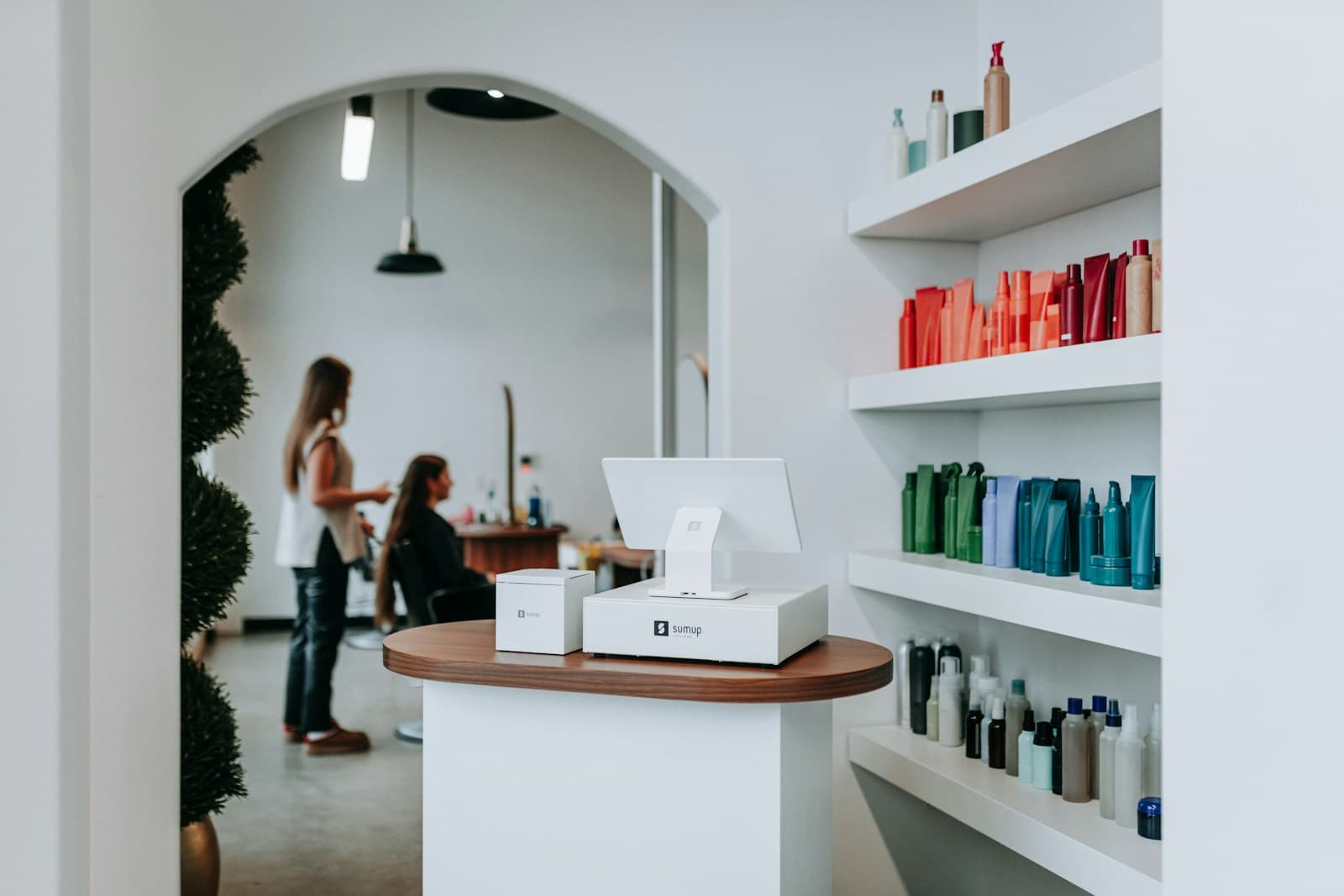
Beauty Studio Booking Software: Intake Forms, Consent Capture, and Retail Tracking in One Place
The booking features specific to beauty studios — digital intake forms, treatment contraindication flags, and retail purchase tracking.
Tattoo Studio Booking Software: Deposits, Consults, Schedules
Tattoo studio booking software that handles deposits, consults, and artist schedules: exact policies, reminder timings, and record rules that hold up.

Spa Booking Software: Features That Protect High-Value Appointments
Spa booking software should protect your highest-value slots. Here are the deposit rules, reminder timings, and gap-filling steps that actually work.