Hiring Beauty Therapists: The Skills Test That Goes Beyond the Certificate
A practical skills assessment — facial pressure, skin analysis, and client communication — that reveals the therapist quality certificates don't confirm.
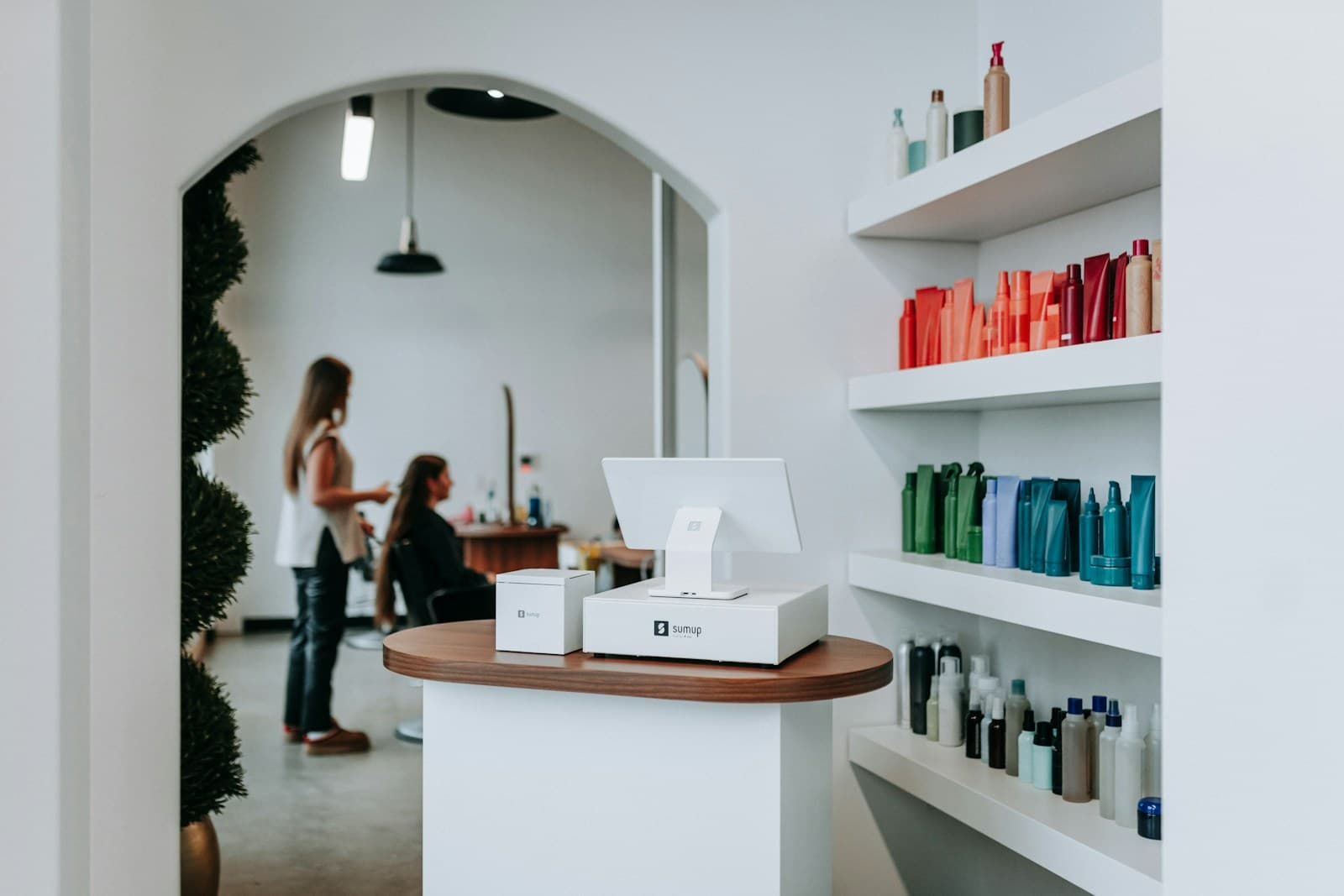
A certificate shows minimum training hours. Hands-on pressure technique, the ability to read skin conditions accurately, and the communication that converts a first visit into a long-term client relationship are what actually produce the rebooking rate — and none of those are tested at state board level.
What Does State Licensure Actually Confirm?
State licensure confirms that a candidate completed the required training hours, passed the written theory exam, and demonstrated a practical competency at the time of their board exam. It's a baseline, not a quality metric.
The board practical is typically a standardized procedure in controlled conditions. It confirms the candidate knows the fundamental sequence. It doesn't evaluate their pressure technique under conditions that vary by client, their ability to identify a Fitzpatrick Type IV skin correctly, or how they handle a client who starts crying mid-facial.
What Is the Four-Part Skills Assessment?
The Four-Part Skills Assessment evaluates the competencies that drive client retention independently of the certificate.
Part 1: Skin Analysis (10 minutes) Present the candidate with a real client or volunteer (preferably with a moderately complex skin profile — not all-clear, not severe). Ask them to complete an intake consultation and provide their skin analysis aloud. Evaluate: do they identify skin type correctly? Can they articulate the reasoning behind product recommendations? Do they catch any contraindications?
Part 2: Product Knowledge Quiz (5 minutes) Show 3–4 of your studio's core treatment products and ask the candidate to explain the active ingredients, their function, and which client profile they're best suited for. This tests whether their product knowledge is genuine or nominal.
Part 3: Treatment Delivery (20–25 minutes) Observe a condensed facial treatment — cleanse, analyze, mask, massage. Specifically watch: pressure consistency and appropriateness, treatment sequencing, communication during the treatment ("I'm moving to your jawline now — let me know if the pressure is uncomfortable"), and time management.
Part 4: Results Communication and Rebooking (5 minutes) Observe the close. Does the candidate explain the results they've achieved? Do they make a specific homecare recommendation? Do they naturally move toward a rebooking suggestion?
How Do You Score Pressure Technique Objectively?
Pressure is the most commonly cited issue in beauty client complaints — too light, too heavy, or inconsistent within a single treatment. It's also the skill that's hardest to evaluate from observation alone.
Use a volunteer who can provide real-time feedback. Instruct them to rate pressure 1–5 (1 = too light, 3 = perfect, 5 = too heavy) at three checkpoints during the treatment. Their feedback is more reliable than your visual observation.
Watch for pressure drift: a therapist who starts at a 3 and gradually increases to a 4–5 over 20 minutes has an unconscious tendency to over-pressure under fatigue or focus. This is correctable but must be identified first.
Extraction technique (if applicable) should be assessed with a second volunteer or explicitly excluded from the trial if your studio style doesn't include it.
What Sanitation Knowledge Should You Verify?
Sanitation is a licensing risk and a client trust risk. Ask every candidate to walk through their pre-treatment setup procedure from scratch.
The checklist to verify:
- Correct disinfectant selection (EPA-registered, appropriate for implements vs surfaces)
- Immersion time for reusable implements (typically 10 minutes in disinfectant solution)
- Single-use items disposed between clients (lancets, gauze, extraction tips)
- Hand hygiene protocol: wash before donning gloves, glove change between clients
- Bed sanitation: table paper changed, headrest cover changed, bolster cover changed
A candidate who hesitates on immersion time or doesn't mention glove protocol has gaps that need to be closed before they work independently with your clients.
What Probation Structure Produces Clear Decisions?
The 90-day probation should track three metrics:
Client rebooking rate. Are the therapist's clients returning? Track per-therapist monthly. Benchmark against studio average.
Retail attachment rate. Are they recommending and converting homecare products? Low attachment suggests the client close isn't happening.
Client satisfaction signals. Any complaints, direct feedback, or review mentions (positive or negative) specific to their treatments.
Define the threshold before probation starts: rebooking rate above 45%, zero sanitation incidents, at least 2 positive client feedback mentions. This creates an objective review conversation at day 90.
For the broader operations framework, see the beauty studio numbers guide and the beauty studio operations manual. The instructor contracts guide covers the employment terms that apply across studio types.
Run your studio on Zatrovo
Manage beauty therapist schedules, client records, and performance metrics in one platform.
Sources:
- National Coalition of Estheticians (NCEA): State licensing requirements — state-by-state licensure reference
- Associated Skin Care Professionals (ASCP): Standards of practice — sanitation and professional standards

We write playbooks for studio operators — based on data from thousands of studios running on Zatrovo across pilates, yoga, lash, nail, massage, salon, dance, and fitness.
Related reading
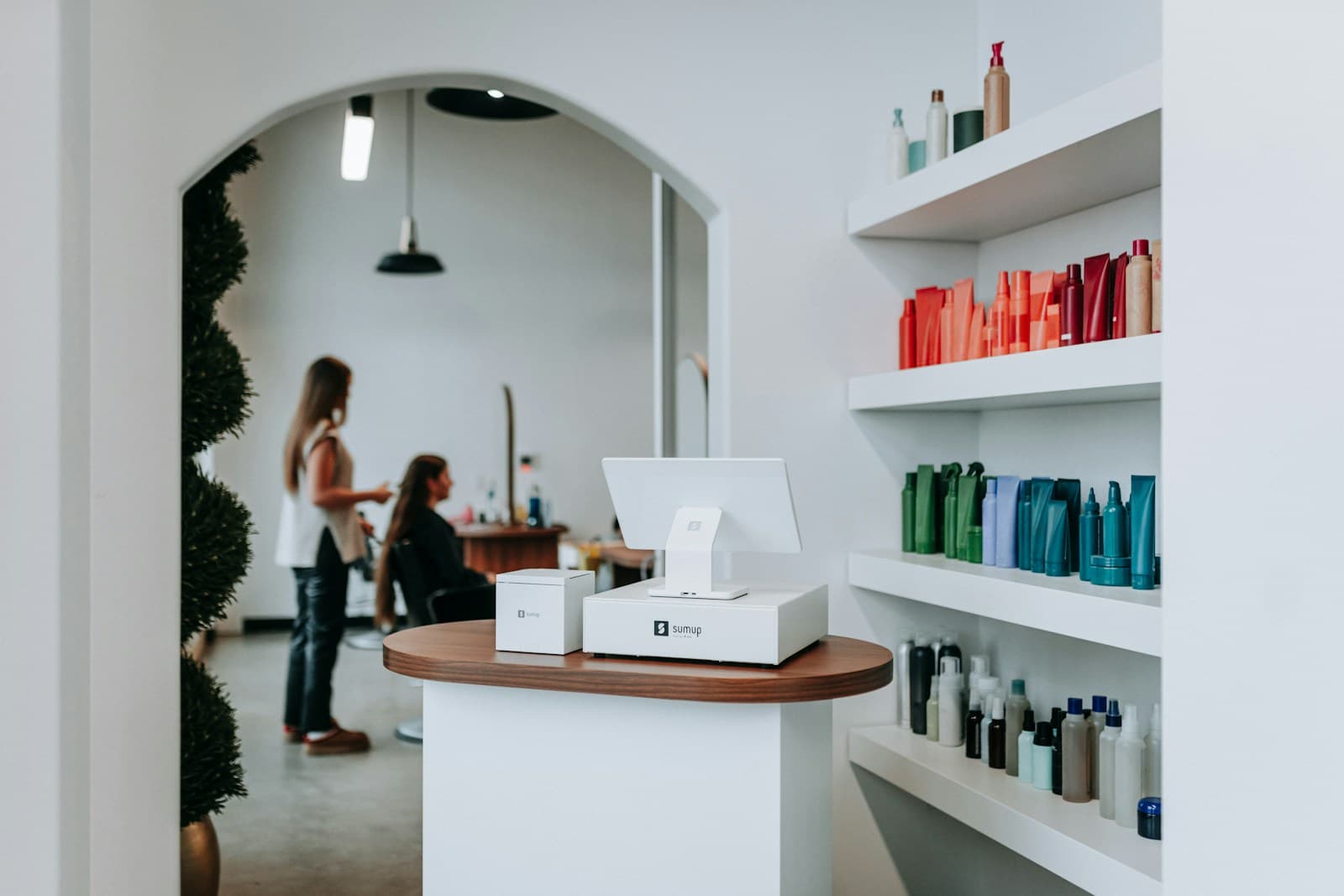
Beauty Studio Referral Programs: Skin-Goal Pairing That Converts Referrals Into Long-Term Clients
Referral mechanics that pair new clients with a skin goal matching the referrer's experience — creating a shared outcome that retains both.
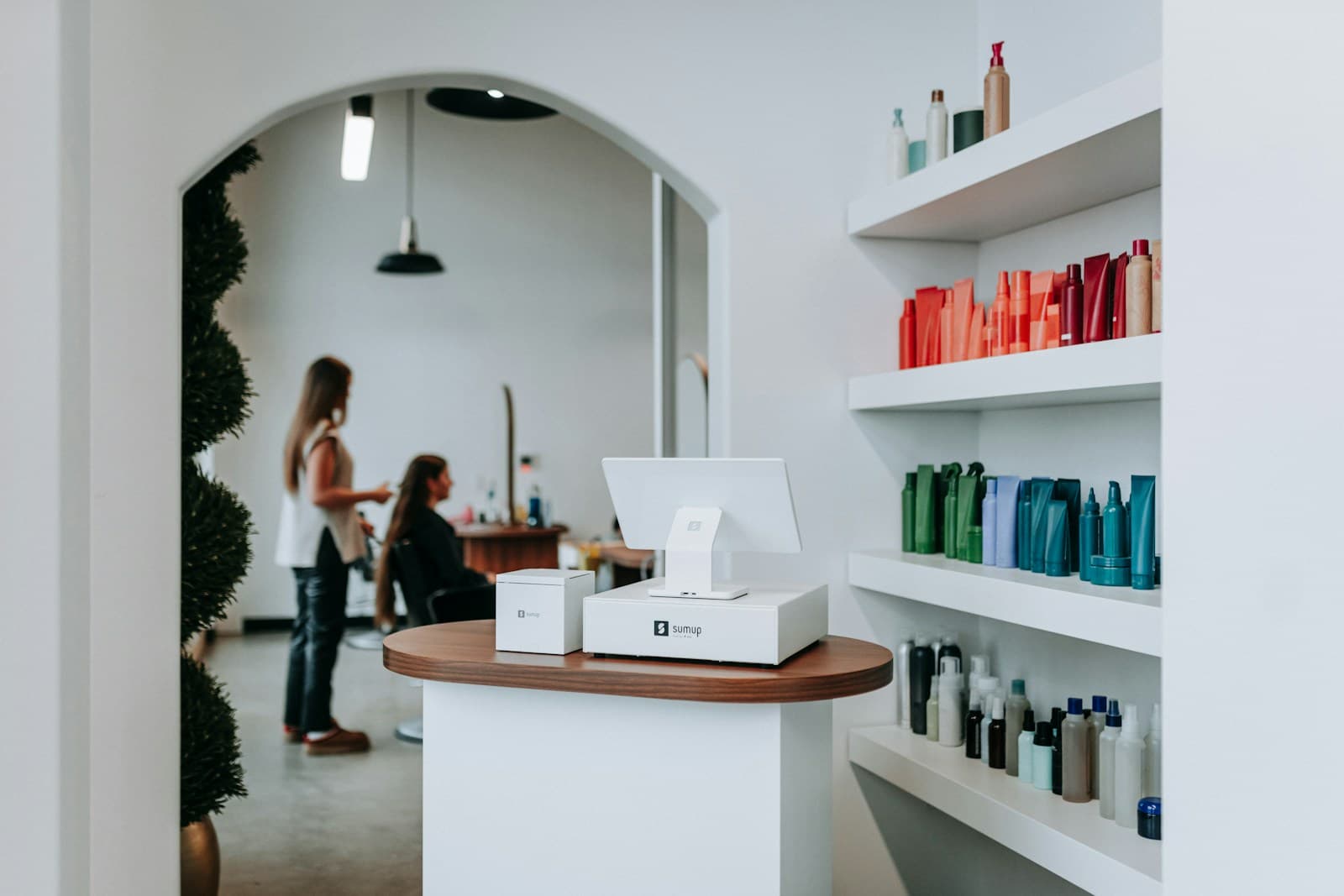
Skincare Consultation Systems: The 10-Minute Assessment That Sells the Treatment Series
A structured consultation format — skin analysis, goal mapping, and treatment plan — that converts single-visit clients into multi-treatment commitments.
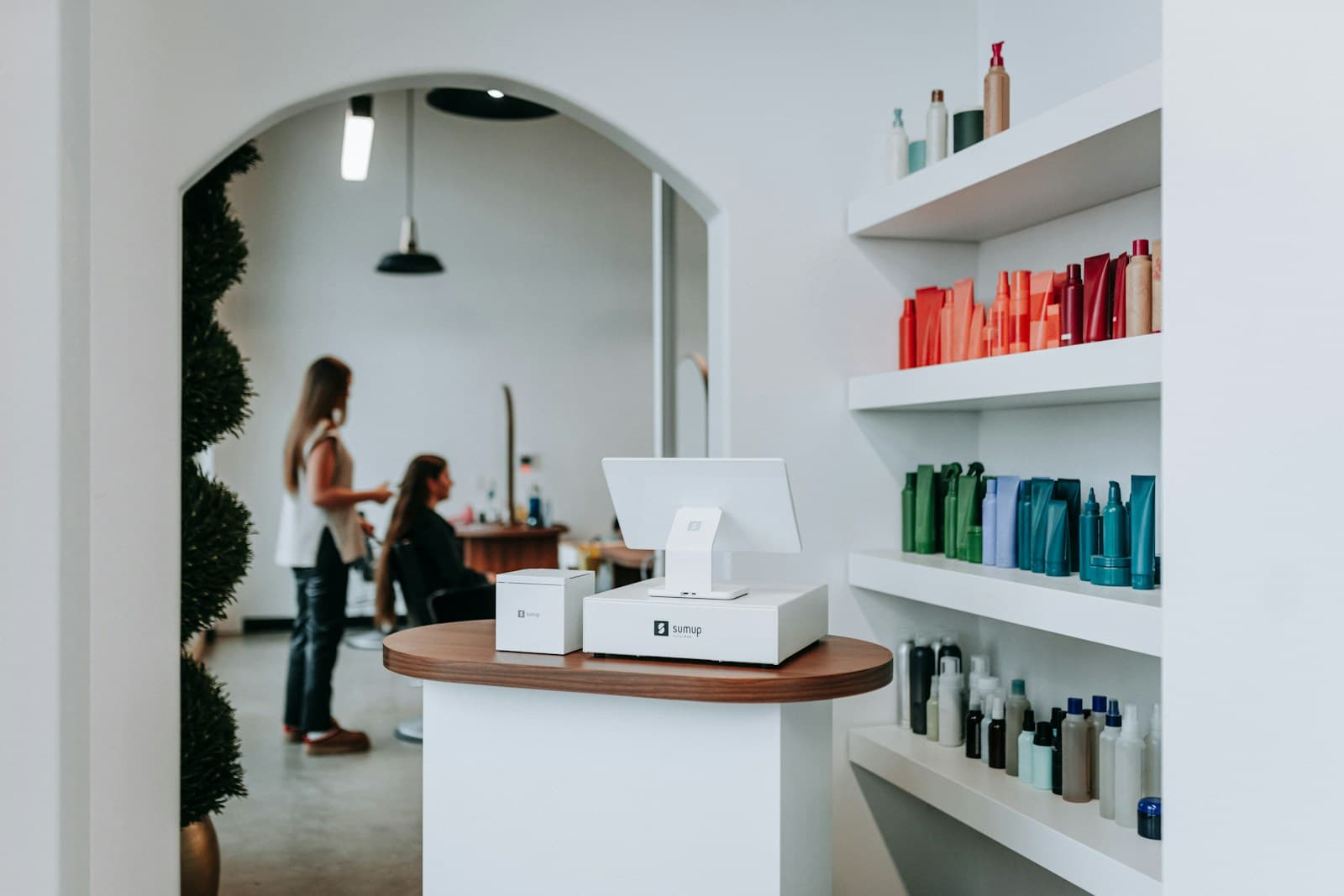
Beauty Studio Local SEO: Rank for 'Facial Near Me' When Clients Are Ready to Invest
GBP optimization and treatment-specific landing pages that capture high-intent beauty searches at peak decision moments.